Questions
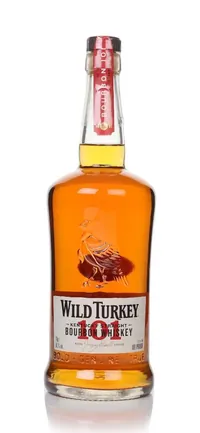
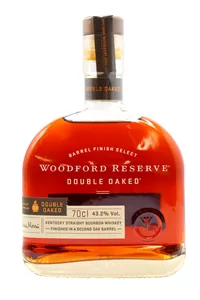
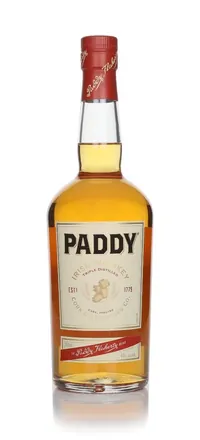
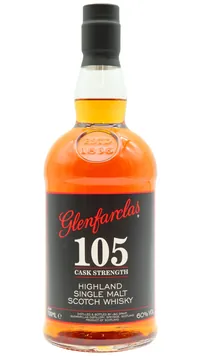
What is the cheapest no age statement whisky?
How much does no age statement whisky cost?
What does the age on a whisky label mean?
It is the age of the youngest whisky in the bottle. Labelling regulations tie an age statement strictly to the youngest component, so a 12-year-old can contain older whisky but nothing younger than 12 years.
Can a whisky label list the ages of every whisky inside?
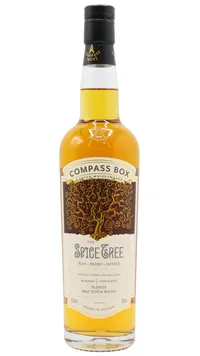
Not in the UK. Under the spirit drinks rules applied by the Scotch Whisky Regulations, an age may only be given where it refers to the youngest whisky in the bottle. The blender Compass Box ran into this rule when it published the ages of the components in one of its blends.
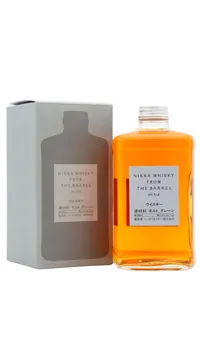
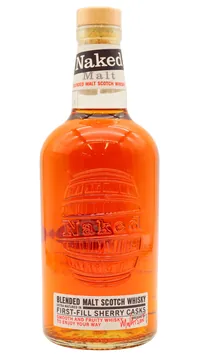
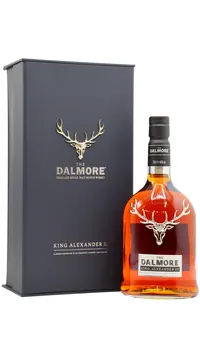
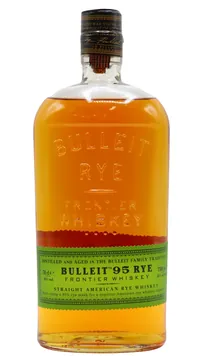
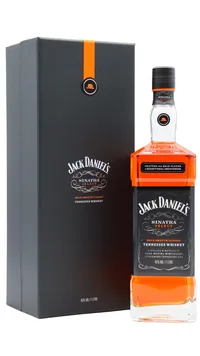
What does no age statement (NAS) mean?
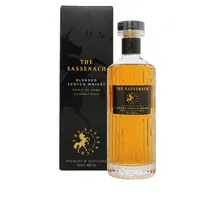
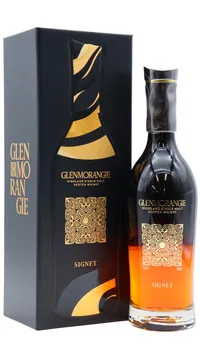
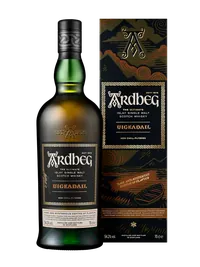
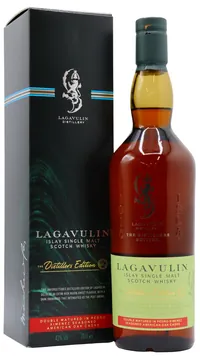
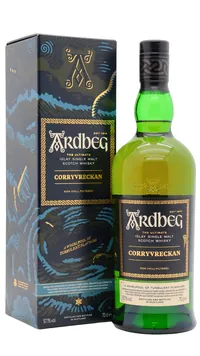
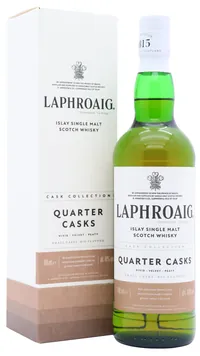
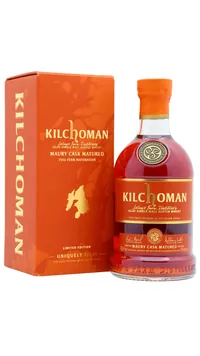
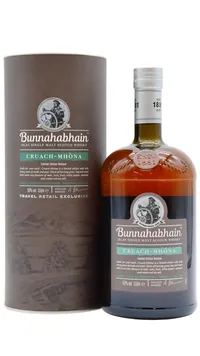
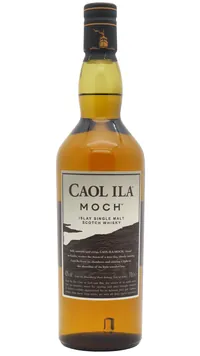
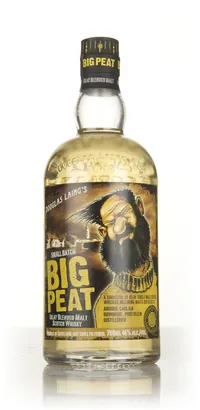
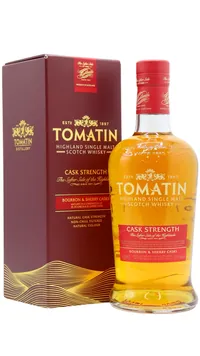
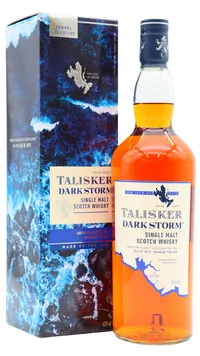
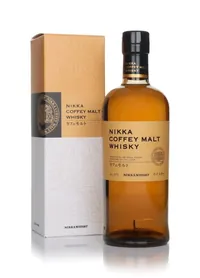
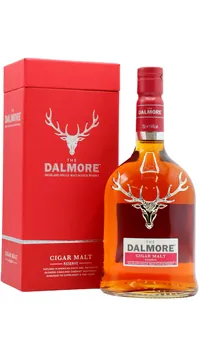
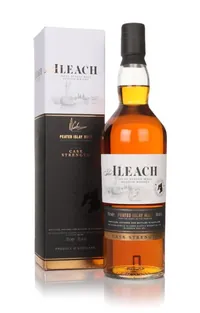
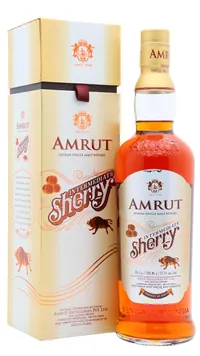
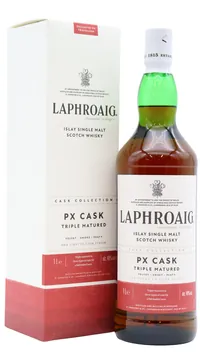
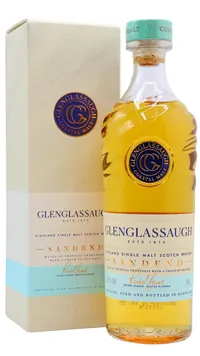
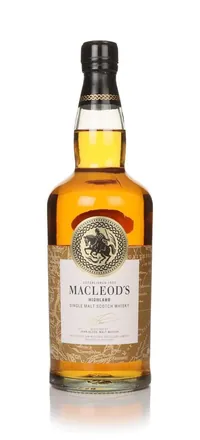
The label gives no age. Because an age statement must give the age of the youngest whisky, many distillers leave it off and use a name instead, such as Talisker Storm or Laphroaig PX Cask.
How old is a whisky with no age statement?
Scotch must be at least three years old, so any NAS Scotch is at least that. In the US, whiskey under 4 years must state its age, so an American whiskey with no age statement is at least 4 years old.
Why have no-age-statement whiskies become common?
Rising demand left distillers short of aged stock, and a young age statement could hurt sales. Leaving the age off lets them use younger whisky in a recipe, and they promote these releases as flavour-led.