
Balvenie 12 Year Old DoubleWood
12 years · 40.0% ABV · 70cl
from £50.28 5 retailers
£55.23 delivered
Save up to £3.72
Compare pricesBalvenie is William Grant & Sons’ Speyside distillery in Dufftown, and its range is built around cask finishes. This page lists every Balvenie we track, from the 12 Year Old DoubleWood and 14 Year Old Caribbean Cask to the PortWood 21 Year Old, with the best current UK price for each.
Balvenie is mostly unpeated; The Week of Peat, from a single week of peated production each year, is the exception. The DoubleWood 12 is widely stocked, so its price spread tends to be narrow, while older and less common bottlings vary more. The distillery keeps its own floor maltings, which supply part of its malt.
For the distillery’s history, see Whiskipedia on Balvenie. Prices are the best current in-stock offer from the UK retailers we check (how we compare prices).
20 full-size bottles (50cl to 1 litre) in stock, plus 2 smaller bottles under 50cl, with the best current price from the UK retailers we check.
The flavour families that most often turn up for Balvenie, based on its available bottles.
A guide to the house style rather than a promise: individual releases can differ.
12 years · 40.0% ABV · 70cl
from £50.28 5 retailers
£55.23 delivered
Save up to £3.72
Compare prices
12 years · 47.5% ABV · 70cl
from £84.90 5 retailers
£89.40 delivered
Save up to £5.10
Compare prices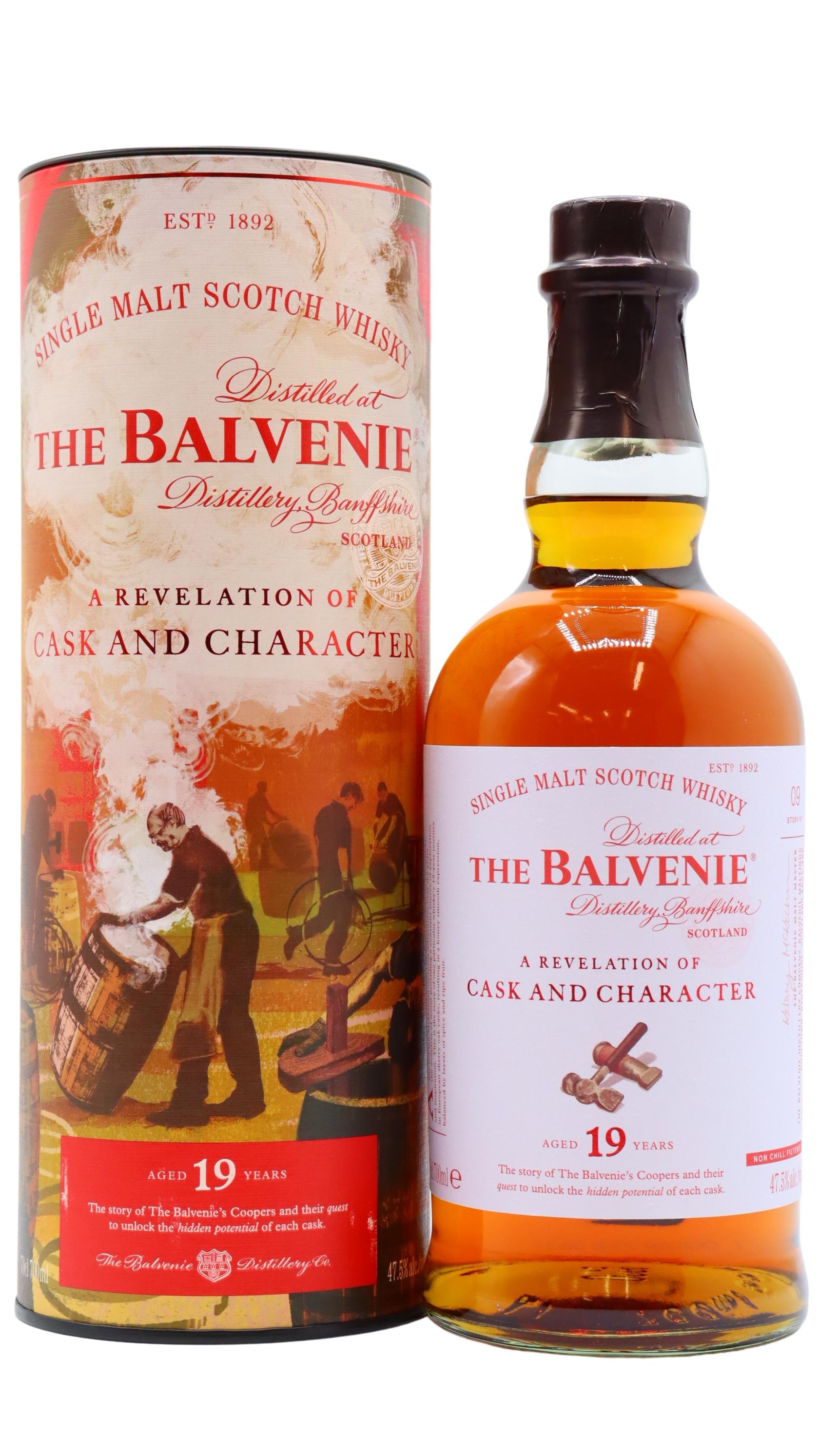
19 years · 47.5% ABV · 70cl
from £260.00 2 retailers
£260.00 delivered
Save up to £48.95
Compare prices
12 years · 43.0% ABV · 20cl
from £20.95 2 retailers
£25.90 delivered
Save up to £1.04
Compare prices
12 years · 43.0% ABV · 70cl
from £77.95 2 retailers
£82.90 delivered
Save up to £7.00
Compare prices
15 years · 70cl
from £134.95 2 retailers
£134.95 delivered
Save up to £15.55
Compare prices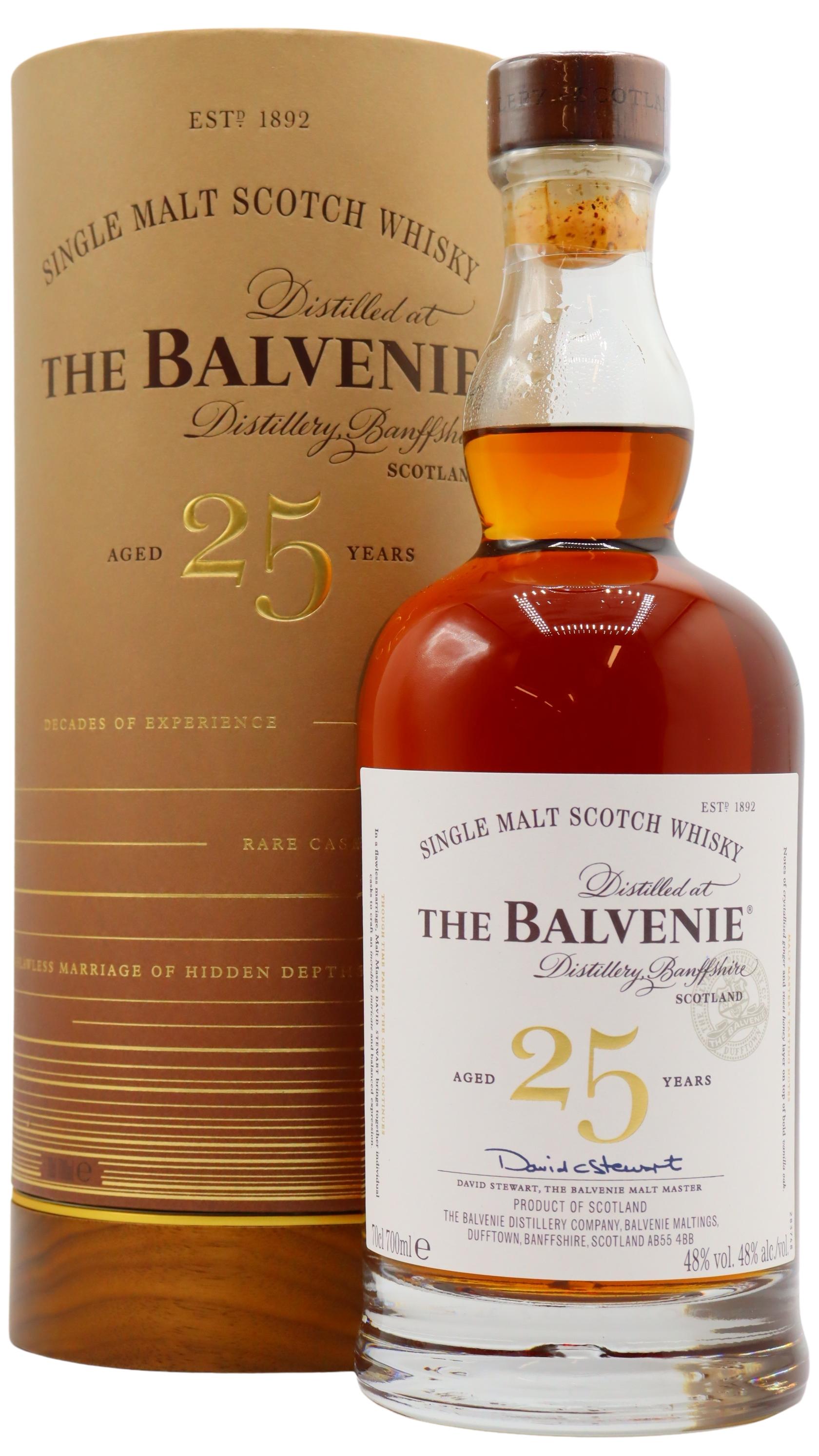
25 years · 48.0% ABV · 70cl
from £586.95 2 retailers
£586.95 delivered
Save up to £48.00
Compare prices
30 years · 70cl
from £3,192.95 2 retailers
£3,192.95 delivered
Save up to £307.00
Compare prices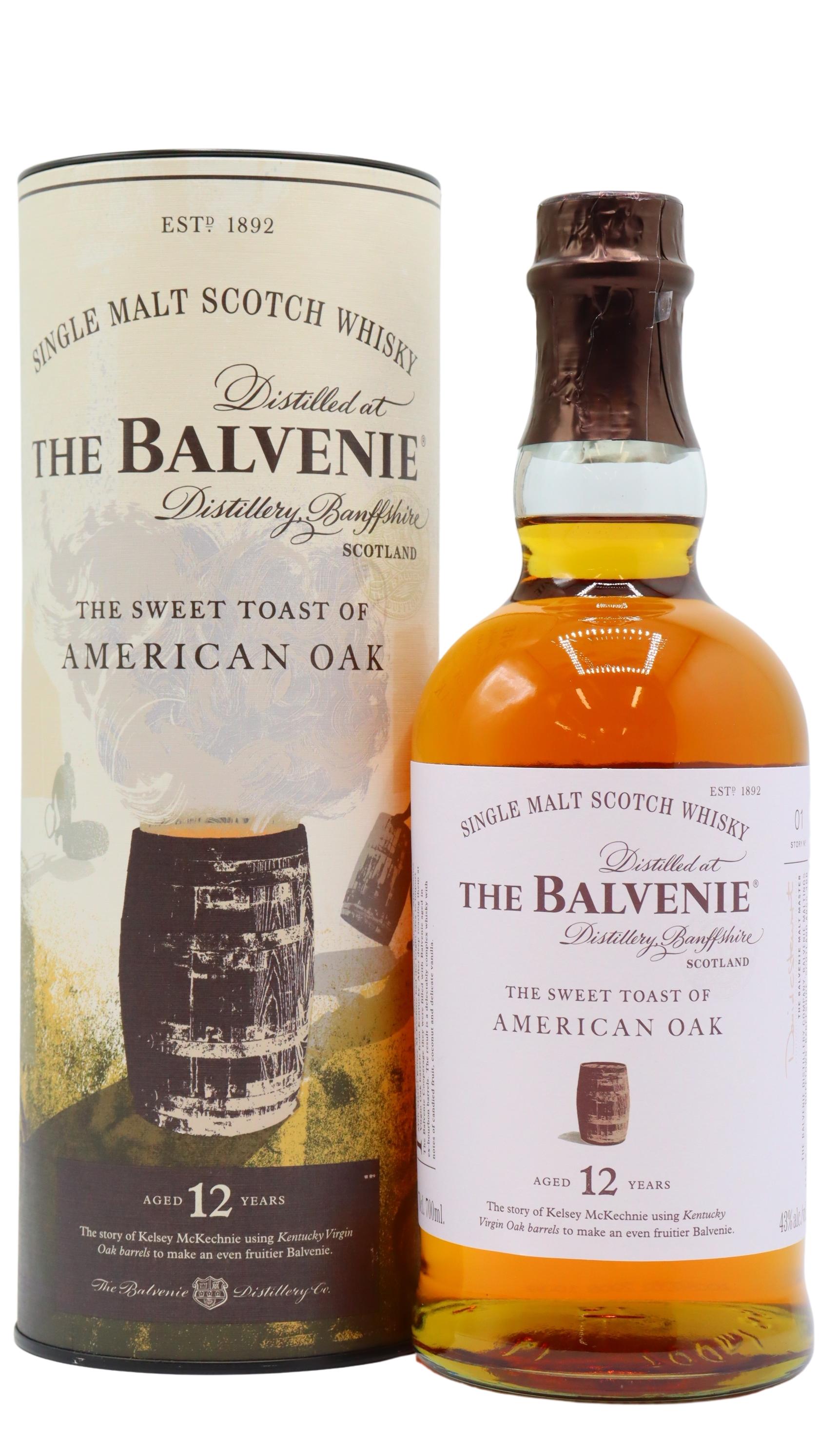
12 years · 43.0% ABV · 70cl
from £49.00 5 retailers
£53.99 delivered
Save up to £5.95
Compare prices
14 years · 43.0% ABV · 70cl
from £66.95 4 retailers
£71.90 delivered
Save up to £4.05
Compare prices
14 years · 48.3% ABV · 70cl
from £80.50 4 retailers
£85.45 delivered
Save up to £11.50
Compare prices
16 years · 70cl
from £133.50 2 retailers
£133.50 delivered
Save up to £16.45
Compare prices
21 years · 40.0% ABV · 70cl
from £220.00 4 retailers
£220.00 delivered
Save up to £24.95
Compare prices
40 years · 48.5% ABV · 70cl
from £5,200.00 2 retailers
£5,200.00 delivered
Save up to £1,938.50
Compare prices
12 years · 5cl
from £6.95 1 retailer
Compare prices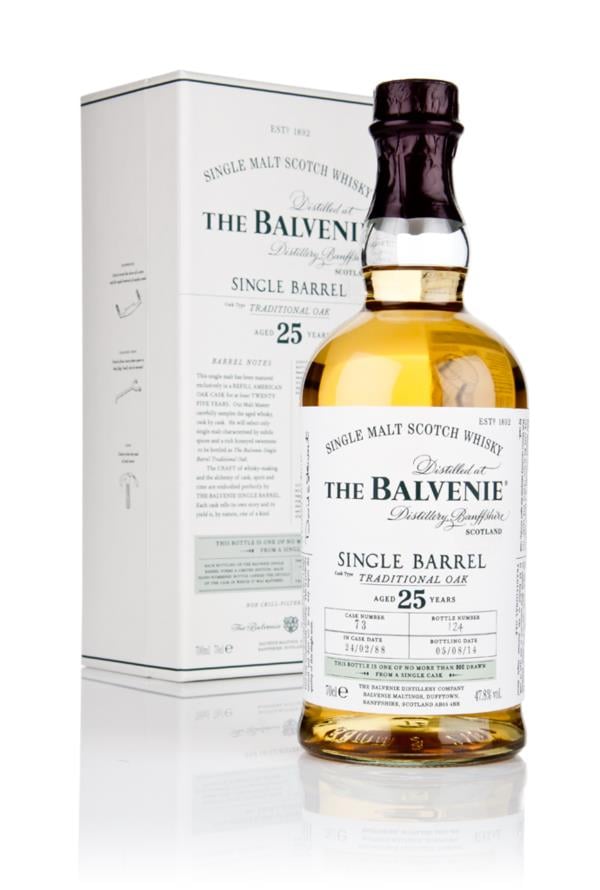
25 years · 47.8% ABV · 70cl
from £999.00 1 retailer
£999.00 delivered
Compare prices
26 years · 47.8% ABV · 70cl
from £1,194.95 1 retailer
£1,194.95 delivered
Compare prices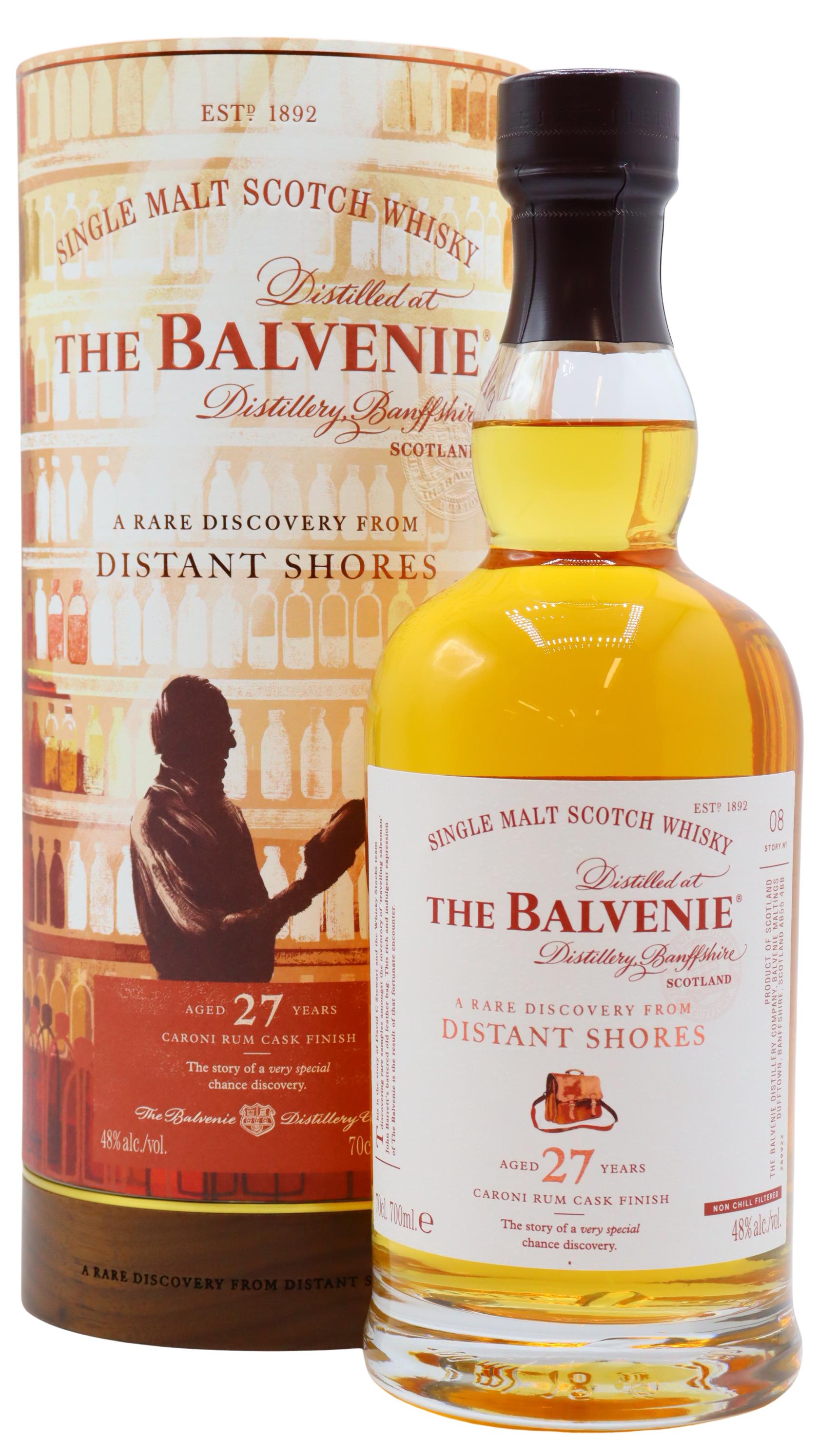
27 years · 48.0% ABV · 70cl
from £1,316.95 1 retailer
£1,316.95 delivered
Compare prices
18 years · 70cl
from £199.95 1 retailer
£199.95 delivered
Compare prices
70cl
from £71.95 1 retailer
£77.90 delivered
Compare prices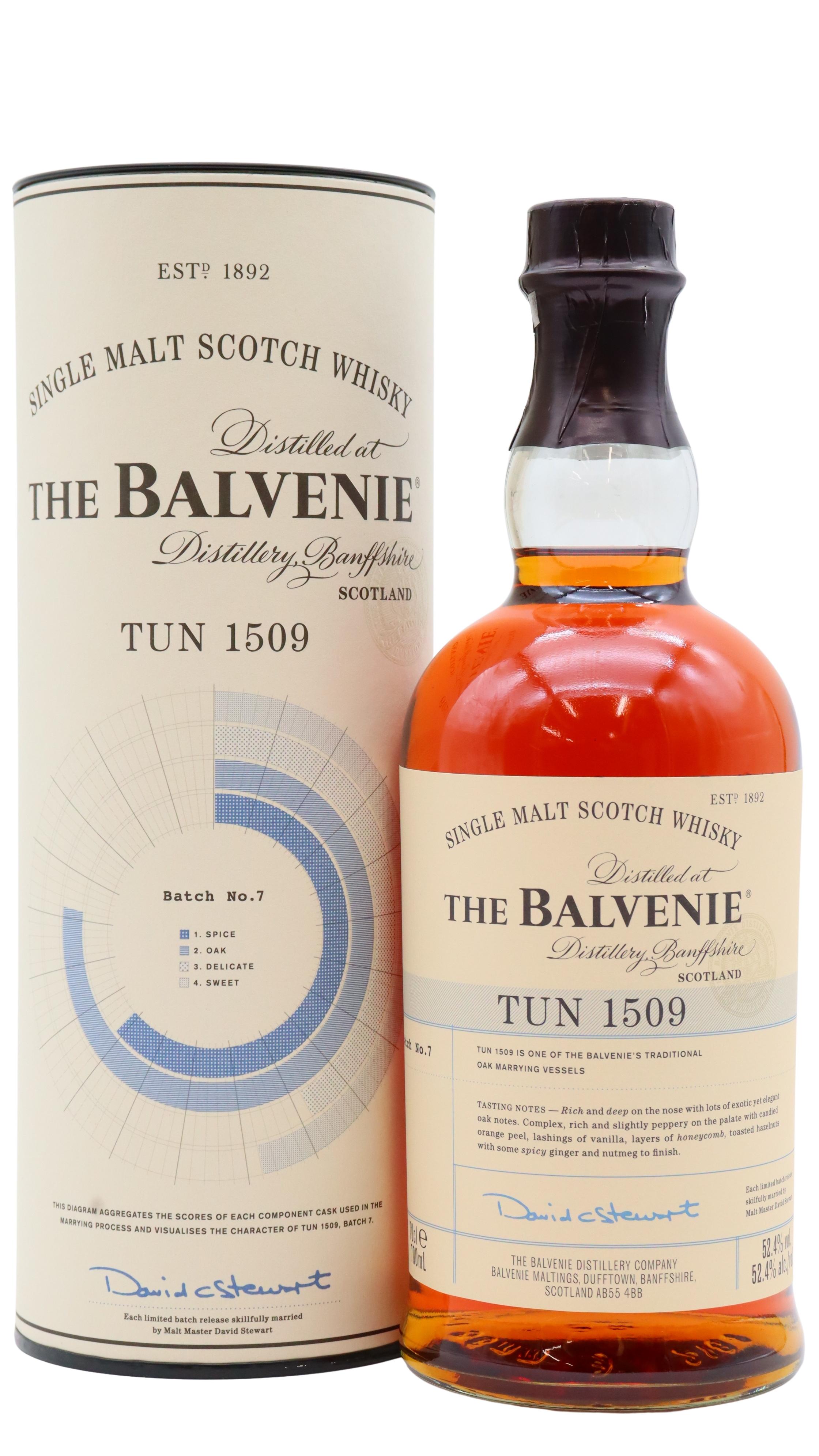
52.4% ABV · 70cl
from £499.95 1 retailer
£499.95 delivered
Compare prices
52.2% ABV · 70cl
from £499.95 1 retailer
£499.95 delivered
Compare pricesNames used when Balvenie whisky is bottled without the distillery's name. These bottles are listed separately from Balvenie's own.
Widely reported to be teaspooned Balvenie. Source