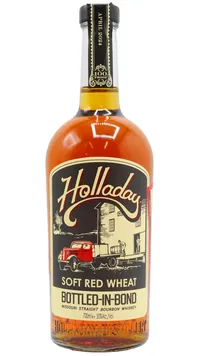
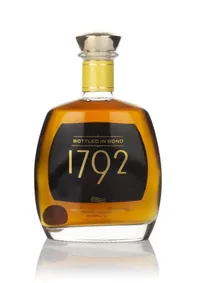
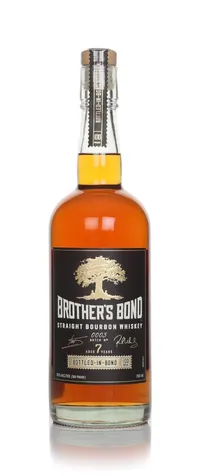
Bottled in bond whiskey

Bottled in bond whiskey covers American whiskey labelled ‘bottled in bond’, a US legal term with fixed rules on season, age and strength. Under 27 CFR 5.88, the spirit must be distilled by one distiller at a single distillery in a single distilling season, stored for at least 4 years in wooden containers, reduced only with water and bottled at exactly 50% ABV (100 proof).

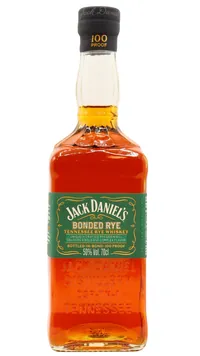
The label must name the distillery that made the whiskey and, where different, the plant that bottled it. Bonded releases are most often Kentucky straight bourbon or rye, alongside bonded Tennessee whiskey from producers such as Jack Daniel’s.

For how American whiskey standards compare, see our guide to bourbon. Prices are the best current in-stock offer from the UK retailers we check (how we compare prices).
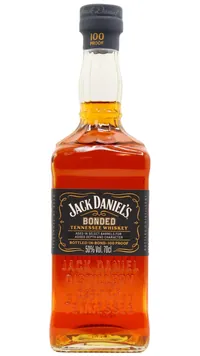
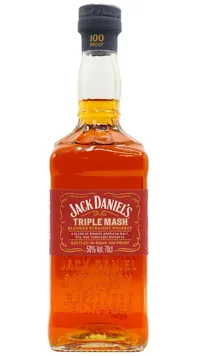
14 bottles in stock. How we count

Questions

What is the cheapest bottled in bond whiskey?

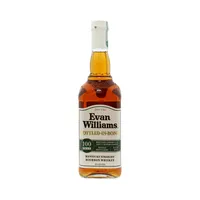
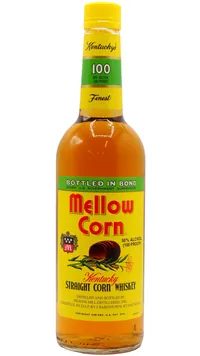
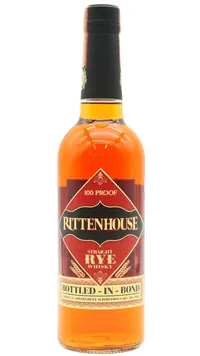
The cheapest bottled in bond whiskey is Mellow Corn (50% ABV, 70cl), at £29.50 from Master of Malt. That is £34.45 delivered to the UK mainland for one bottle. Next cheapest: Rittenhouse Rye ‘Bottled in Bond’ 100 Proof (£35.90) and Evan Williams White Label BIB Bourbon 50% 70cl (£36.00).

How much does bottled in bond whiskey cost?

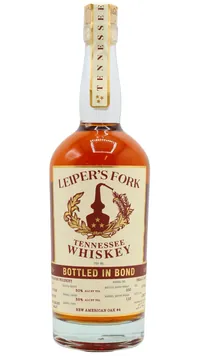
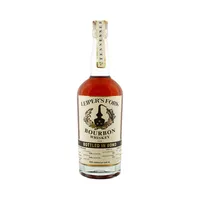
Bottled in bond whiskey costs from £29.50 to £76.95, with a median of £50.00 for a full-size bottle (50cl to 1 litre). The dearest is Leiper’s Fork Bourbon Whiskey Bottled In Bond.

What is the oldest bottled in bond whiskey you can buy?

What does bottled in bond mean?

Under US rules, the spirit must be made in one distilling season by one distiller at one distillery, stored for at least 4 years in wooden containers, and bottled at 100 proof (50% ABV). Nothing may be added except water to reduce the strength, and US labels must name the distillery and give its plant number.

Why was the Bottled-in-Bond Act passed?

The 1897 Act responded to widespread adulteration of American whiskey by making the federal government guarantee a spirit’s authenticity. Distillers stored whiskey in government-supervised bonded warehouses and could delay paying excise tax until it was ready. Colonel Edmund Haynes Taylor Jr. and Treasury Secretary John G. Carlisle backed it.

What is a distilling season?

US rules split the year into two distilling seasons: spring, from 1 January to 30 June, and autumn (fall), from 1 July to 31 December. A bottled-in-bond spirit must come from just one of them.

Why don't bottled-in-bond whiskeys need an age statement?

US whiskey younger than 4 years must state its age, but bottled-in-bond whiskey is exempt because it must already be at least 4 years old.

Can whisky from outside the US be bottled in bond?

Only if the producing country’s own laws authorise bottling in bond and allow it to be labelled that way. It must still meet the US requirements, and the words “bottled in bond” must be followed by the name of that country.

Why are bottled in bond whiskeys 50% ABV?

Because the law fixes it. Under 27 CFR 5.88, any spirit labelled ‘bottled in bond’ must be bottled at exactly 100 US proof, which is 50% alcohol by volume. The fixed strength was part of the original federal guarantee: every bonded bottle met the same published standard, whatever the distillery.

Does bottled in bond guarantee a single barrel?

No. A bottled-in-bond whiskey must come from a single distillery and a single six-month distilling season, but the distiller may marry several qualifying barrels from that season. A single-barrel bottling is labelled separately, when the whiskey in the bottle comes from one individual cask.