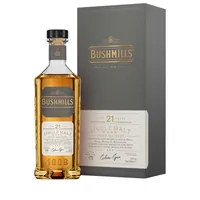
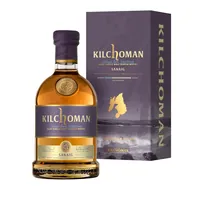
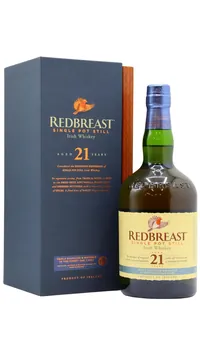
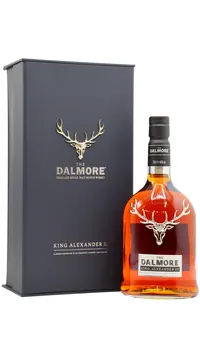
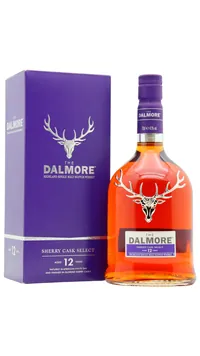
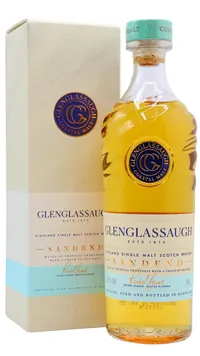
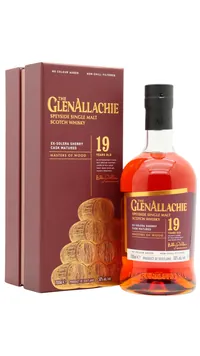
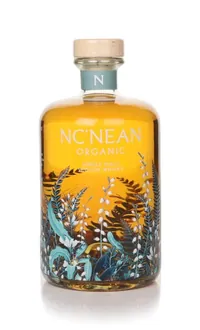
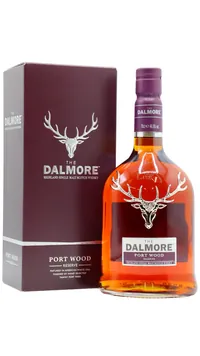
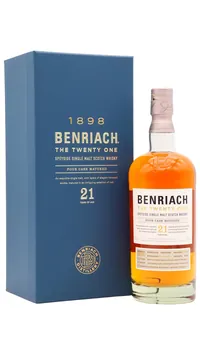
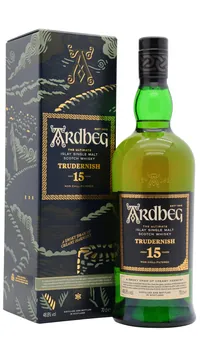
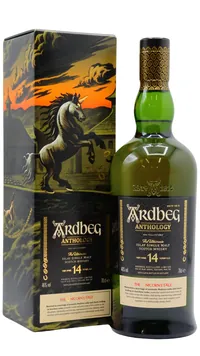
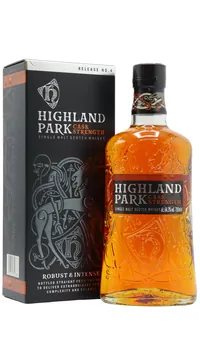
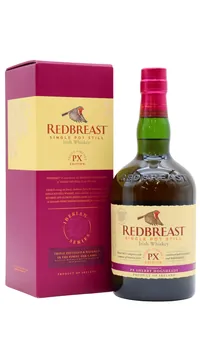
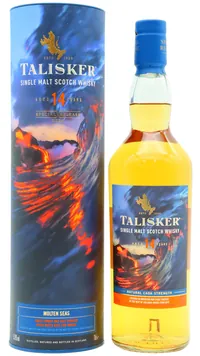
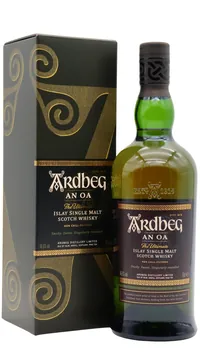
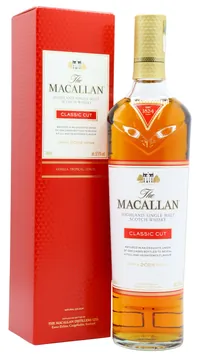
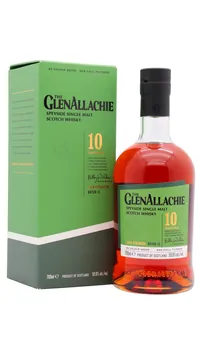
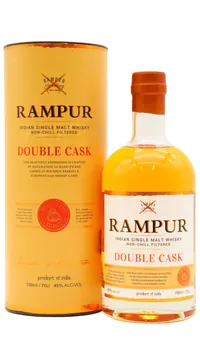
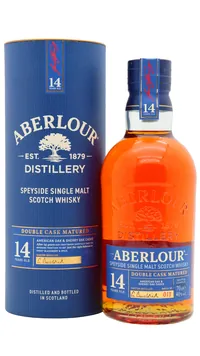
Whisky from multiple cask types

Whisky from multiple cask types covers whisky whose label or description names more than one cask type: a vatting of whisky from different casks, or a whisky moved from one cask type to another for a finish. Terms like “double cask”, “triple cask” or “three wood” are descriptions chosen by distillers rather than legal classifications under the Scotch Whisky Regulations 2009.

Distillers combine casks in two main ways. Some mature the whisky in standard ex-bourbon barrels before moving it into seasoned sherry, port or wine casks for a cask finish. Others mature separate parcels in different cask types for the whole of their maturation and marry them before bottling. Bottles here often overlap with the single-type pages, such as sherry cask or bourbon cask whisky.

For how the oak and the cask’s previous contents shape the spirit, see the three stages of maturation in our maturation guide. Prices are the best current in-stock offer from the UK retailers we check (how we compare prices).
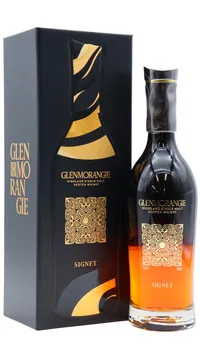
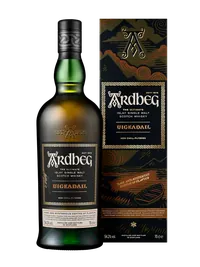
151 bottles in stock, plus 4 under 50cl. How we count

Questions

What is the cheapest whisky from multiple cask types?

The cheapest whisky from multiple cask types is Tullamore DEW (40% ABV, 70cl), at £24.09 from Master of Malt. That is £29.04 delivered to the UK mainland for one bottle. Next cheapest: Slane Irish Whiskey (£24.60) and Speyburn 10 Year Old (£25.00).
How much does whisky from multiple cask types cost?

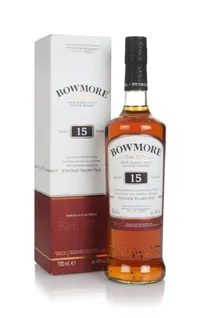
Whisky from multiple cask types costs from £24.09 to £3,400.00, with a median of £64.00 for a full-size bottle (50cl to 1 litre). The dearest is Macallan 30 Year Old Double Cask 2023 Release Speyside Single Malt Scotch Whisky 70cl.
What is the oldest whisky from multiple cask types you can buy?

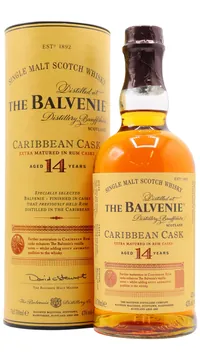
Rosebank 31 Year Old, at 31 years old, from £1,750.00.

How is the age worked out for a finished or multi-cask whisky?

The age statement covers the whole maturation, including any time in a finishing cask, and must be that of the youngest whisky in the bottle. Under the Scotch Whisky Regulations 2009 any age or maturation period on a Scotch label must be stated in years.

How long, and in what, must Scotch be matured?

Scotch must be matured in Scotland for at least three years, only in oak casks of no more than 700 litres, in an excise warehouse or other permitted place. Nothing may be added except water and plain caramel colouring. Many Scotch whiskies are matured far longer, commonly five to 18 years or more.

Does cask size change how fast whisky matures?

Yes. A smaller cask has more wood surface for each litre of spirit, so it gives flavour faster, while a large cask such as a 500-litre butt matures whisky more slowly and suits long maturation. That is why small casks such as octaves are mostly used for short periods or finishing.

What is a multi-cask whisky?

A multi-cask whisky has matured in more than one type of cask. It can be done in sequence, with a finish in a second or even third cask, or in parallel, where portions mature in different casks, such as ex-bourbon and oloroso, and are then married together. Whiskies from different casks are often blended or vatted together before bottling.

What does 'double cask' mean on a whisky label?

It is a producer’s description rather than a statutory category. Distillers use ‘double cask’ when a whisky draws on two cask types. That can mean marrying spirit matured separately in American oak and European oak sherry-seasoned casks, as Macallan does for Double Cask, or moving whisky from ex-bourbon barrels into sherry wood for a finish, as Balvenie does for DoubleWood.

Is a multiple cask whisky the same as a cask finish?

Not necessarily. A cask finish moves a matured whisky into a different cask type for a final period of months or years before bottling. Other multi-cask whiskies marry parcels that spent their whole maturation in separate cask types, such as full-term bourbon and full-term sherry casks combined in one vatting. A bottle can be both.