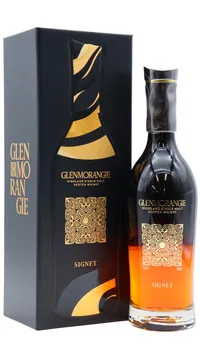
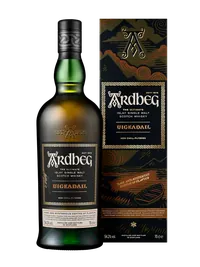
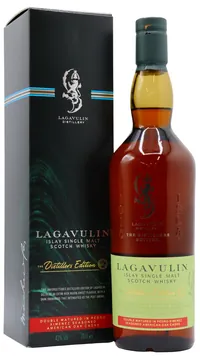
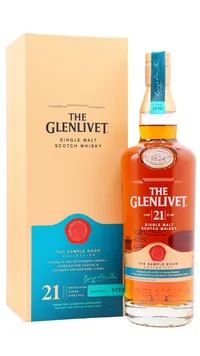
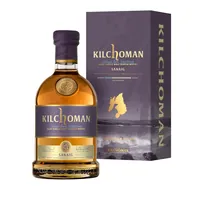
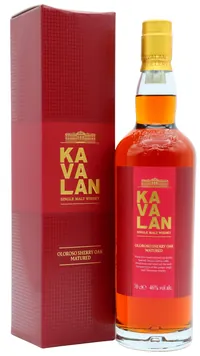
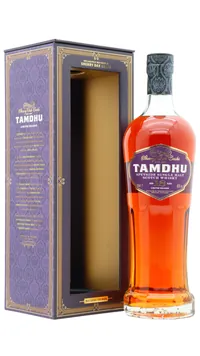
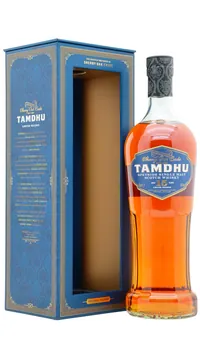
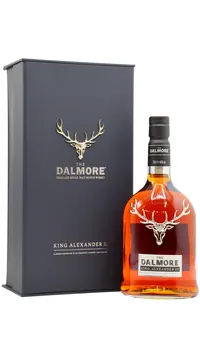
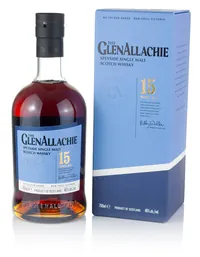
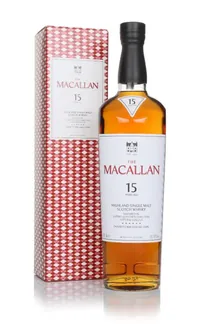
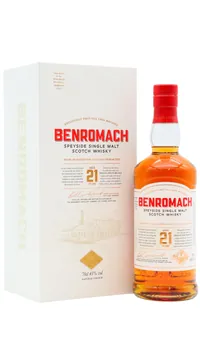
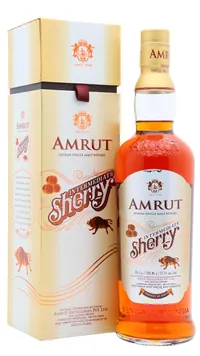
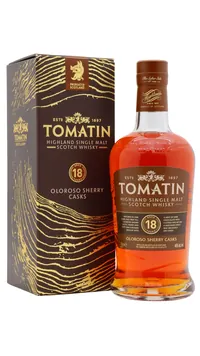
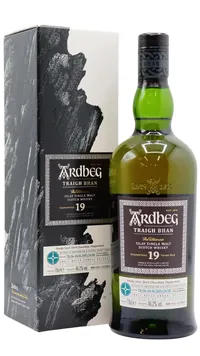
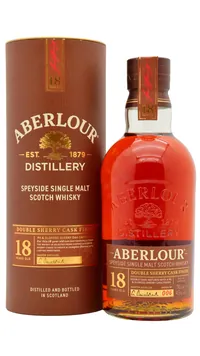
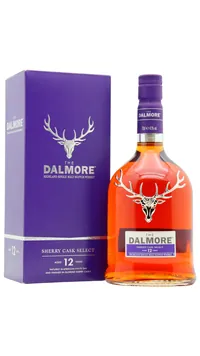
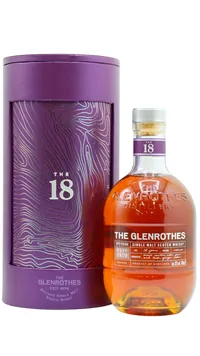
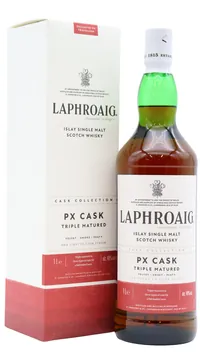
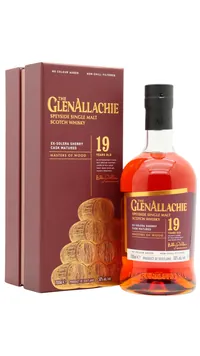
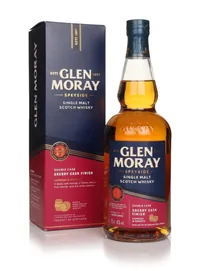
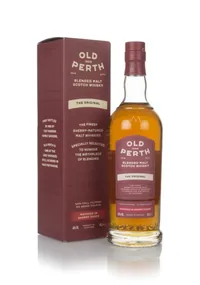
Several distilleries build their style around sherry casks, including Macallan,
GlenDronach and Tamdhu, which matures in oloroso casks. Where the label names the
sherry, you can narrow the list to oloroso or
Pedro Ximénez casks. For how sherry casks are coopered,
seasoned in Jerez, and used in Scotch, see our guide to sherry casks.
We tag a bottle when its name or a retailer’s description mentions sherry, so a
sherry-matured bottle that does not say so may be missing.
Choose a sherry cask
The sherry named on a bottle gives you a starting point, not a guarantee of
flavour. Oloroso is dry and often associated with nuts and
dried fruit; Pedro Ximénez (PX) is a sweet wine often
associated with raisin and fig. Fino and
Manzanilla are pale, dry styles aged under flor yeast.
Amontillado and palo cortado
also spend time ageing in contact with air. The spirit, oak and time in cask
all affect the result.
Read the maturation label
A named sherry does not tell you whether it was the only cask used. For
example, Kilchoman Fino Sherry Cask Matured
was matured in fino casks, while GlenAllachie 9 Year Old
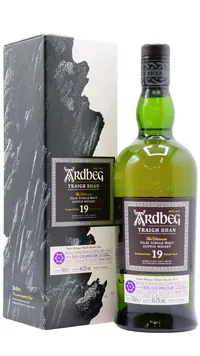
had an amontillado finish after its initial maturation. Ardbeg An Oa combines
PX casks with other cask types. Check each bottle’s details when comparing the
influence you want. For recommendations, see our
best sherry-cask whiskies guide.
Sherry cask bottles also cost more on the secondary market. Across 364,677 sold lots with a
recorded cask type at Scotch Whisky Auctions, a typical sherry cask lot fetched about one and a half times a
bourbon cask lot of the same age; the sherry cask auction premium
breaks that down by age and bottler.