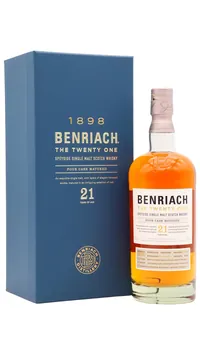
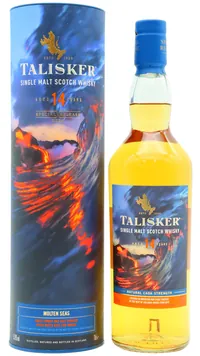
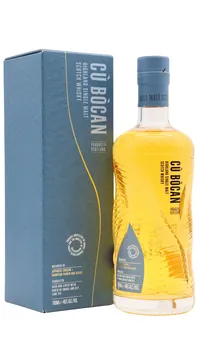
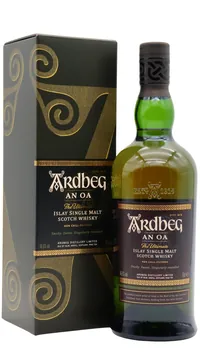
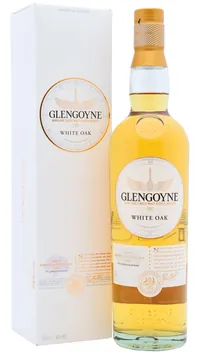
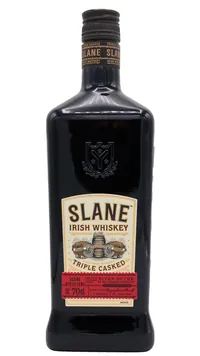
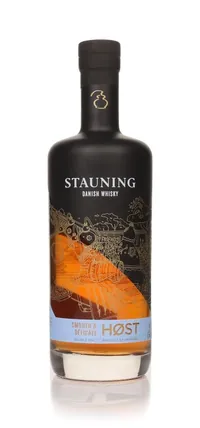
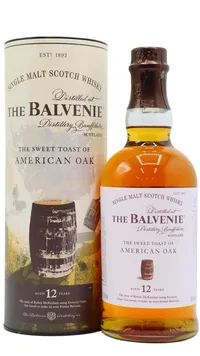
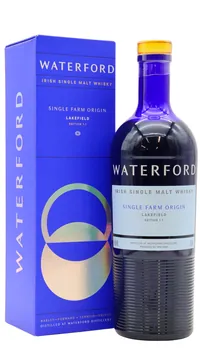
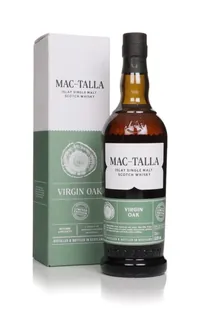
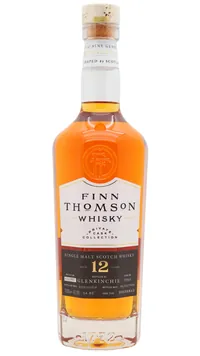
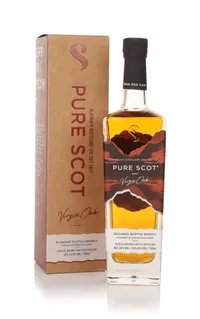
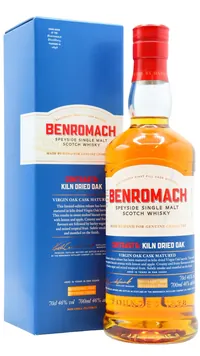
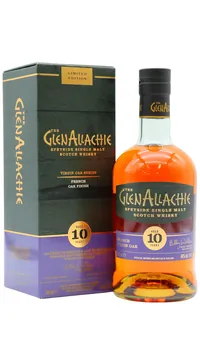
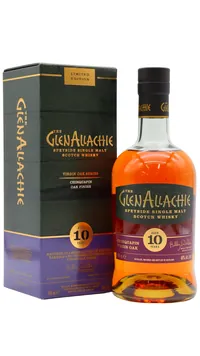
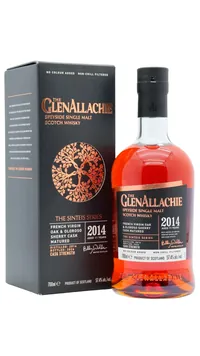
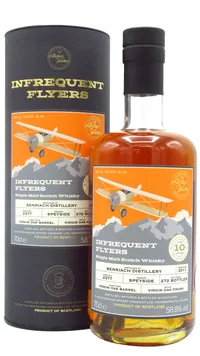
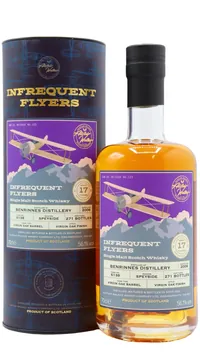
Virgin oak is new oak that has not previously held another drink. A whisky
may spend all or only part of its maturation in a new oak cask. New wood can
contribute vanilla and spice; the result depends on the wood, cask preparation
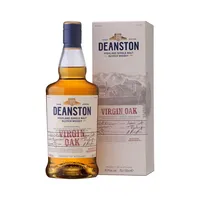
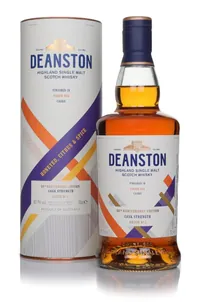
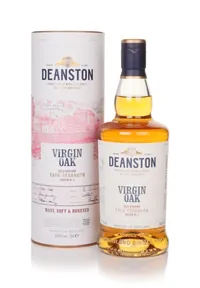
and time spent in it. Deanston Virgin Oak
is one example finished in new oak after an earlier maturation period.
The Scotch Whisky Regulations require Scotch whisky to mature only in oak casks of no more than 700 litres. The Scotch Whisky Association’s guidance says new oak is allowed and explains the conditions for previously used casks.
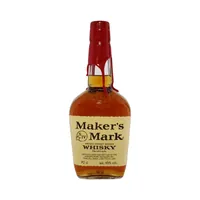
US rules require bourbon to be stored in
charred new oak containers.
Once emptied, bourbon casks may be reused to mature other whiskies; see
bourbon casks.
Our category relies on available cask data and tags derived from names and
descriptions. It can include whiskies made using a mix of casks and can miss
bottles where the use of new oak is not recorded. Bourbon is not automatically
included just because its standard requires new oak. See how we compare prices
for how offers are selected.