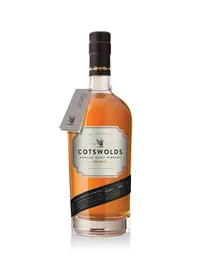
Cotswolds Single Malt Whisky
46.0% ABV · 70cl
from £45.50 shelf price from £50.45 delivered to a UK mainland address 3 retailers
£50.45 delivered
£45.50 shelf price
Price gap up to £11.50
Delivered price gap up to £11.54
Compare pricesEnglish whisky is a young category, and most releases carry no age statement. The bottles here come from distilleries such as The Lakes, Cotswolds and White Peak, whose whisky is sold as Wire Works, all founded between 2014 and 2018, alongside The One, The Lakes Distillery’s blended whisky.
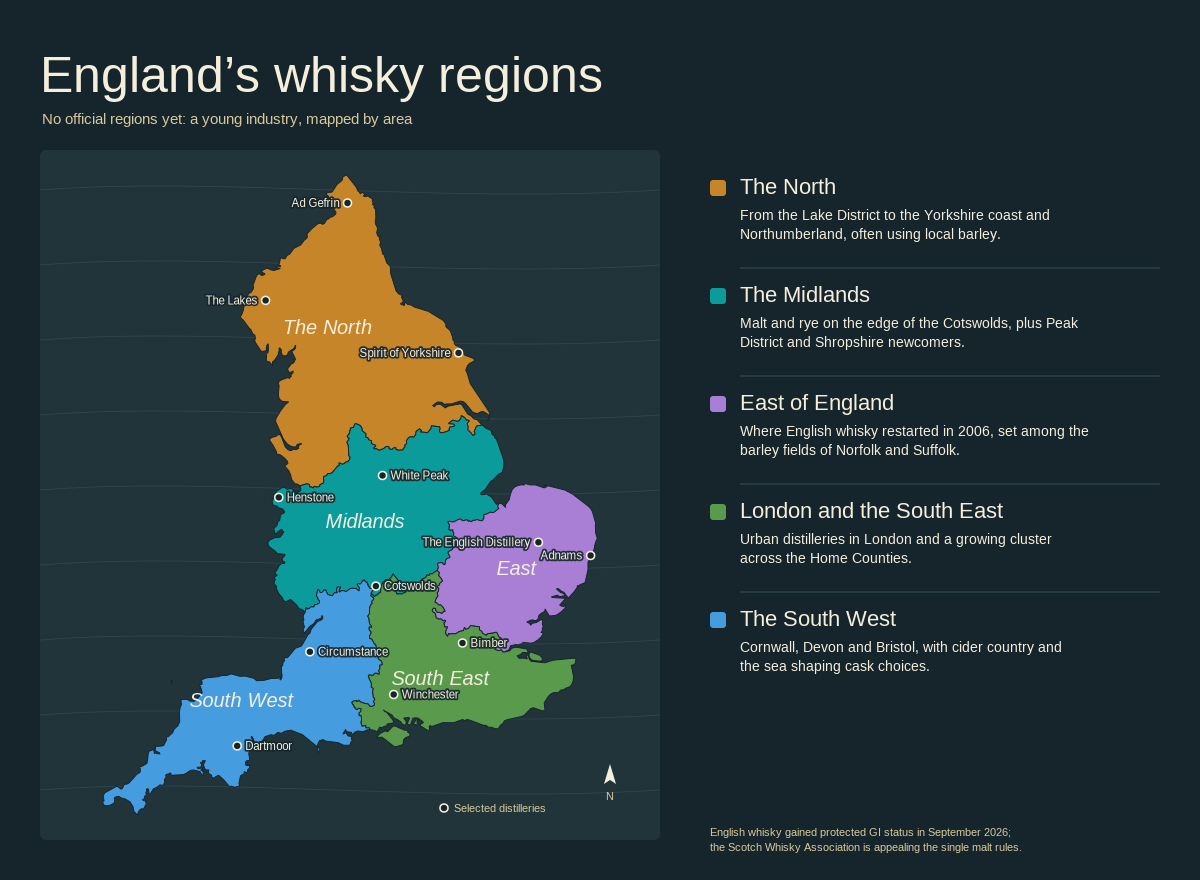
To browse by region, The Lakes and Spirit of Yorkshire’s Filey Bay are in the North, Cotswolds and White Peak in the Midlands, The English Distillery in Norfolk in the East of England, and Bimber in London in the South East.
Since 1 October 2026, ‘English Whisky’ has been legally protected as a UK geographical indication, requiring spirit to be mashed, fermented, distilled and matured in England for at least three years in casks of no more than 700 litres. The Scotch Whisky Association appealed on 8 October 2026; on 12 November 2026 the UK register still listed the name as registered. Read more in whisky legal definitions.
For the distilleries behind the bottles, with a location map, see English whisky distilleries. For the full list of English distilleries, see Whiskipedia’s England distillery list, and for the craft behind them, Whiskipedia on craft whisky.
70 bottles in stock.
46.0% ABV · 70cl
from £45.50 shelf price from £50.45 delivered to a UK mainland address 3 retailers
£50.45 delivered
£45.50 shelf price
Price gap up to £11.50
Delivered price gap up to £11.54
Compare prices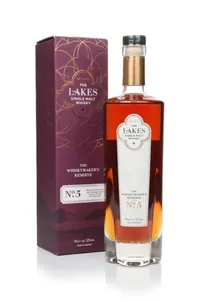
52.0% ABV · 70cl
World whisky
from £82.95 shelf price from £87.90 delivered to a UK mainland address 1 retailer
£87.90 delivered
£82.95 shelf price
Compare prices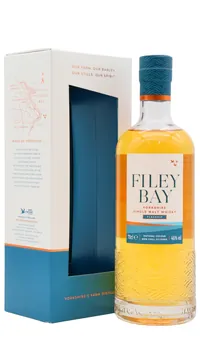
46.0% ABV · 70cl
from £54.95 shelf price from £60.90 delivered to a UK mainland address 3 retailers
£60.90 delivered
£54.95 shelf price
Price gap up to £7.05
Delivered price gap up to £6.09
Compare prices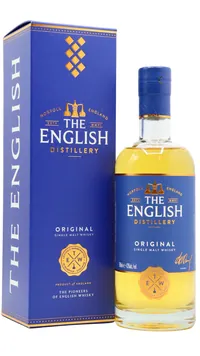
43.0% ABV · 70cl
from £49.90 shelf price from £54.85 delivered to a UK mainland address 2 retailers
£54.85 delivered
£49.90 shelf price
Price gap up to £2.05
Delivered price gap up to £3.05
Compare prices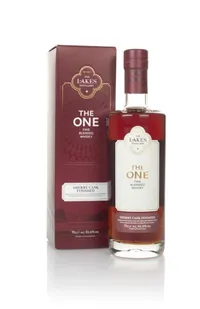
46.6% ABV · 70cl
from £34.20 shelf price from £39.15 delivered to a UK mainland address 1 retailer
£39.15 delivered
£34.20 shelf price
Compare prices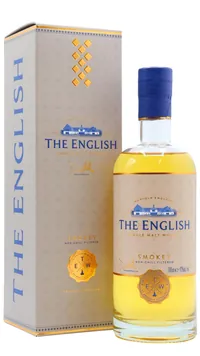
43.0% ABV · 70cl
from £45.50 shelf price from £50.45 delivered to a UK mainland address 2 retailers
£50.45 delivered
£45.50 shelf price
Price gap up to £8.45
Delivered price gap up to £9.45
Compare prices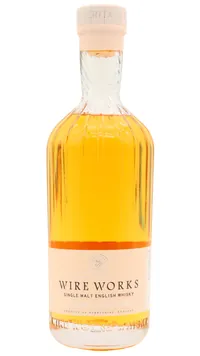
53.4% ABV · 70cl
from £54.50 shelf price from £59.45 delivered to a UK mainland address 4 retailers
£59.45 delivered
£54.50 shelf price
Price gap up to £10.50
Delivered price gap up to £11.45
Compare prices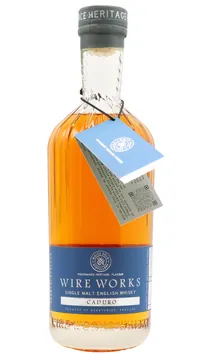
46.8% ABV · 70cl
from £58.90 shelf price from £63.40 delivered to a UK mainland address 4 retailers
£63.40 delivered
£58.90 shelf price
Price gap up to £8.10
Delivered price gap up to £8.59
Compare prices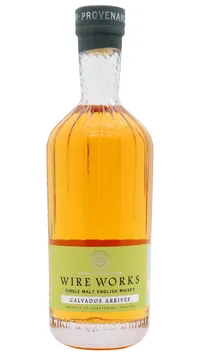
49.2% ABV · 70cl
from £64.95 shelf price from £69.90 delivered to a UK mainland address 4 retailers
£69.90 delivered
£64.95 shelf price
Price gap up to £6.05
Delivered price gap up to £6.09
Compare prices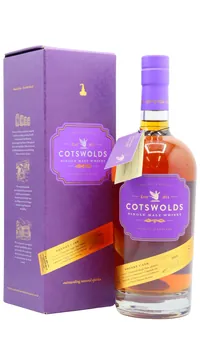
57.4% ABV · 70cl
from £69.25 shelf price from £74.20 delivered to a UK mainland address 4 retailers
£74.20 delivered
£69.25 shelf price
Price gap up to £11.75
Delivered price gap up to £11.79
Compare prices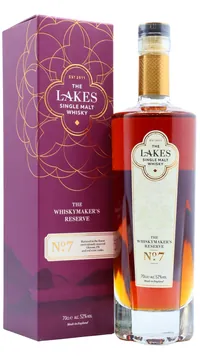
52.0% ABV · 70cl
from £79.04 shelf price from £83.99 delivered to a UK mainland address 4 retailers
£83.99 delivered
£79.04 shelf price
Price gap up to £14.96
Delivered price gap up to £15.00
Compare prices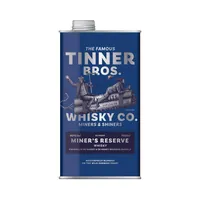
40.0% ABV · 70cl
from £31.23 shelf price from £36.18 delivered to a UK mainland address 3 retailers
£36.18 delivered
£31.23 shelf price
Price gap up to £7.77
Delivered price gap up to £7.81
Compare prices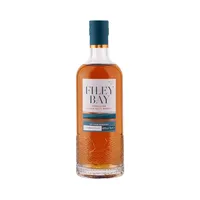
49.9% ABV · 70cl
from £90.00 shelf price from £94.95 delivered to a UK mainland address 3 retailers
£94.95 delivered
£90.00 shelf price
Delivered price gap up to £0.04
Compare prices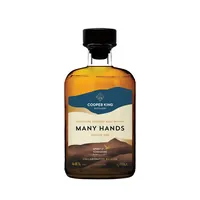
48.0% ABV · 70cl
from £91.95 shelf price from £96.90 delivered to a UK mainland address 3 retailers
£96.90 delivered
£91.95 shelf price
Price gap up to £3.05
Delivered price gap up to £3.09
Compare prices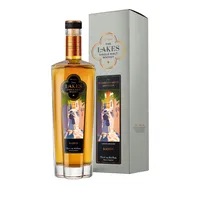
46.6% ABV · 70cl
from £99.00 shelf price from £103.99 delivered to a UK mainland address 3 retailers
£103.99 delivered
£99.00 shelf price
Price gap up to £51.00
Delivered price gap up to £46.01
Compare prices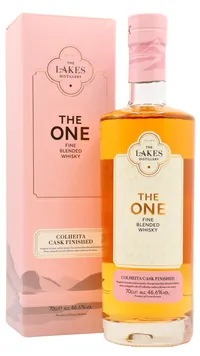
46.6% ABV · 70cl
from £34.20 shelf price from £39.15 delivered to a UK mainland address 2 retailers
£39.15 delivered
£34.20 shelf price
Price gap up to £4.75
Delivered price gap up to £5.75
Compare prices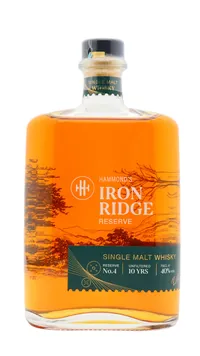
10 years · 70cl
from £39.28 shelf price from £44.23 delivered to a UK mainland address 2 retailers
£44.23 delivered
£39.28 shelf price
Price gap up to £10.67
Delivered price gap up to £11.67
Compare prices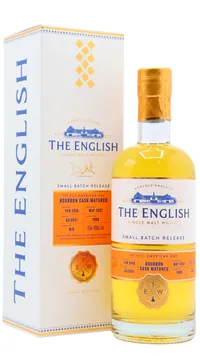
5 years · 70cl
from £49.50 shelf price from £54.45 delivered to a UK mainland address 2 retailers
£54.45 delivered
£49.50 shelf price
Price gap up to £8.45
Delivered price gap up to £9.45
Compare prices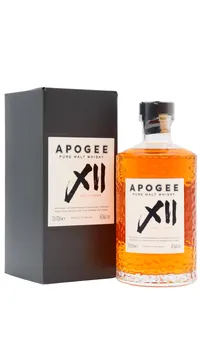
12 years · 46.3% ABV · 70cl
from £51.79 shelf price from £56.74 delivered to a UK mainland address 2 retailers
£56.74 delivered
£51.79 shelf price
Price gap up to £13.16
Delivered price gap up to £14.16
Compare prices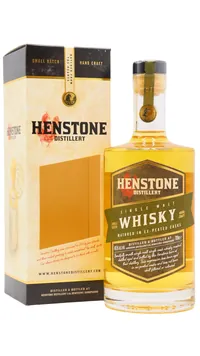
70cl
from £53.95 shelf price from £59.90 delivered to a UK mainland address 2 retailers
£59.90 delivered
£53.95 shelf price
Price gap up to £2.00
Delivered price gap up to £1.00
Compare prices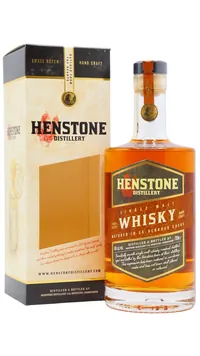
70cl
oloroso, sherry cask · Oloroso · Sherry cask
from £55.95 shelf price from £60.90 delivered to a UK mainland address 2 retailers
£60.90 delivered
£55.95 shelf price
Price gap up to £4.00
Delivered price gap up to £5.00
Compare prices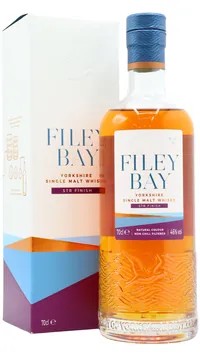
46.0% ABV · 70cl
from £56.00 shelf price from £60.50 delivered to a UK mainland address 2 retailers
£60.50 delivered
£56.00 shelf price
Compare prices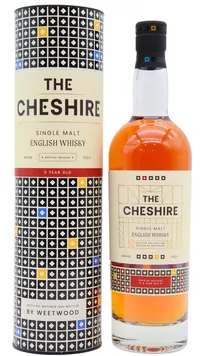
5 years · 70cl
from £58.95 shelf price from £63.90 delivered to a UK mainland address 2 retailers
£63.90 delivered
£58.95 shelf price
Price gap up to £1.00
Delivered price gap up to £2.00
Compare prices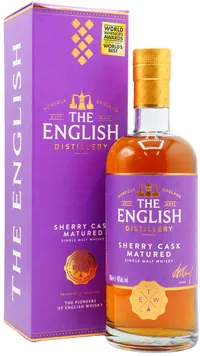
46.0% ABV · 70cl
from £58.95 shelf price from £63.90 delivered to a UK mainland address 2 retailers
£63.90 delivered
£58.95 shelf price
Price gap up to £6.00
Delivered price gap up to £7.00
Compare prices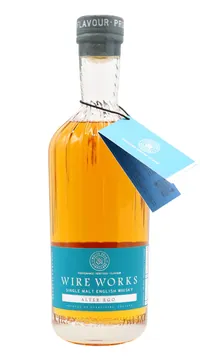
51.5% ABV · 70cl
from £60.00 shelf price from £64.50 delivered to a UK mainland address 2 retailers
£64.50 delivered
£60.00 shelf price
Price gap up to £29.95
Delivered price gap up to £31.40
Compare prices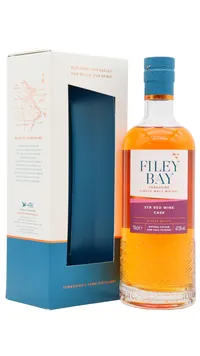
47.3% ABV · 70cl
wine cask · Wine cask
from £64.50 shelf price from £69.45 delivered to a UK mainland address 2 retailers
£69.45 delivered
£64.50 shelf price
Price gap up to £0.45
Delivered price gap up to £1.45
Compare prices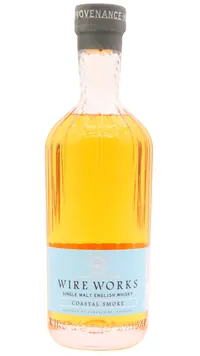
70cl
from £68.95 shelf price from £73.90 delivered to a UK mainland address 2 retailers
£73.90 delivered
£68.95 shelf price
Delivered price gap up to £1.00
Compare prices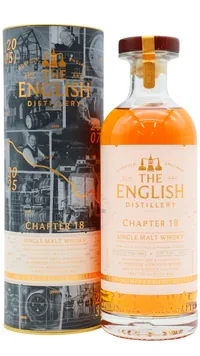
46.0% ABV · 70cl
from £70.64 shelf price from £75.59 delivered to a UK mainland address 2 retailers
£75.59 delivered
£70.64 shelf price
Price gap up to £9.31
Delivered price gap up to £10.31
Compare prices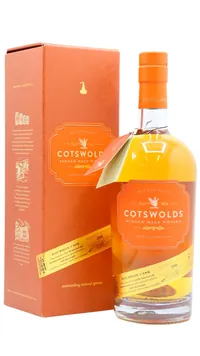
70cl
from £71.25 shelf price from £76.20 delivered to a UK mainland address 2 retailers
£76.20 delivered
£71.25 shelf price
Price gap up to £8.70
Delivered price gap up to £9.70
Compare prices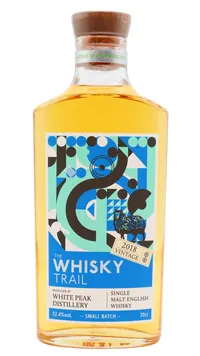
7 years · 52.4% ABV · 70cl
from £82.00 shelf price from £86.50 delivered to a UK mainland address 2 retailers
£86.50 delivered
£82.00 shelf price
Price gap up to £3.95
Delivered price gap up to £5.40
Compare prices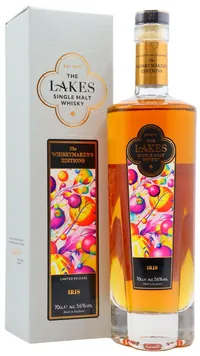
70cl
from £82.32 shelf price from £87.27 delivered to a UK mainland address 2 retailers
£87.27 delivered
£82.32 shelf price
Price gap up to £27.63
Delivered price gap up to £22.68
Compare prices
70cl
from £83.95 shelf price from £88.90 delivered to a UK mainland address 2 retailers
£88.90 delivered
£83.95 shelf price
Price gap up to £1.00
Delivered price gap up to £2.00
Compare prices
70cl
from £84.95 shelf price from £90.90 delivered to a UK mainland address 2 retailers
£90.90 delivered
£84.95 shelf price
Price gap up to £19.05
Delivered price gap up to £13.10
Compare prices
52.0% ABV · 70cl
World whisky
from £84.95 shelf price from £89.90 delivered to a UK mainland address 2 retailers
£89.90 delivered
£84.95 shelf price
Price gap up to £15.00
Delivered price gap up to £16.00
Compare prices
8 years · 50.0% ABV · 70cl
from £92.50 shelf price from £97.00 delivered to a UK mainland address 2 retailers
£97.00 delivered
£92.50 shelf price
Price gap up to £27.50
Delivered price gap up to £23.00
Compare prices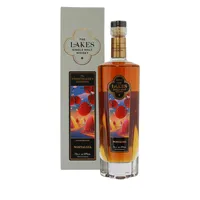
49.0% ABV · 70cl
from £95.00 shelf price from £99.99 delivered to a UK mainland address 2 retailers
£99.99 delivered
£95.00 shelf price
Compare prices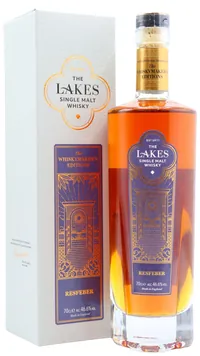
70cl
from £99.95 shelf price from £105.90 delivered to a UK mainland address 2 retailers
£105.90 delivered
£99.95 shelf price
Price gap up to £20.05
Delivered price gap up to £14.10
Compare prices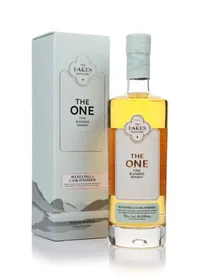
46.6% ABV · 70cl
from £35.95 shelf price from £40.90 delivered to a UK mainland address 1 retailer
£40.90 delivered
£35.95 shelf price
Compare prices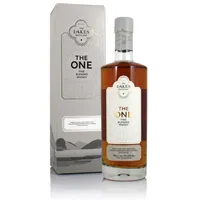
46.6% ABV · 70cl
from £37.80 shelf price from £42.30 delivered to a UK mainland address 1 retailer
£42.30 delivered
£37.80 shelf price
Compare prices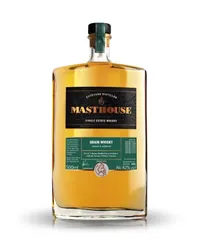
42.0% ABV · 50cl
from £39.50 shelf price from £44.45 delivered to a UK mainland address 1 retailer
£44.45 delivered
£39.50 shelf price
Compare prices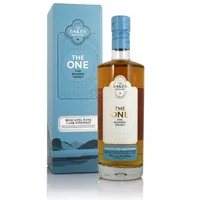
46.6% ABV · 70cl
sherry cask, wine cask · Sherry cask · Wine cask · Limited edition
from £43.00 shelf price from £47.50 delivered to a UK mainland address 1 retailer
£47.50 delivered
£43.00 shelf price
Compare prices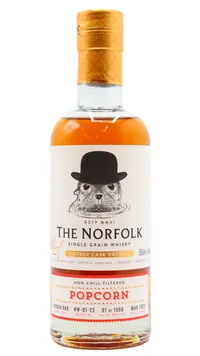
45.0% ABV · 50cl
from £49.45 shelf price from £55.40 delivered to a UK mainland address 1 retailer
£55.40 delivered
£49.45 shelf price
Compare prices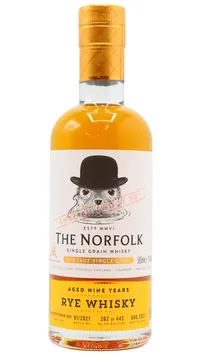
9 years · 51.4% ABV · 50cl
from £54.95 shelf price from £60.90 delivered to a UK mainland address 1 retailer
£60.90 delivered
£54.95 shelf price
Compare prices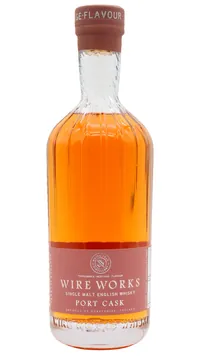
70cl
port cask · Port cask
from £64.95 shelf price from £70.90 delivered to a UK mainland address 1 retailer
£70.90 delivered
£64.95 shelf price
Compare prices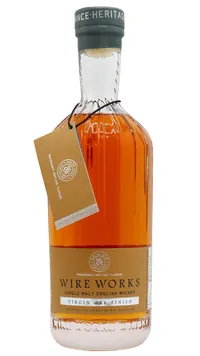
51.7% ABV · 70cl
from £64.95 shelf price from £70.90 delivered to a UK mainland address 1 retailer
£70.90 delivered
£64.95 shelf price
Compare prices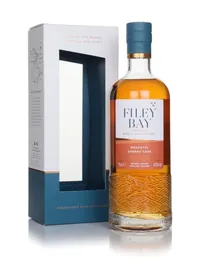
47.3% ABV · 70cl
sherry cask · Sherry cask
from £65.95 shelf price from £70.90 delivered to a UK mainland address 1 retailer
£70.90 delivered
£65.95 shelf price
Compare prices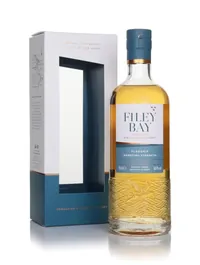
50.1% ABV · 70cl
from £67.50 shelf price from £72.45 delivered to a UK mainland address 1 retailer
£72.45 delivered
£67.50 shelf price
Compare prices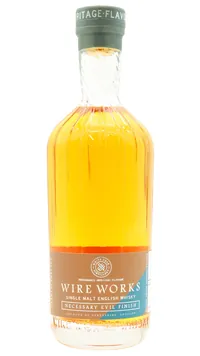
70cl
cask finish · Cask finish
from £69.95 shelf price from £75.90 delivered to a UK mainland address 1 retailer
£75.90 delivered
£69.95 shelf price
Compare pricesRead our guide to England: English whisky: what's in stock, UK prices
Learn more about England on Whiskipedia