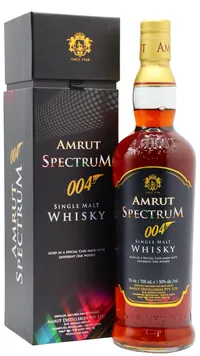
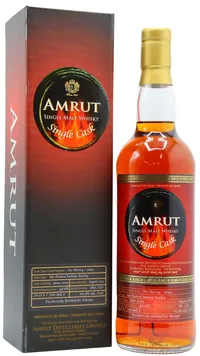
Whisky from India

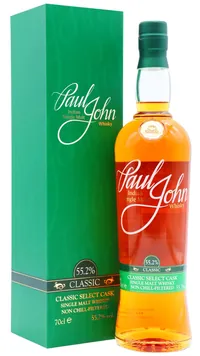
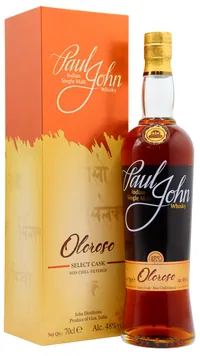
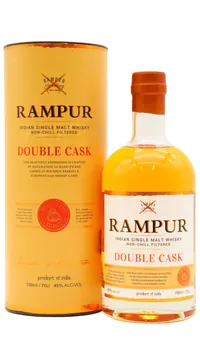
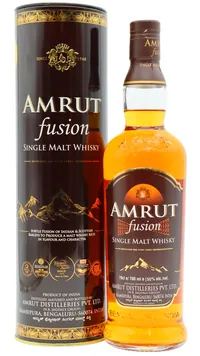
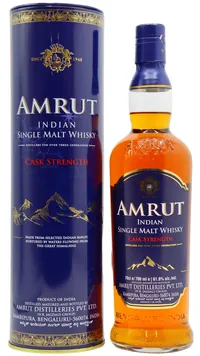
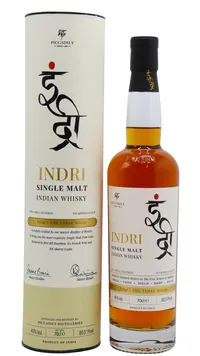
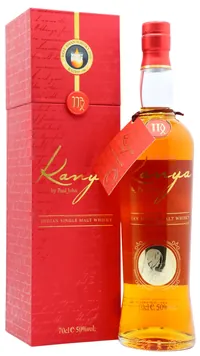
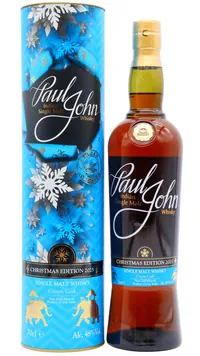
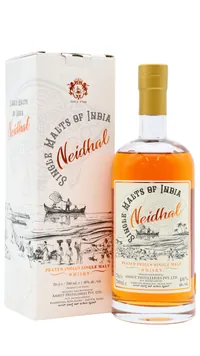
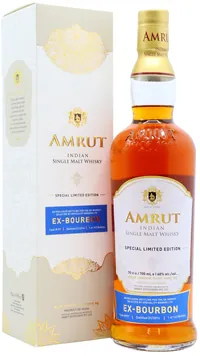
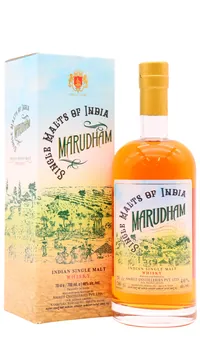
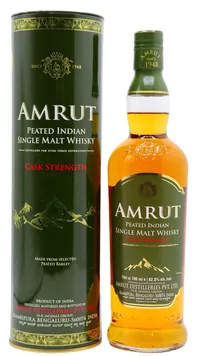
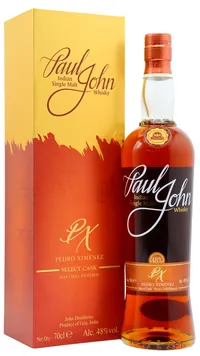
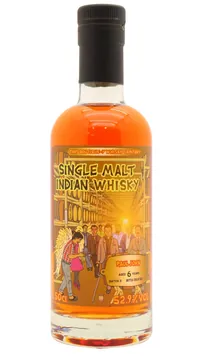
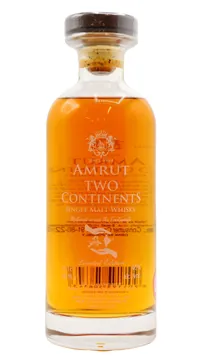
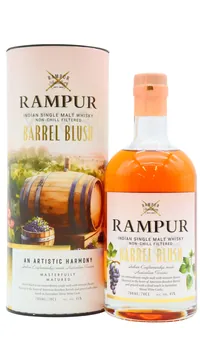
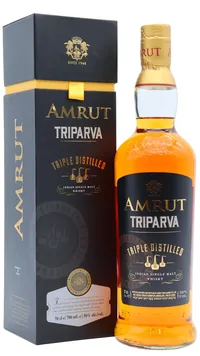
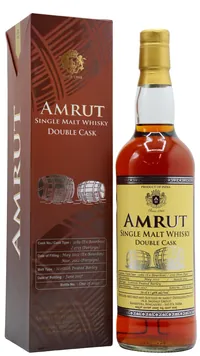
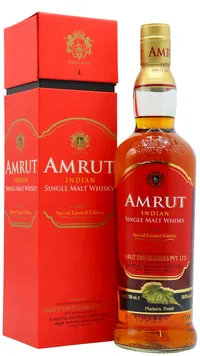
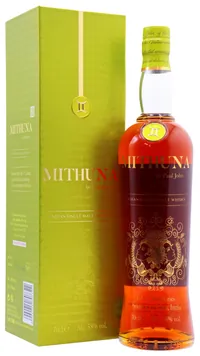
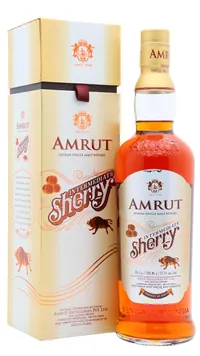
Compare Indian whisky prices from the UK retailers we check, including single malts from Amrut, Paul John, Indri and Rampur. Check the bottle size and delivery cost when comparing offers. Each producer makes several expressions, so compare the label and cask as well as the brand.

Read moreShow less

India’s warm climate speeds maturation, so Indian single malts are often bottled younger than their Scotch equivalents. Note that much of the whisky sold within India is made from molasses rather than grain; Indian single malt is made from malted barley. Check the bottle description for its style and ingredients. Browse single malt or explore sherry casks to compare production choices across countries.

For background, see Whiskipedia on Indian whisky. To understand the four distilleries behind these bottles, see Indian whisky distilleries. Prices are the best current in-stock offer from the UK retailers we check (how we compare prices).
36 bottles in stock.

Questions

What is the cheapest whisky from India?

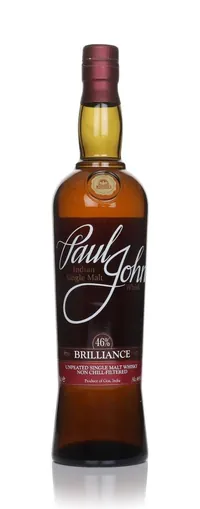
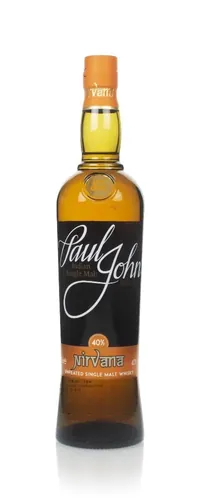
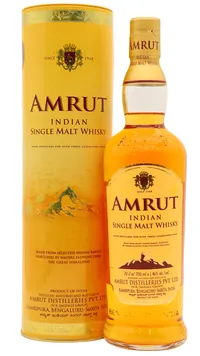
The cheapest whisky from India is Paul John Nirvana Unpeated 40% 70cl (40% ABV, 70cl), at £32.95 from Master of Malt. That is £37.90 delivered to the UK mainland for one bottle. Next cheapest: Amrut Original Single Malt Whisky 70cl (£35.45) and Paul John Brilliance (£36.50).

How much does whisky from India cost?

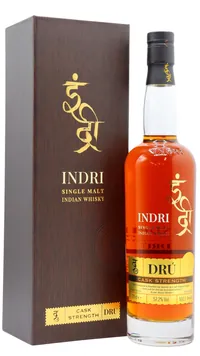
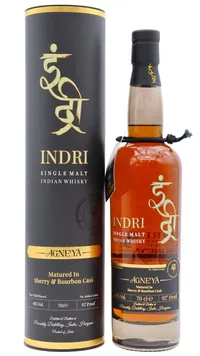
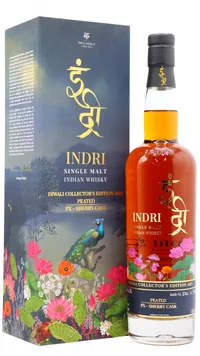
Whisky from India costs from £32.95 to £1,199.95, with a median of £78.45 for a full-size bottle (50cl to 1 litre). The dearest is Indri Diwali Collectors Edition Indian Whisky 2023 Peated.

What is the oldest whisky from India you can buy?

Why does whisky mature faster in India or Taiwan?

Heat speeds up the exchange between spirit and wood, and it also drives up evaporation. In Scotland the angels’ share is about 1 to 2% a year, but Amrut in Bangalore estimates losses of up to 12% a year and Kavalan in Taiwan has recorded up to 15%. That is why many Indian and Taiwanese malts are bottled young, and why very old bottlings are rare.

Is most Indian whisky made from grain?

No. Most whisky sold in India starts as molasses, which makes it closer to rum than to Scotch, which must be made from cereals. Only a small share is made from malted grain, but that is the share Indian single malts such as Amrut, Paul John and Indri come from.

Which distilleries make Indian single malt?

The best known are Amrut in Bangalore, whose single malt reached the UK in 2004; Paul John in Goa, whose first single malt launched in London in October 2012; Indri, from a malt distillery in Haryana set up in 2012; and Rampur.

What are the main Indian whisky brands?

They fall into two groups. India’s popular brands are mostly blends: Royal Stag, from Pernod Ricard, mixes Indian grain neutral spirit with imported Scotch malts, according to its label, and Allied Blenders and Distillers describes Officer’s Choice as a malt blend. Indian distillers long made their ‘whisky’ from spirit distilled from sugarcane molasses, which the EU regarded as rum. In the UK, whisky must be distilled from a mash of malted cereals, matured for at least three years in wooden casks and bottled at 40% or more (see whisky’s legal definitions). The Indian whiskies best known in the UK are single malts. Amrut launched India’s first single malt in Glasgow in 2004, Paul John brought its single malt to the UK in 2012 and Rampur, from Radico Khaitan, followed in 2015. Indri comes from Haryana, and Diageo India makes Godawan at its Alwar distillery in Rajasthan.

Is Indian single malt made from Indian barley?

Mostly, yes. Amrut, Paul John and Indri all make their unpeated single malts from six-row barley grown in India, much of it in Rajasthan and the Punjab. Six-row barley has more husk and protein and less starch than the two-row barley used for Scotch, so it gives less spirit per tonne, and the distillers say it also gives a heavier, oilier spirit. Peat is the exception, because the peat comes from Scotland: Paul John imports Scottish peat to smoke Indian barley, while Amrut Peated is made from barley peated in Scotland, and Amrut Fusion mixes Indian barley with peated barley from Scotland. India’s heat then does the rest, speeding maturation so that these malts are usually bottled young, as the answer on maturation above explains.

Is Amrut or Paul John whisky peated?

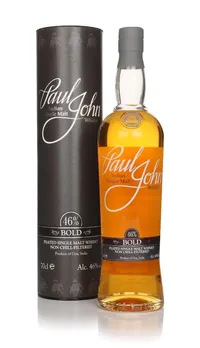
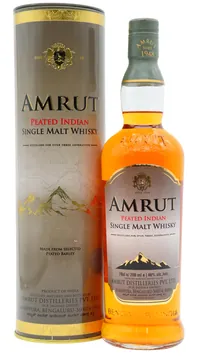
Both make peated and unpeated single malts. Amrut Peated and Paul John Bold and Peated Select Cask are peated, while Amrut Fusion mixes unpeated Indian barley with peated barley from Scotland. Their standard unpeated malts include Amrut’s Indian Single Malt and Paul John Brilliance. See Whiskipedia on Amrut.