
Hakushu Distiller's Reserve
43.0% ABV · 70cl
from £64.95 5 retailers
£70.90 delivered
Save up to £5.05
Compare pricesJapanese whisky is made mainly in the Scotch tradition, with Suntory and Nikka behind much of what is sold in the UK. This page compares bottles including Yamazaki, Hakushu, Hibiki, The Chita, Nikka Days, Hatozaki and Mars. For the JSLMA labelling rules, Mizunara oak and how to spot authentic distilleries, see our guide to Japanese whisky.
To understand the five principal distilleries behind the main Suntory and Nikka releases, see Japanese whisky distilleries.
Bottles with no age statement are the norm here, while age-stated Japanese whisky is often scarce and expensive. Prices for the same bottle can vary widely between shops, so compare like with like and check bottle size as well as delivery.
To narrow the grid by production style, compare single malt whisky. Prices are the best current in-stock offer from the UK retailers we check (how we compare prices).
86 bottles in stock, with the best current price from the UK retailers we check.
43.0% ABV · 70cl
from £64.95 5 retailers
£70.90 delivered
Save up to £5.05
Compare prices
43.0% ABV · 70cl
from £74.95 5 retailers
£79.90 delivered
Save up to £13.05
Compare prices
43.0% ABV · 70cl
from £29.50 4 retailers
£34.45 delivered
Save up to £5.50
Compare prices
43.0% ABV · 70cl
from £36.99 4 retailers
£41.94 delivered
Save up to £2.51
Compare prices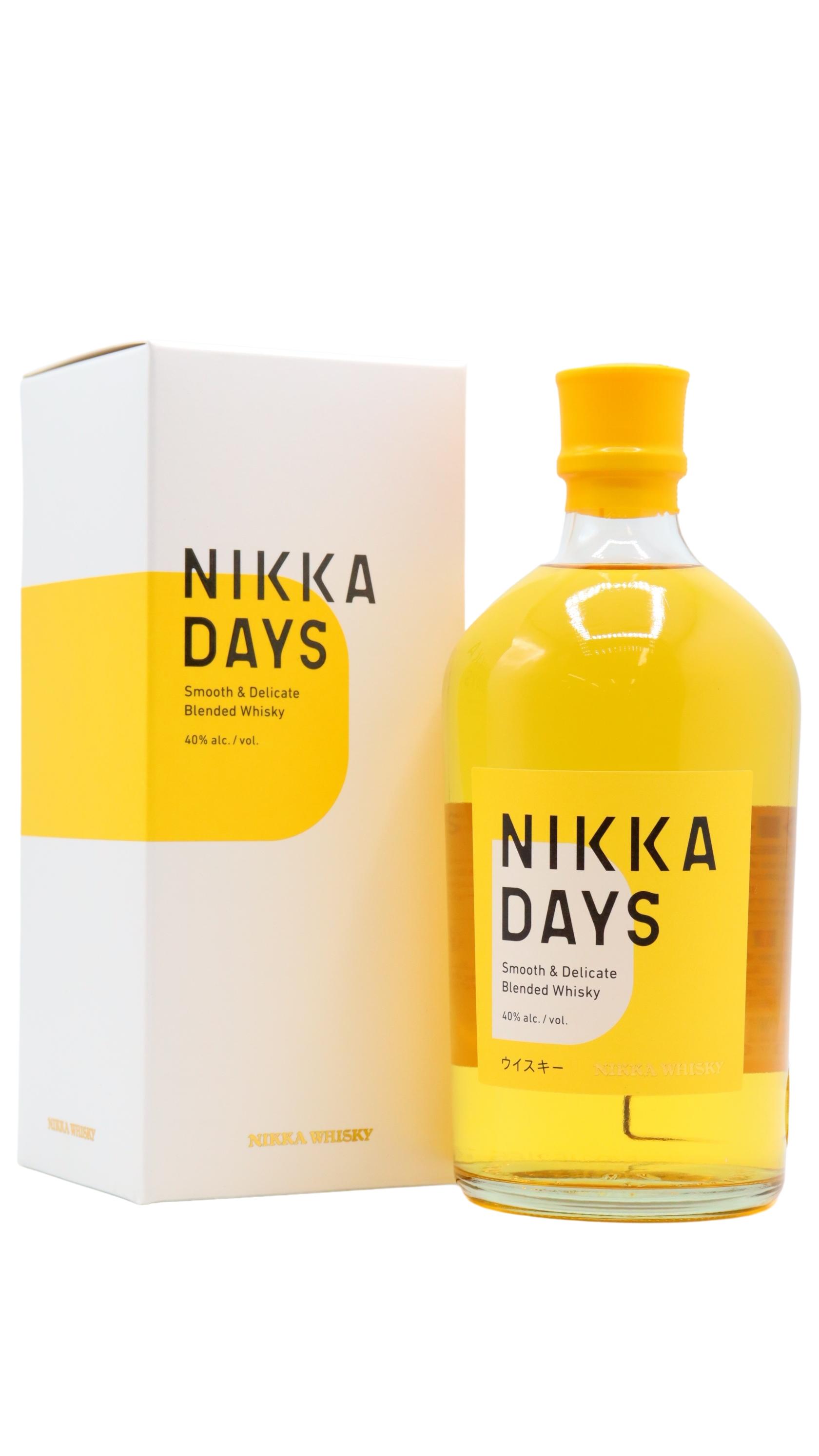
40.0% ABV · 70cl
from £37.99 4 retailers
£42.49 delivered
Save up to £7.01
Compare prices
46.0% ABV · 70cl
from £49.00 4 retailers
£53.99 delivered
Save up to £5.95
Compare prices
43.0% ABV · 70cl
from £49.49 4 retailers
£54.44 delivered
Save up to £5.51
Compare prices
46.0% ABV · 70cl
from £63.50 4 retailers
£68.45 delivered
Save up to £6.50
Compare prices
46.0% ABV · 70cl
from £70.18 4 retailers
£75.13 delivered
Save up to £9.82
Compare prices
45.0% ABV · 70cl
from £73.00 4 retailers
£77.99 delivered
Save up to £1.95
Compare prices
43.0% ABV · 70cl
from £74.95 4 retailers
£79.95 delivered
Save up to £2.05
Compare prices
43.0% ABV · 70cl
from £105.00 4 retailers
£105.00 delivered
Save up to £16.00
Compare prices
12 years · 43.0% ABV · 70cl
from £129.49 4 retailers
£129.49 delivered
Save up to £20.46
Compare prices
50cl
from £54.00 3 retailers
£58.99 delivered
Save up to £0.95
Compare prices
43.0% ABV · 70cl
from £54.95 3 retailers
£60.90 delivered
Save up to £5.05
Compare prices
45.0% ABV · 70cl
from £59.95 3 retailers
£65.90 delivered
Save up to £14.05
Compare prices
43.0% ABV · 70cl
from £66.95 3 retailers
£71.99 delivered
Save up to £0.05
Compare prices
45.0% ABV · 70cl
from £69.95 3 retailers
£75.90 delivered
Save up to £5.05
Compare prices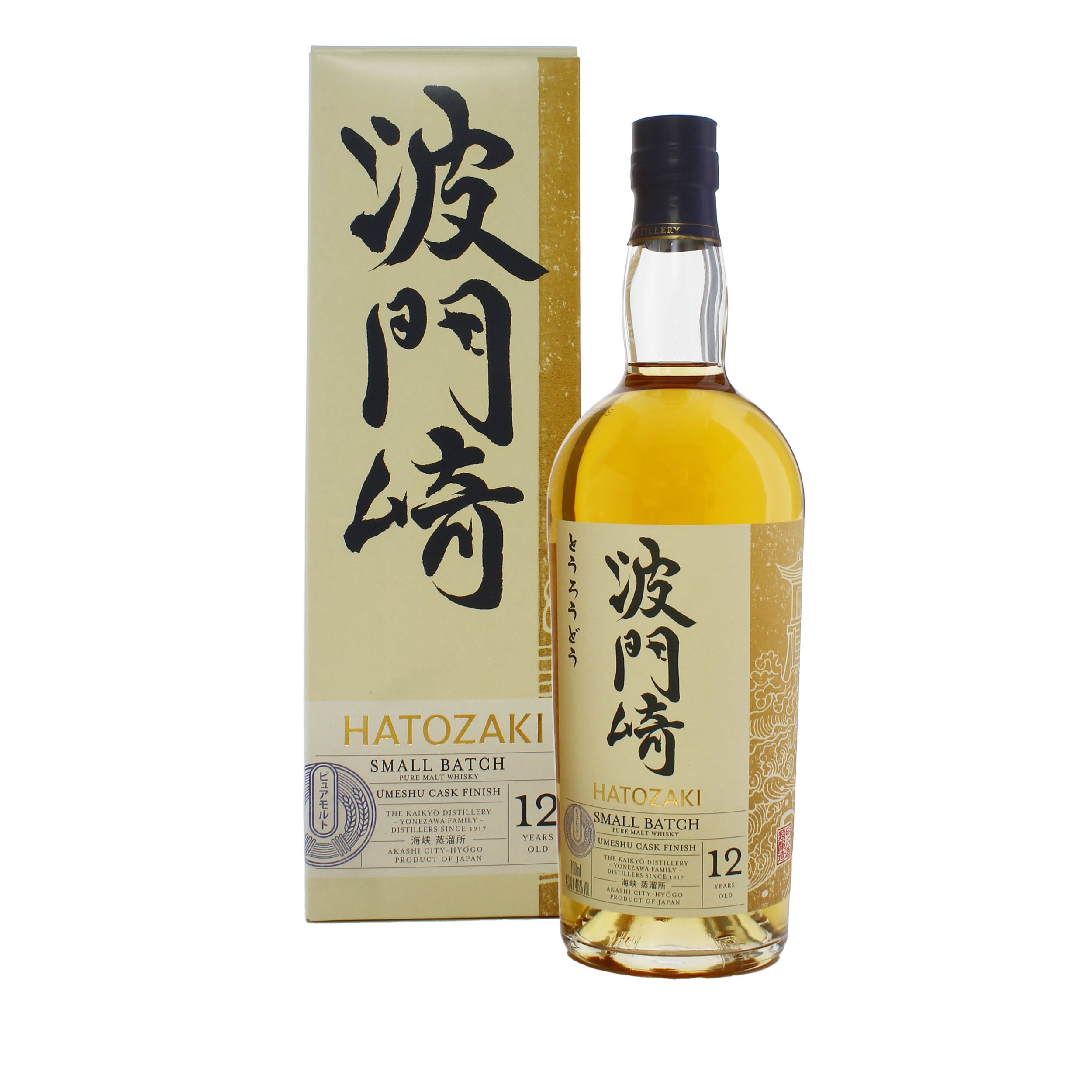
12 years · 46.0% ABV · 70cl
from £79.94 3 retailers
£84.89 delivered
Save up to £6.06
Compare prices
50.0% ABV · 70cl
from £94.95 3 retailers
£99.90 delivered
Save up to £5.00
Compare prices
12 years · 43.0% ABV · 70cl
from £120.00 3 retailers
£120.00 delivered
Save up to £17.95
Compare prices
43.0% ABV · 70cl
from £499.95 3 retailers
£499.95 delivered
Save up to £99.05
Compare prices
18 years · 43.0% ABV · 70cl
from £549.95 3 retailers
£549.95 delivered
Save up to £149.05
Compare prices
18 years · 43.0% ABV · 70cl
from £589.00 3 retailers
£589.00 delivered
Save up to £11.00
Compare prices
17 years · 43.0% ABV · 70cl
from £1,999.00 3 retailers
£1,999.00 delivered
Save up to £1,193.00
Compare prices
25 years · 43.0% ABV · 70cl
from £3,999.95 3 retailers
£3,999.95 delivered
Save up to £250.05
Compare prices
40.0% ABV · 70cl
from £37.50 2 retailers
£42.45 delivered
Save up to £0.50
Compare prices
40.0% ABV · 70cl
from £39.95 2 retailers
£45.90 delivered
Save up to £4.04
Compare prices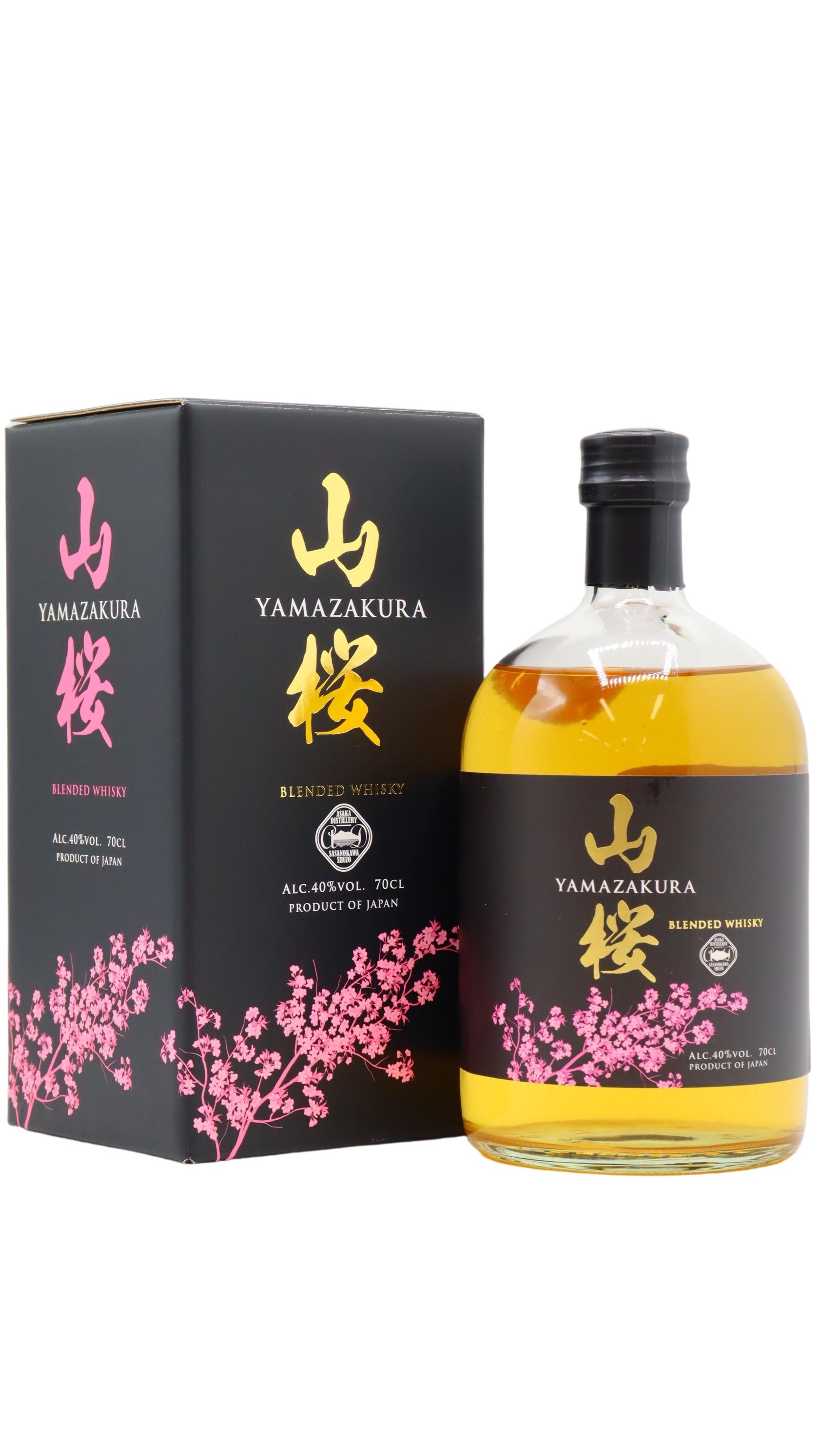
40.0% ABV · 70cl
from £39.95 2 retailers
£45.90 delivered
Save up to £12.04
Compare prices
51.4% ABV · 50cl
from £45.00 2 retailers
£49.99 delivered
Compare prices
50cl
from £45.95 2 retailers
£50.90 delivered
Save up to £4.00
Compare prices
8 years · 70cl
from £55.53 2 retailers
£60.48 delivered
Save up to £7.97
Compare prices
46.5% ABV · 70cl
from £70.50 2 retailers
£75.49 delivered
Compare prices
43.0% ABV · 70cl
from £107.00 2 retailers
£107.00 delivered
Compare prices
70cl
from £124.95 2 retailers
£124.95 delivered
Save up to £19.95
Compare prices
48.0% ABV · 70cl
from £126.84 2 retailers
£126.84 delivered
Save up to £17.11
Compare prices
70cl
from £129.95 2 retailers
£129.95 delivered
Save up to £0.05
Compare prices
5 years · 70cl
from £139.95 2 retailers
£139.95 delivered
Save up to £25.00
Compare prices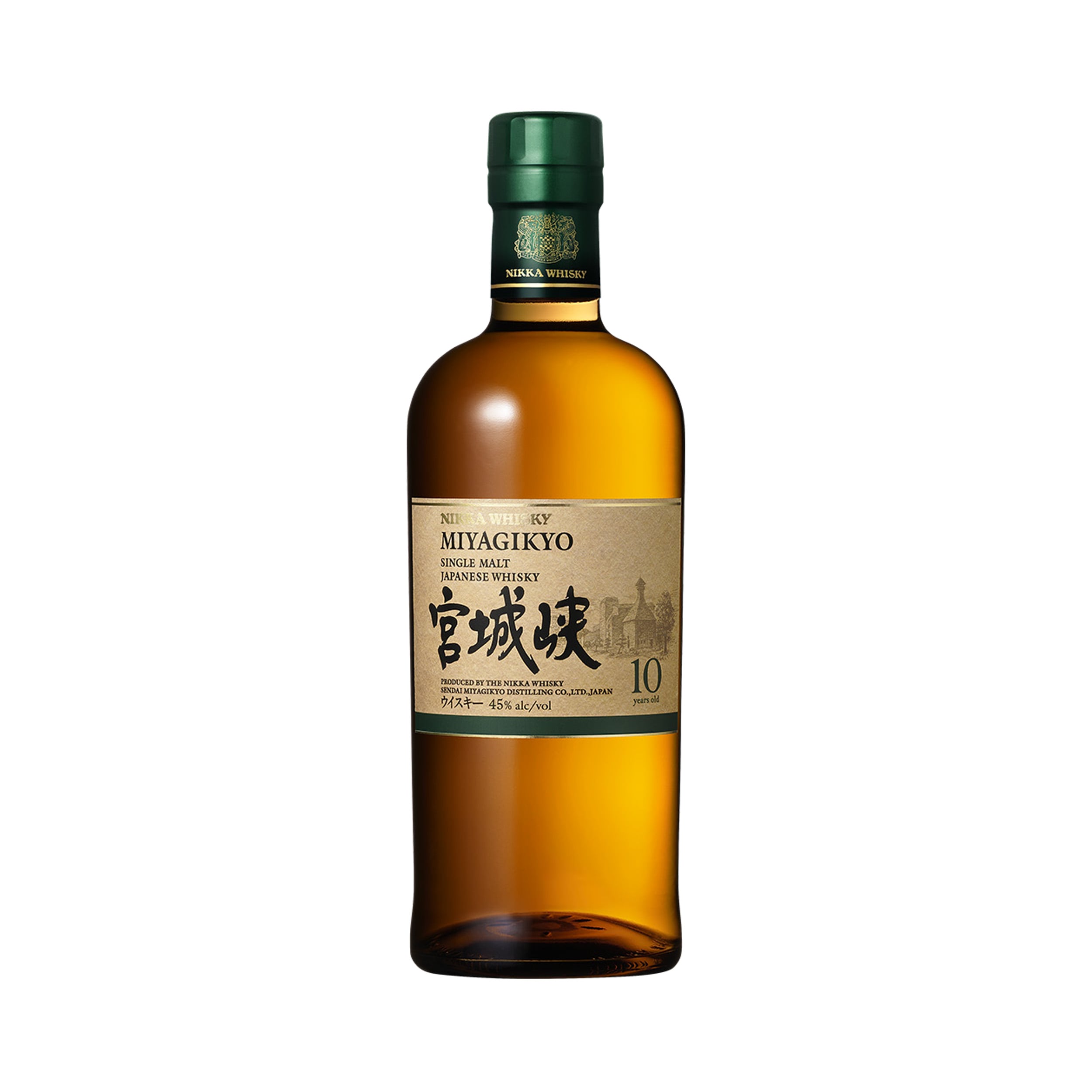
10 years · 45.0% ABV · 70cl
from £149.00 2 retailers
£149.00 delivered
Compare prices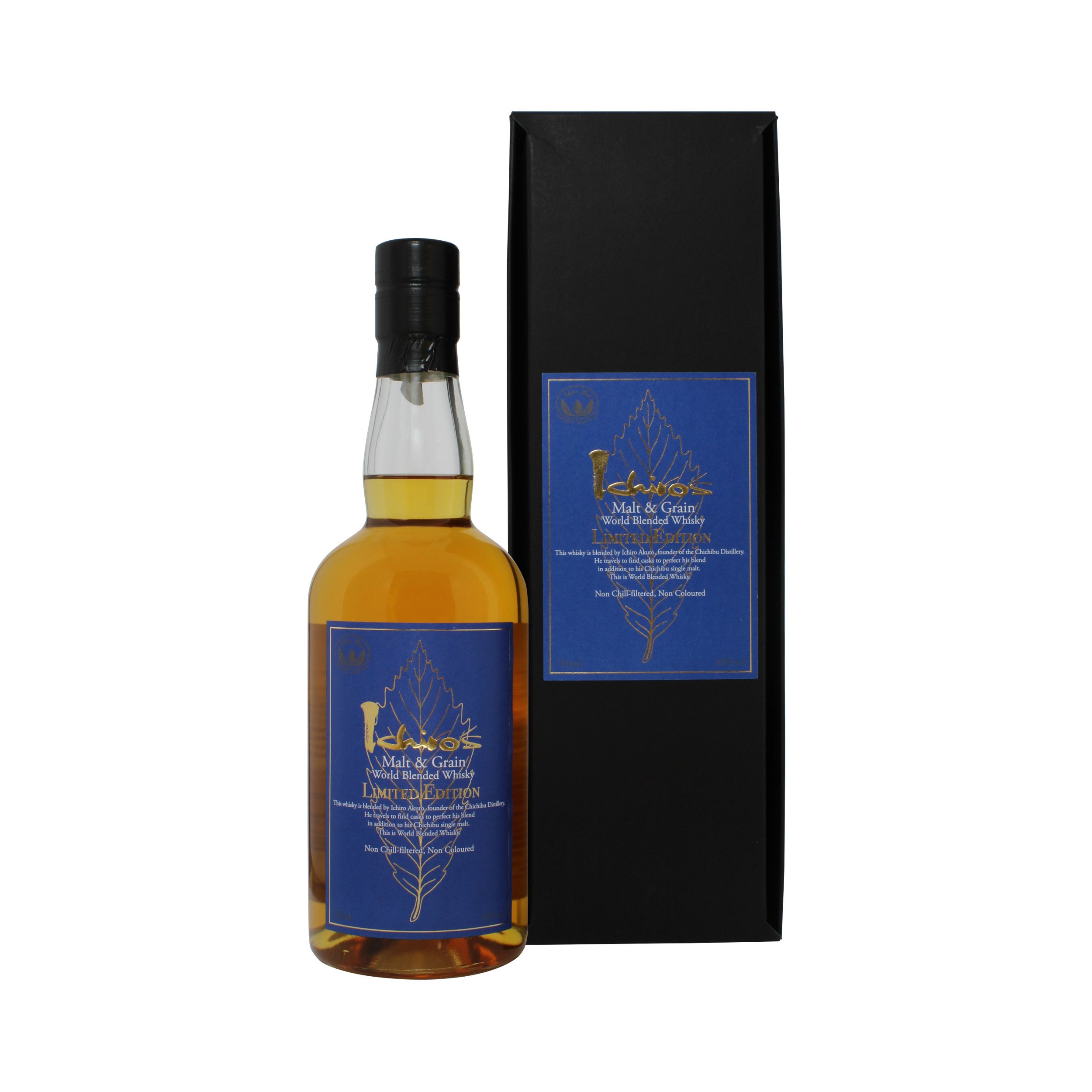
48.0% ABV · 70cl
from £175.00 2 retailers
£175.00 delivered
Compare prices
70cl
from £184.95 2 retailers
£184.95 delivered
Save up to £50.04
Compare prices
70cl
from £199.95 2 retailers
£199.95 delivered
Save up to £25.04
Compare prices
70cl
from £209.95 2 retailers
£209.95 delivered
Save up to £1.00
Compare prices
46.0% ABV · 70cl
from £299.00 2 retailers
£299.00 delivered
Save up to £0.95
Compare prices
70cl
from £399.00 2 retailers
£399.00 delivered
Save up to £350.95
Compare prices
70cl
from £399.00 2 retailers
£399.00 delivered
Save up to £50.95
Compare prices
17 years · 43.0% ABV · 70cl
from £599.95 2 retailers
£599.95 delivered
Save up to £99.05
Compare prices
18 years · 70cl
from £1,449.95 2 retailers
£1,449.95 delivered
Save up to £150.00
Compare pricesLearn more about Japan on Whiskipedia