Honey whisky

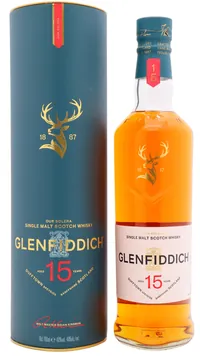
Honey and beeswax are a common thread in Speyside malts. The honey character comes from the spirit and the cask, usually ex-bourbon or virgin American oak, and Whiskipedia names Glenfiddich and Tamdhu as two distilleries where it is prominent.

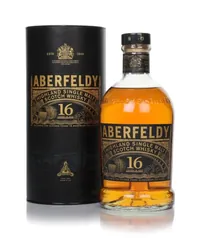
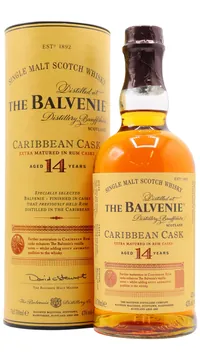
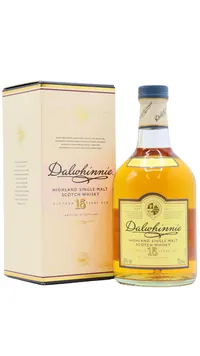
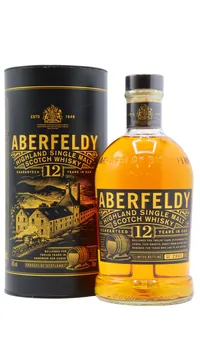
Aberfeldy 12 Year Old (£34.95 at Hard To Find Whisky), Balvenie 12 Year Old DoubleWood (£50.28 at Master of Malt) and the Highland malt Dalwhinnie 15 Year Old (£42.95 at Master of Malt) are three examples. Honey and vanilla often go together; for the casks behind both, see bourbon cask whisky and virgin oak whisky. For the sweeter side in general, sweet whisky is broader.
253 bottles in stock, plus 8 under 50cl. How we count
Fine-tune in the whisky finder: start from this flavour and add a price limit or a bottle you like.

Questions

What is the cheapest honey whisky?

The cheapest honey whisky is Proper No. Twelve (12) (40% ABV, 70cl), at £23.00 from The Whisky Shop. That is £27.99 delivered to the UK mainland for one bottle. Next cheapest: Jameson Irish Whiskey (£23.40) and Tullamore DEW (£24.09).

How much does honey whisky cost?

Honey whisky costs from £23.00 to £20,000.00, with a median of £78.95 for a full-size bottle (50cl to 1 litre). The dearest is Old Pulteney 50 Year Old.

What is the oldest honey whisky you can buy?

Old Pulteney 50 Year Old, at 50 years old, from £20,000.00.

Is honey whisky made with honey?

Not when it is Scotch. The Scotch Whisky Regulations 2009 allow nothing to be added except water and plain caramel colouring, so a honeyed Scotch gets that note from fermentation and the cask. Bottles sold as honey whisky or honey whiskey mix whisky with honey or a honey liqueur, which makes them liqueurs or flavoured spirit drinks rather than whisky.

Where does the honey note in whisky come from?

Mostly from the cask. Whiskipedia’s flavour glossary traces honey and beeswax notes to maturation in virgin oak and ex-bourbon casks, and names Tamdhu and Glenfiddich, both Speyside distilleries, as two where it is prominent. American oak’s vanilla and caramel compounds sit close to honey, which is why the two so often appear together in tasting notes (Whiskipedia).