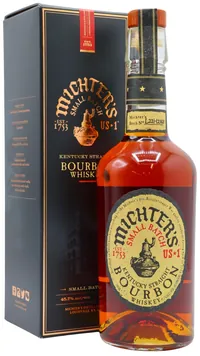
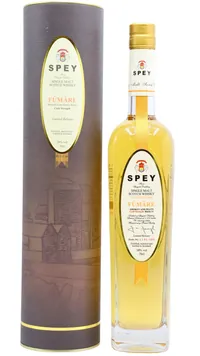
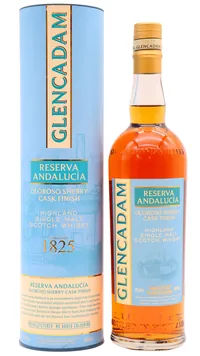
Sweet whisky

Sweet whisky leans towards honey, vanilla, toffee, caramel and ripe fruit, with little smoke or bitterness. Sweetness is the base note of much unpeated whisky, so this is a broad group. The sugars from the grain are fermented into alcohol, and distillation leaves none in the spirit; the sweet taste comes from vanilla and coconut compounds in the oak and fruity esters from fermentation.

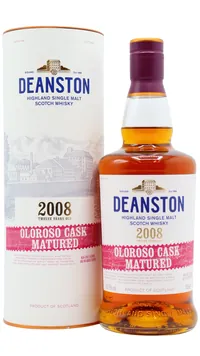
Slane Irish Whiskey (£24.60 at Tyndrum Whisky), Deanston 12 Year Old (£35.95 at Master of Malt) and the unpeated Tobermory 12 Year Old (£32.99 at Master of Malt) are three examples. To narrow it down, try honey, vanilla or creamy whisky; bourbon, made mostly from corn, has its own page at bourbon. If you are new to whisky, whisky for beginners starts from bottles like these.
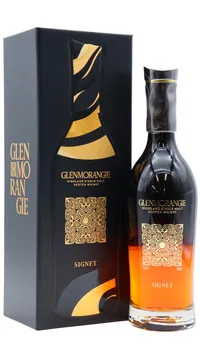
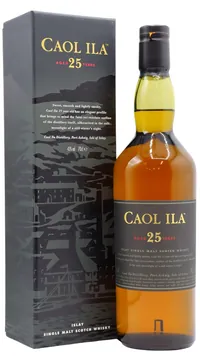
697 bottles in stock, plus 17 under 50cl. How we count

Fine-tune in the whisky finder: start from this flavour and add a price limit or a bottle you like.
Questions

What is the cheapest sweet whisky?

The cheapest sweet whisky is Arran Gold Malt Whisky Cream Liqueur (17% ABV, 70cl), at £19.50 from Tyndrum Whisky. That is £24.00 delivered to the UK mainland for one bottle. Next cheapest: Canadian Club Blended Canadian Whisky (£21.50) and Ballantine’s Finest Blended Whisky (£21.50).
How much does sweet whisky cost?

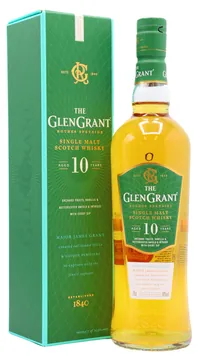
Sweet whisky costs from £19.50 to £24,500.00, with a median of £78.95 for a full-size bottle (50cl to 1 litre). The dearest is Glen Grant 1948 (cask 1365) King Charles III Coronation Release Single Malt Whisky.

What is the oldest sweet whisky you can buy?

Does sweet whisky contain sugar?

Not Scotch. The Scotch Whisky Regulations 2009 allow nothing to be added except water and plain caramel colouring (E150a), and that caramel is there to even out colour between batches (Whiskipedia). Sweetness in whisky comes from vanilla and coconut compounds in the oak and fruity esters from fermentation. Sweetened whisky liqueurs are a separate category.

Is bourbon sweeter than Scotch?

Bourbon often tastes sweeter. US law requires at least 51% corn and maturation in charred new oak (27 CFR 5.143), and new charred American oak gives strong vanilla and coconut notes and a sweeter texture. Most Scotch matures in casks that have already held bourbon or sherry, so it takes less from the wood (Whiskipedia).