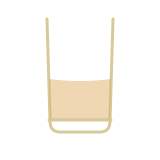
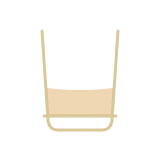
Explore the shapes used for whisky, from a Glencairn and copita to the tumbler and Norlan, and find the glass that suits your dram.
There is no single right glass for whisky. Most harcore whisky fans will have several different glasses, and usually have a preference for a glass for a style. Some whisky tastings will even let you try the same dram in multiple glasses (a highly rated and often overlooked experience).
A narrow rim can gather aromas for a closer look; a wider glass gives you room for ice or a longer drink. Explore the shapes below and follow the guides for more detail.
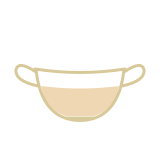
Society nosing glass
The Scotch Malt Whisky Society's short-stemmed tasting glass, inspired by a sherry copita.
The bowl and rim change how aromas reach your nose, but comfort, occasion and personal preference matter too. Try the same whisky in two glasses and see what you notice. Our guide to the importance of the whisky glass compares the shapes, and the whisky nosing course offers a place to start tasting.
Questions
What are whisky glasses called?
Whisky glasses are usually named by their shape or use. A short, broad tumbler is also sold as a rocks, lowball or Old Fashioned glass, while a tall highball glass suits whisky with ice and a mixer. For smelling and sipping a neat measure, common names include Glencairn and copita. These labels are not exact size standards, so check the listed capacity and dimensions. A quaich is different again: a traditional Scottish drinking bowl, usually with two handles, and not necessarily made of glass.
What is a whisky nosing glass?
A whisky nosing glass is intended for smelling as well as sipping a neat measure. Many have a rounded bowl that narrows towards the rim, leaving space above a small pour. The Glencairn uses this general form with a short, solid base; a copita has a stemmed bowl. Other designs, such as NEAT, use a flared opening instead, so nosing glass does not describe one fixed specification. Pour a modest measure and smell gently before sipping. The aim is a comfortable way to examine the whisky, not a promise of identical aromas for everyone.
How do I choose a whisky glass?
Choose a glass that fits how you want to serve your whisky. For a first neat-whisky and nosing glass, a Glencairn is a practical choice because it combines a tapered bowl with a short, solid base. A copita offers a stemmed alternative. Choose a tumbler when ice or a short cocktail is central, and a highball for a longer mixed drink. No glass is universally best for every whisky or drinker. Consider grip, rim feel, cleaning and capacity as well as appearance, then compare a couple of shapes with the same whisky if you can.
Why are whisky glasses heavy?
Not all whisky glasses are heavy. Some use thick walls or a solid, weighted base, particularly tumblers, while the Glencairn has a short, solid foot. That construction can make a glass feel steady and changes how it sits in the hand, but weight is not a requirement for whisky or evidence of better nosing. Wall thickness, capacity and base construction all affect the result. Other products take a different approach: Norlan describes its double-walled glass as lightweight. Balance, grip and rim feel are more useful buying considerations than weight alone.
How should you hold a whisky glass?
Hold a whisky glass in the way that gives a secure grip without covering the opening. For a copita, use the stem; for a Glencairn, hold the short, solid base; for a tumbler, grip the body or base comfortably. There is no compulsory finger arrangement. When nosing, bring the glass up gently rather than taking a deep sniff immediately. The Túath’s sculpted base is designed as a thumb anchor, showing how handling depends on the individual design. Choose a hold that lets you lift, tilt and set down the glass without strain or spills.
What is the difference between a whisky glass and a bourbon glass?
There is no essential glassware divide between whisky and bourbon. Bourbon is a whiskey, and the same tumblers, highballs and nosing glasses can hold it. A glass marketed as a bourbon glass may be a rocks or Old Fashioned tumbler intended for a neat pour, ice or cocktails; another may have a narrower tasting bowl. The product name does not establish a separate standard. Choose according to the drink: a broad tumbler for ice or mixing, a tall highball for a longer serve, or a Glencairn or copita for smelling a small neat measure. Check the actual shape and capacity rather than relying on the label.
Can we count your visit?
We would like to use Google Analytics cookies to see which pages are read and which shops people click through to. Nothing is set unless you accept. Change your mind any time in Cookie settings at the foot of the page. Cookie notice.