On this page
GuideBudget, occasion and gifting
Best Islay whisky under £50: peated, unpeated and unnamed
Islay whisky on a £50 budget: peated distillery classics, unpeated Islay malts, a blended malt and independent bottlings that keep the distillery unnamed.
This guide links to retailers. Some links may earn us a commission; picks are based on the price data and the criteria below.
On a £50 budget, start with Ardbeg 10 Year Old for heavy peat, Bunnahabhain 12 Year Old for Islay without smoke, or A.D. Rattray’s Cask Islay, an independent bottling that doesn’t name its distillery. Each pick below shows only while its price stays under £50.
This page is about the budget. For the island’s distilleries one by one, see best Islay whisky; for smoke from anywhere in Scotland and beyond, see the best peated whisky under £50. Every Islay bottle we list is on Islay whisky, and the wider band is whisky under £50.
The distillery classics under £50
These are core bottles from five distilleries. Ardbeg 10 and Bowmore 12 also appear in the peated guide, so each gets one line here.
Laphroaig 10 Year Old: £32.00 at Master of Malt. A 10-year-old peated single malt at 40% ABV from Laphroaig, which malts part of its barley on its own floors.
Ardbeg 10 Year Old: £39.95 at Hard To Find Whisky. A 10-year-old single malt at 46% ABV, matured in ex-bourbon casks. Ardbeg says its current malt is peated to at least 55 ppm; that does not establish the figure for every past bottling.
Bowmore 12 Year Old: £41.00 at The Whisky Shop. A 12-year-old peated single malt at 40% ABV from Bowmore, which still malts part of its barley on traditional floors.
Kilchoman Machir Bay: £44.25 at Master of Malt. A no-age-statement peated single malt at 46% ABV from Kilchoman, founded in 2005, which calls itself Islay’s farm distillery.
Caol Ila 12 Year Old: £49.95 at Hard To Find Whisky. A 12-year-old peated single malt at 43% ABV from Caol Ila, founded in 1846 and owned by Diageo.
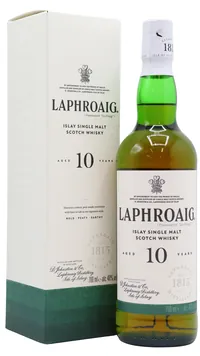
Laphroaig Islay Single Malt Scotch 10 Year Old Whisky
10 years · 40.0% ABV · 70cl
from £32.00 shelf price 3 retailers
£36.95 delivered
Price gap up to £10.90
Compare prices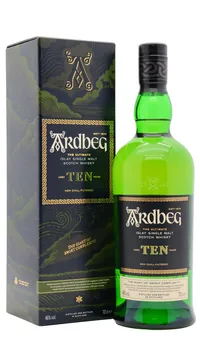
Ardbeg 10 Year Old
10 years · 46.0% ABV · 70cl
from £39.95 shelf price 5 retailers
£45.47 delivered
Price gap up to £7.55
Compare prices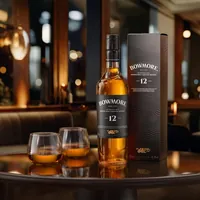
Bowmore 12 Year Old 2025 Release Islay Single Malt Scotch Whisky 70cl
12 years · 40.0% ABV · 70cl
from £41.00 shelf price 2 retailers
£45.99 delivered
Compare prices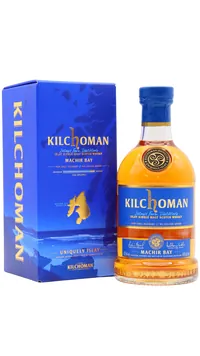
Kilchoman Machir Bay
46.0% ABV · 70cl
from £44.25 shelf price 4 retailers
£49.20 delivered
Price gap up to £9.75
Compare prices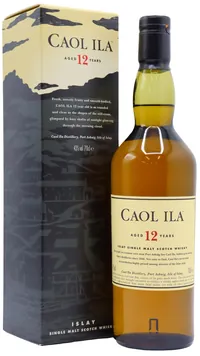
Caol Ila 12 Year Old
12 years · 43.0% ABV · 70cl
from £49.95 shelf price 2 retailers
£55.90 delivered
Price gap up to £12.01
Compare pricesA malt ppm figure describes the barley before distilling, not the smoke in the glass; our ppm guide explains why.
Unpeated Islay on a budget
Islay is not a synonym for smoke. Bunnahabhain is known for unpeated single malt, and Bruichladdich describes its own-name range as unpeated, with its peated whisky sold as Port Charlotte and Octomore.
Bunnahabhain 12 Year Old: £36.39 at Master of Malt. A 12-year-old single malt at 46.3% ABV, matured in ex-bourbon and ex-sherry casks and bottled without chill filtration or added colouring. Bunnahabhain says that, unlike other Islay distilleries, it is known for unpeated single malt.
For every unpeated bottle from the island, see unpeated Islay whisky.
The unnamed bottlings: Islay without a distillery on the label
Independent bottlers buy spirit or aged whisky from distilleries and bottle it under their own brand. Some Islay bottlings name the island but not the distillery, and several of them sit in this band. The law still constrains three things on the label. “Single malt Scotch whisky” means it was distilled at one distillery (Scotch Whisky Regulations 2009, regulation 3). “Islay” generally means it was distilled on the island: regulation 10 restricts the name to whisky distilled there, subject to the exceptions in Schedule 3, such as a trade mark registered before 1 September 2009 or the bottler’s address. An age statement refers to the youngest whisky in the bottle (regulation 12). What it doesn’t tell you is which distillery, and we don’t guess. For how the trade works, see independent whisky bottlers explained.
Cask Islay (A.D. Rattray): £36.60 at Master of Malt. A no-age-statement single malt at 46% ABV, matured in bourbon casks, non-chill filtered and of natural colour. A.D. Rattray calls it a peated single malt and does not name the distillery.
Port Askaig 8 Year Old: £49.95 at Hard To Find Whisky. An 8-year-old single malt at 45.8% ABV, matured in a mix of bourbon barrels, toasted American oak, sherry butts and refill hogsheads, with no chill filtration or added colouring (Port Askaig). The brand, an independent bottling since 2009, says it buys new-make spirit or aged single malt from distilleries on Islay, without naming them.
Scarabus 10 Year Old: £41.50 at Master of Malt. A 10-year-old single malt at 46% ABV from Hunter Laing, aged in refill, ex-bourbon and virgin American oak casks and bottled without colouring or chill filtration. Hunter Laing names it after an area of Islay, from the Old Norse for “a rocky place”, not after a distillery.
Berry Bros & Rudd Classic Islay: £45.94 at Master of Malt. A no-age-statement Islay single malt at 45.3% ABV in the merchant’s Classic range; Berry Bros & Rudd describes it as lightly smoky and does not name the distillery.
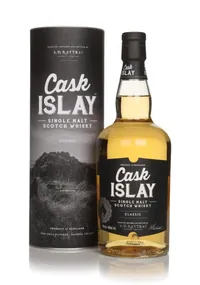
Cask Islay (A.D. Rattray) Single Malt Whisky
46.0% ABV · 70cl
from £36.60 shelf price 1 retailer
£41.55 delivered
Compare prices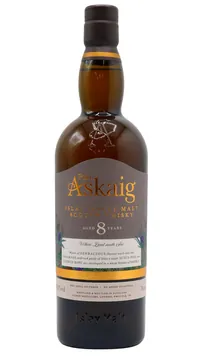
Port Askaig 8 Year Old
8 years · 45.8% ABV · 70cl
from £49.95 shelf price 4 retailers
£54.50 delivered
Price gap up to £5.05
Compare prices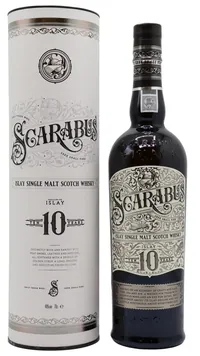
Scarabus Islay 10 Year Old Single Malt
10 years · 46.0% ABV · 70cl
from £41.50 shelf price 2 retailers
£46.45 delivered
Price gap up to £5.45
Compare prices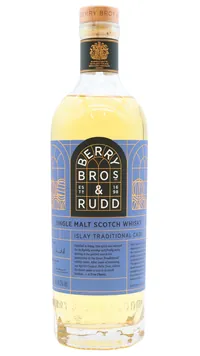
Berry Bros & Rudd Classic Islay Single Malt Scotch Whisky
45.3% ABV · 70cl
from £45.94 shelf price 2 retailers
£50.89 delivered
Price gap up to £2.01
Compare pricesBlended Islay malts and blends
A blended malt is a mix of single malts from more than one distillery, with no grain whisky; a blended Scotch adds grain whisky to malt (both defined in regulation 3). Regulation 10 generally restricts the name Islay on either kind to whisky distilled on the island, subject to the exceptions in Schedule 3; one of them lets a blend name the localities of the whiskies in it, provided they were all distilled there.
Big Peat: £34.99 at Master of Malt. A no-age-statement blended malt at 46% ABV that Douglas Laing says contains only Islay malt whiskies, naming Ardbeg, Caol Ila, Bowmore and Port Ellen among them. It is bottled in small batches without colouring or chill filtration.
Under £40
This list updates with every build: full-size Islay bottles priced under £40 at the UK retailers we check, lowest price first.
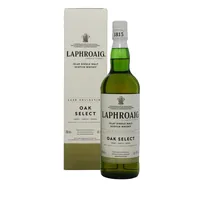
Laphroaig Select
40.0% ABV · 70cl
from £28.50 shelf price 3 retailers
£33.45 delivered
Price gap up to £9.68
Compare prices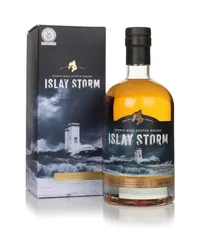
Islay Storm Single Malt Whisky
40.0% ABV · 70cl
from £29.90 shelf price 2 retailers
£34.40 delivered
Price gap up to £4.60
Compare pricesLaphroaig Islay Single Malt Scotch 10 Year Old Whisky
10 years · 40.0% ABV · 70cl
from £32.00 shelf price 3 retailers
£36.95 delivered
Price gap up to £10.90
Compare prices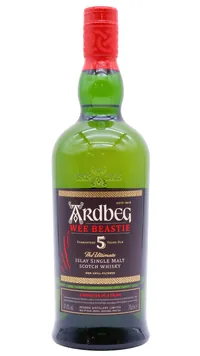
Ardbeg Wee Beastie 5 Year Old
5 years · 47.4% ABV · 70cl
from £32.95 shelf price 4 retailers
£37.90 delivered
Price gap up to £2.00
Compare prices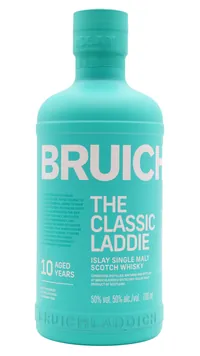
Bruichladdich The Classic Laddie Islay Single Malt Scotch 10 Year Old Whisky
10 years · 50.0% ABV · 70cl
from £32.95 shelf price 3 retailers
£37.90 delivered
Price gap up to £22.00
Compare prices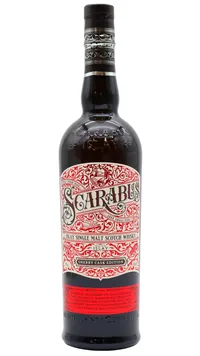
Scarabus Sherry Cask Matured Islay Single Malt Scotch Whisky
46.0% ABV · 70cl
from £34.95 shelf price 2 retailers
£40.90 delivered
Price gap up to £6.55
Compare prices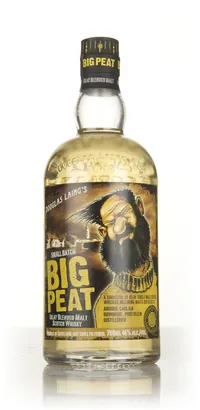
Big Peat Douglas Laing Small Batch
46.0% ABV · 70cl
from £34.99 shelf price 1 retailer
£39.94 delivered
Compare prices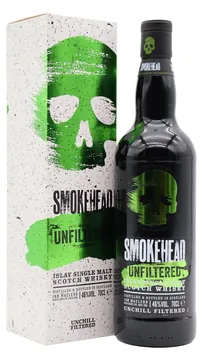
Smokehead Unfiltered Single Malt
46.0% ABV · 70cl
from £35.90 shelf price 4 retailers
£40.85 delivered
Price gap up to £15.10
Compare pricesMore Islay whisky under £50
A longer list, also updated with every build: full-size Islay bottles under £50, lowest price first.
Laphroaig Select
40.0% ABV · 70cl
from £28.50 shelf price 3 retailers
£33.45 delivered
Price gap up to £9.68
Compare pricesIslay Storm Single Malt Whisky
40.0% ABV · 70cl
from £29.90 shelf price 2 retailers
£34.40 delivered
Price gap up to £4.60
Compare pricesLaphroaig Islay Single Malt Scotch 10 Year Old Whisky
10 years · 40.0% ABV · 70cl
from £32.00 shelf price 3 retailers
£36.95 delivered
Price gap up to £10.90
Compare pricesArdbeg Wee Beastie 5 Year Old
5 years · 47.4% ABV · 70cl
from £32.95 shelf price 4 retailers
£37.90 delivered
Price gap up to £2.00
Compare pricesBruichladdich The Classic Laddie Islay Single Malt Scotch 10 Year Old Whisky
10 years · 50.0% ABV · 70cl
from £32.95 shelf price 3 retailers
£37.90 delivered
Price gap up to £22.00
Compare pricesScarabus Sherry Cask Matured Islay Single Malt Scotch Whisky
46.0% ABV · 70cl
from £34.95 shelf price 2 retailers
£40.90 delivered
Price gap up to £6.55
Compare pricesBig Peat Douglas Laing Small Batch
46.0% ABV · 70cl
from £34.99 shelf price 1 retailer
£39.94 delivered
Compare pricesSmokehead Unfiltered Single Malt
46.0% ABV · 70cl
from £35.90 shelf price 4 retailers
£40.85 delivered
Price gap up to £15.10
Compare prices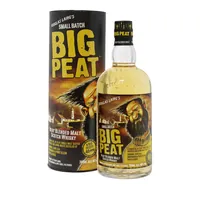
Big Peat Islay Malt Whisky
46.0% ABV · 70cl
from £36.00 shelf price 2 retailers
£40.99 delivered
Compare prices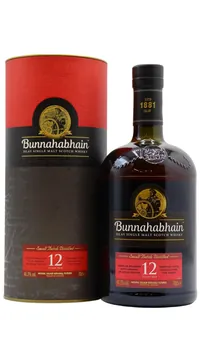
Bunnahabhain 12 Year Old
12 years · 46.3% ABV · 70cl
from £36.39 shelf price 5 retailers
£41.34 delivered
Price gap up to £13.11
Compare pricesCask Islay (A.D. Rattray) Single Malt Whisky
46.0% ABV · 70cl
from £36.60 shelf price 1 retailer
£41.55 delivered
Compare prices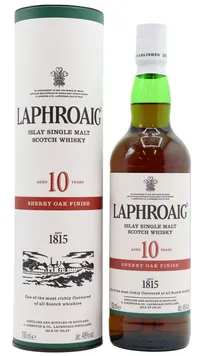
Laphroaig 10 Year Old Sherry Oak Finish
10 years · 48.0% ABV · 70cl
from £37.00 shelf price 4 retailers
£41.95 delivered
Price gap up to £18.00
Compare prices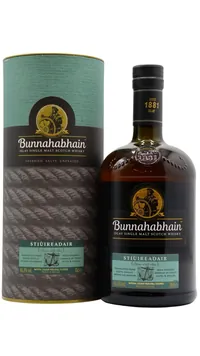
Bunnahabhain Stiuireadair
46.3% ABV · 70cl
from £38.00 shelf price 4 retailers
£42.99 delivered
Price gap up to £1.95
Compare pricesArdbeg 10 Year Old
10 years · 46.0% ABV · 70cl
from £39.95 shelf price 5 retailers
£45.47 delivered
Price gap up to £7.55
Compare prices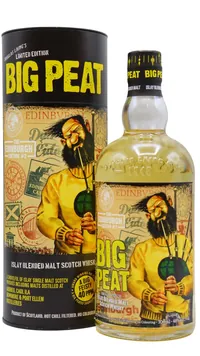
Big Peat The Edinburgh Edition #2 Islay Blended Scotch Whisky
48.0% ABV · 70cl
from £39.95 shelf price 2 retailers
£45.90 delivered
Price gap up to £5.05
Compare prices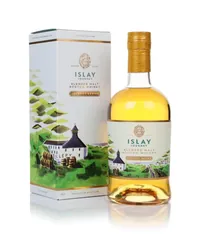
Islay Journey Series Blended Malt
46.0% ABV · 70cl
from £40.95 shelf price 1 retailer
£45.90 delivered
Compare pricesFor smoke only, see peated Islay whisky. New to peat? Try peated whisky for beginners.
How we chose
These picks are not ranked against each other or by rating, and we did not taste them for this guide. We grouped full-size (50cl to 1 litre) Islay bottles by who made them and how the producer describes the peat, and favoured core-range bottles over limited editions, choosing from the UK retailers we checked in our 29 October 2026 catalogue collection. Each named pick shows only while its best price is under £50. Ages and strengths come from the bottle details and producer pages, legal definitions from the Scotch Whisky Regulations 2009; the lines are label facts, not tasting notes. Prices change daily, and the retailer’s checkout price is the one that counts. Read how we compare prices.