On this page
Best premium whisky: what the extra money actually buys
Premium whisky from £100 to £250 and beyond, sorted by what you pay for: age, cask, strength, rarity or the box, with live UK prices.
A premium whisky is usually worth its price when the money goes into the liquid: more years in the cask, expensive casks such as first-fill sherry, bottling at cask strength, or whisky from a small or closed distillery. Old Pulteney 18 Year Old (£95.00 at The Whisky Barrel), Macallan 15 Year Old Double Cask (£135.00 at Tyndrum Whisky) and Redbreast 18 Year Old (£175.00 at Master of Malt) each put the extra money into age or cask. Packaging, a famous name and a heavy box add to the price without changing what is in the glass.
This guide links to retailers. Some links may earn us a commission; picks are based on the price data and the criteria below.
What “premium” means on a whisky label
Nothing, legally. The Scotch Whisky Regulations 2009 protect five category names, from Single Malt Scotch Whisky to Blended Scotch Whisky, and require the category on the front of the bottle. Regulation 12 says an age statement must refer to the youngest whisky in the bottle. “Premium” appears nowhere. Neither do “luxury”, “prestige” or “reserve”, which is why they appear everywhere else.
So the useful question is not whether a bottle calls itself premium but where the extra money went. There are five places it can go, and only four of them are inside the bottle.
Paying for age
Age is the most predictable thing a higher price buys. Every year in the cask costs the distillery evaporation, warehouse space and money tied up in stock that cannot be sold yet. Our guide to why old whisky is expensive sets out those costs, and the age against price study shows how the median price climbs with each age.
The 18 year olds are the usual first step. Old Pulteney 18 Year Old matured first in ex-bourbon American oak and then in first-fill oloroso sherry casks, according to Old Pulteney, and is bottled at 46% ABV. Tamdhu 18 Year Old Sherry Cask Matured (£163.95 at Master of Malt) says its cask on the label and is bottled at 46.8%, the strength Tamdhu gave at its launch. Bowmore 18 Year Old (£124.99 at Master of Malt) brings an Islay malt to the same age at 43%. From Ireland, Redbreast 18 Year Old is a single pot still whiskey at 46%.
Japanese age statements sit in a market of their own, as Japanese whisky in the UK explains. Suntory withdrew Hakushu 12 in 2018 because it did not have the aged stock to keep selling it (why old whisky is expensive). Hakushu 12 Year Old (£129.49 at Master of Malt) is the Japanese example here, a single malt from Suntory’s Hakushu distillery, listed at 43% by the retailers we compare. If the distillery’s 12 is already a favourite, is 18 year old whisky worth it? works out the step up, distillery by distillery.
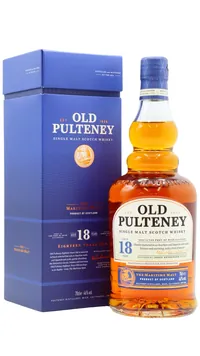
Old Pulteney 18 Year Old
18 years · 46.0% ABV · 70cl
from £95.00 shelf price 5 retailers
£99.95 delivered
Price gap up to £19.95
Compare prices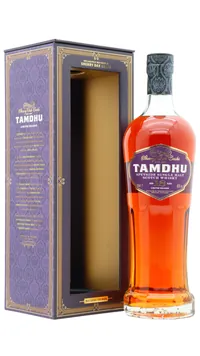
Tamdhu 18 Year Old Sherry Cask Matured Single Malt Whisky
18 years · 46.8% ABV · 70cl
from £163.95 shelf price 4 retailers
£163.95 delivered
Price gap up to £11.05
Compare prices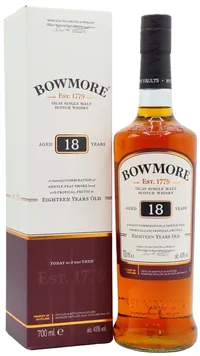
Bowmore 18 Year Old
18 years · 43.0% ABV · 70cl
oloroso, sherry cask · Oloroso · Sherry cask
from £124.99 shelf price 2 retailers
£124.99 delivered
Price gap up to £4.86
Compare prices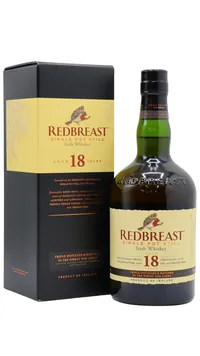
Redbreast 18 Year Old
18 years · 46.0% ABV · 70cl
from £175.00 shelf price 4 retailers
£175.00 delivered
Price gap up to £24.50
Compare prices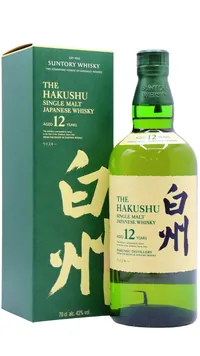
Hakushu 12 Year Old Whisky
12 years · 43.0% ABV · 70cl
from £129.49 shelf price 4 retailers
£129.49 delivered
Price gap up to £20.46
Compare pricesPaying for the cask
A cask is a container with ambitions. An ex-bourbon barrel arrives from America having done its main job and is now looking for steady work. A sherry-seasoned butt is larger, and has spent time in a Spanish bodega being filled with sherry to prepare it for a career in Scotch. It arrives with a better pedigree and an invoice to match: a sherry butt costs a distillery several times what an ex-bourbon barrel does. On the shelf, once age is allowed for, the gap between cask types is much smaller than that, as our price by cask study shows.
Macallan 15 Year Old Double Cask is matured in sherry-seasoned casks of both American and European oak, as Macallan describes it, and bottled at 43%. The Balvenie 21 Year Old PortWood (£220.00 at Tyndrum Whisky) takes a different route: whisky matured in traditional oak and then transferred to casks that held port, according to Balvenie, at 43%. What are sherry casks? covers the difference between a whisky matured in a cask and one finished in it.
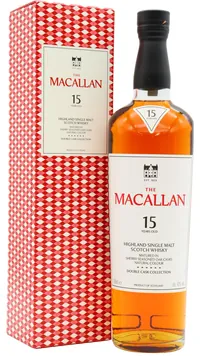
Macallan 15 Year Old Double Cask
15 years · 43.0% ABV · 70cl
multi cask, sherry cask · Sherry cask
from £135.00 shelf price 3 retailers
£135.00 delivered
Price gap up to £1.95
Compare prices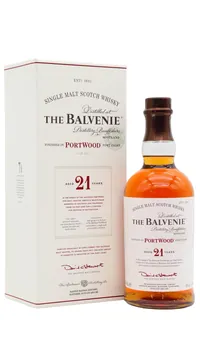
The Balvenie 21 Year Portwood Whisky 70cl
21 years · 40.0% ABV · 70cl
from £220.00 shelf price 5 retailers
£220.00 delivered
Price gap up to £24.95
Compare pricesPaying for strength and rarity
Cask strength whisky is bottled without being cut to the usual 40% to 46%, so the drinker, not the distillery, decides how much water to add. The best cask strength whiskies compares them. Edradour Ballechin 18 Year Old Batch 2 Cask Strength Edition (£135.00 at Master of Malt) is bottled at 57.8%.
Rarity is the harder thing to price. Diageo’s Special Releases are, in Diageo’s words, a “limited annual collection” of natural cask strength whiskies from its distilleries. Lagavulin 12 Year Old Special Release 2023 (£150.00 at Tyndrum Whisky) is bottled at 56.4% and Oban 11 Year Old Special Release 2023 (£150.00 at Master of Malt) at 58%. A limited edition is limited in supply. That is a fact about how many bottles exist, not about what is in them.
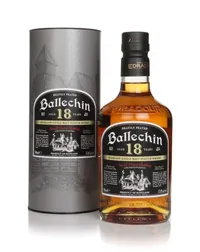
Edradour Ballechin 18 Year Old Batch 2 - Cask Strength Edition Single Malt Whisky
18 years · 57.8% ABV · 70cl
from £135.00 shelf price 1 retailer
£135.00 delivered
Compare prices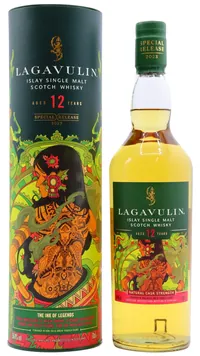
Lagavulin 12 Year Old Special Release 2023
12 years · 56.4% ABV · 70cl
from £150.00 shelf price 2 retailers
£150.00 delivered
Price gap up to £74.95
Compare prices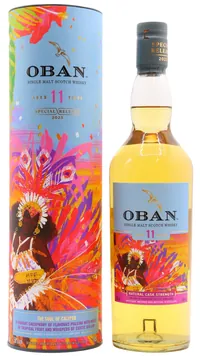
Oban 11 Year Old Special Release 2023
11 years · 58.0% ABV · 70cl
from £150.00 shelf price 2 retailers
£150.00 delivered
Price gap up to £9.95
Compare pricesPaying for the box
At some point in the life of a whisky brand, a meeting is held about the box. Nobody at the meeting is unhappy with the whisky. The concern is that the whisky, being liquid, is rather hard to see in a shop, and that a bottle standing on its own lacks presence. A heavier bottle is proposed. Then a stopper with some weight to it, a magnetic catch, a lining in a colour with a name, and finally a wooden case with a small brass plate, at which point the whisky has acquired more furniture than some flats. All of this is paid for, and none of it is drunk.
To be fair to the box, it does a real job. People give whisky as a present, and a present is supposed to look like one. A sturdy case protects the bottle in the post. The catch is that the box is priced into every bottle, whoever ends up opening it.
The test is to ask what the label says about the liquid. An age, a named cask, a strength above 46% or a distillery that has stopped working are all things the money can be shown to have bought. A decanter, a numbered certificate and the word “rare” are not, although they may sit beside any of them. Johnnie Walker Blue Label (£137.95 at Hard To Find Whisky) is a fair example of a blend that makes its case on selection rather than age: it carries no age statement, is bottled at 40%, and Johnnie Walker says only one in 10,000 casks is chosen for it, some from long-closed distilleries. Whether that is worth the step up from an age-stated malt is a choice the label leaves to the buyer.
Do premium bottles hold their value?
Some people buy premium bottles hoping they will be worth more later. The auction record shows that prices go down as well as up: prices for many whiskies rose quickly between 2018 and 2022, then fell back. At Scotch Whisky Auctions, Whisky Auctioneer and Whisky Hammer, the same official bottlings, sold at the same house, typically fetched less in 2025 than in 2022, the busiest year in these records. Comparing each bottling with itself, the typical Yamazaki bottling fell 50% across 43 bottlings, Macallan 40% across 373, Ardbeg 37%, Springbank 31% and Bowmore 19%. These are hammer prices before commission, VAT and delivery, and the bottling-by-bottling changes are summarised brand by brand, so they say nothing about any single bottle on this page.
The Scotch correction sets out those figures in full, buying whisky at auction vs retail shows what fees add to a hammer price, and the auction data page explains the method and its limits. Past auction results record what sold and when. They are not a forecast of what any bottle will fetch later.
Buying one as a gift
A premium bottle is a common present, and whisky gifts routes by budget and format, with whisky gifts for him and Christmas whisky gifts for those occasions.
Premium whisky by price band
The bottles below come from the £100 to £250 list, sorted by how many retailers sell them. For older single malts, closed-distillery stock and single casks, see whisky over £250, and for the whole band, whisky from £100 to £250.
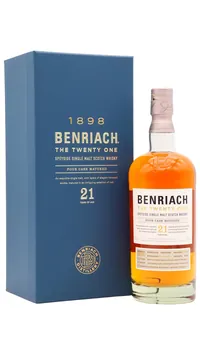
Benriach 21 Year Old The Twenty One
21 years · 46.0% ABV · 70cl
bourbon cask, multi cask, sherry cask, virgin oak, wine cask · Bourbon cask · Multiple cask types · Sherry cask · Virgin oak · Wine cask
from £154.95 shelf price 5 retailers
£154.95 delivered
Price gap up to £10.05
Compare prices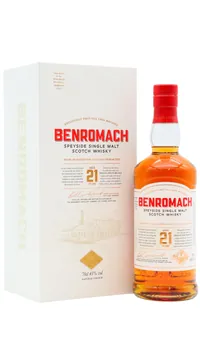
Benromach 21 Year Old Single Malt Whisky
21 years · 43.0% ABV · 70cl
from £134.95 shelf price 5 retailers
£134.95 delivered
Price gap up to £22.05
Compare prices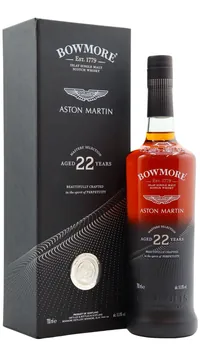
Bowmore Aston Martin 22 Year Old Masters Selection 3 Limited Edition Islay Single Malt Scotch Whisky 70cl
22 years · 51.0% ABV · 70cl
from £225.00 shelf price 5 retailers
£225.00 delivered
Price gap up to £10.00
Compare prices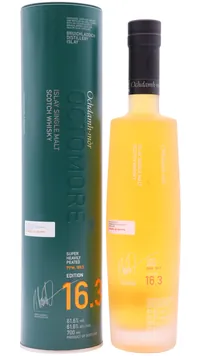
Bruichladdich Octomore 16.3 Bourbon, Sauternes and Pedro Ximenez Cask
5 years · 61.6% ABV · 70cl
from £189.00 shelf price 5 retailers
£189.00 delivered
Price gap up to £6.00
Compare prices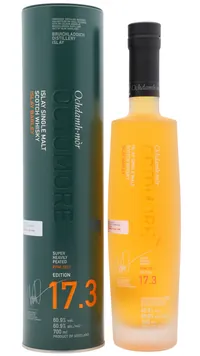
Bruichladdich Octomore 17.3
60.9% ABV · 70cl
from £175.00 shelf price 5 retailers
£175.00 delivered
Price gap up to £24.95
Compare prices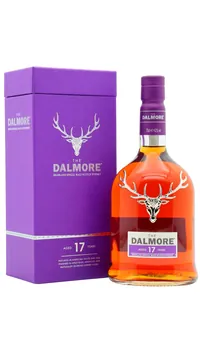
Dalmore 17 Year Old
17 years · 42.0% ABV · 70cl
from £154.00 shelf price 5 retailers
£154.00 delivered
Price gap up to £16.00
Compare prices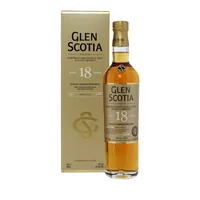
Glen Scotia 18 Year Old Campbeltown Single Malt Scotch Whisky 70cl
18 years · 46.0% ABV · 70cl
from £115.00 shelf price 5 retailers
£115.00 delivered
Price gap up to £24.00
Compare prices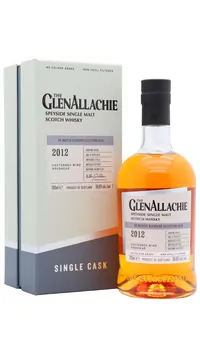
Glenallachie 2012 14 Year Old Sauternes Single Cask #805561 Limited Edition Single Cask Speyside Single Malt Scotch Whisky 70cl
14 years · 59.8% ABV · 70cl
from £109.99 shelf price 5 retailers
£109.99 delivered
Price gap up to £8.01
Compare pricesHow we chose
Picks are full-size bottles that, when this guide was reviewed on 19 November 2026, were on sale at two or more of the UK retailers we compare. They were chosen so that each section shows one thing the extra money can buy, across Scotch, Irish and Japanese whisky. We compare prices, not flavour: nothing here is a tasting verdict, and the live price beside each bottle is the one that counts. Read how we compare prices.
Sources and review
Questions
Is "premium" a legal term on whisky labels?
Why is older whisky more expensive?
What is a Diageo Special Release?
Does Johnnie Walker Blue Label have an age statement?
About the author
