On this page
Cognac and Armagnac for beginners: a whisky drinker's guide
How Cognac and Armagnac are made, what VS, VSOP and XO mean, how the regions differ and what a whisky drinker should look for on a first bottle.
Cognac and Armagnac are both brandies made by distilling white wine and ageing it in French oak, from two regions of south-west France. Cognac comes from around the Charente river, is made mostly from one grape, Ugni Blanc, and is double distilled in copper pot stills, the method closest to malt whisky. Armagnac comes from Gascony, can use ten grape varieties and is usually distilled once in a small column still, then often sold as a single vintage. For a whisky drinker the same buying rules apply to both: look for a stated age or vintage, a named growing area, a strength above 40% ABV and a label that says there is no added colour or sugar.
Cognac and Armagnac at a glance
On smaller screens, scroll sideways to see every column.
| Cognac | Armagnac | |
|---|---|---|
| Region | Mostly Charente and Charente-Maritime, with parts of Dordogne and Deux-Sèvres | Gascony, mostly in the Gers, around Eauze and Condom |
| Growing areas | Six crus, from Grande Champagne to Bois Ordinaires | Three: Bas-Armagnac, Armagnac-Ténarèze and Haut-Armagnac |
| Main grapes | Ugni Blanc, which makes up almost all of it | Ugni Blanc, Baco 22A, Folle Blanche and Colombard, from ten allowed |
| Distillation | Twice, in a Charentais copper pot still | Usually once, in a small Armagnac column still; double distillation is allowed |
| Minimum age in oak | Two years | One year |
| Minimum strength | 40% ABV | 40% ABV |
| Usual release | Blends labelled VS, VSOP or XO | Age-graded blends and single vintages |
A short history
Armagnac has the older written record. A treatise attributed to Vital du Four, a Franciscan scholar, in the early 14th century lists the virtues of a spirit distilled in Gascony, and like early whisky it was first a medicine. Wine brandy became a trade in the 16th and 17th centuries, when Dutch merchants buying wine on the Atlantic coast distilled it to save space and keep it stable at sea. Their word for it, brandewijn or “burnt wine”, gave English the word brandy.
Cognac’s market grew through Britain and Ireland. Several of the houses still trading were founded in the 18th century by men from Ireland, Jersey and England, among them Hennessy, Martell and Hine. Phylloxera, an aphid from America that eats vine roots, destroyed most of both regions’ vineyards in the late 19th century, reaching Cognac in 1879 and Armagnac in 1893, and much of the land was turned over to other crops. Armagnac’s vineyards are a small fraction of their 1880s size. Cognac was among the first appellations created in France in May 1936, and Armagnac followed in August of the same year.
Today almost all Cognac is sold outside France. Armagnac is much smaller and has fewer large brands, which is one reason it is still mostly made and bottled by families on their own estates.
Where they are made
The six crus of Cognac
The Cognac appellation is divided into crus by soil. They were ranked by how well their brandy ages, not by a judgement on flavour, and good Cognac is made in all of them.
- Grande Champagne, around Segonzac, has thin soil over soft chalk and the reputation for the longest-lived brandy.
- Petite Champagne surrounds it to the south and west, on chalk that is less deep.
- Borderies, north of the town of Cognac, is the smallest cru. Its brandy is known for floral notes, often described as violet, and for maturing sooner.
- Fins Bois is the largest cru by volume.
- Bons Bois and Bois Ordinaires are further out, with more clay and sand, and Bois Ordinaires reaches the Atlantic coast and the Île de Ré.
“Champagne” here comes from the same root as the sparkling wine region, a word for chalky open country, but the two have no other link. Fine Champagne on a label means a blend of Grande and Petite Champagne with at least half from Grande Champagne. A Cognac from one cru may name it; a blend of other crus is simply Cognac.
The three areas of Armagnac
- Bas-Armagnac, in the west, has most of the vineyards. Its sandy soils, called sables fauves or tawny sands, are associated with finer, fruitier brandy.
- Armagnac-Ténarèze, in the middle, has more clay and limestone and a reputation for fuller, spicier brandy that needs longer in cask.
- Haut-Armagnac, in the east and south, now has only scattered vineyards, though a few estates still distil there.
How they are made
Both start as a thin, acidic white wine, usually between about 7% and 12% ABV, fermented after the harvest in September and October, and it is distilled through the winter. Distillation for both must end by 31 March of the year after the harvest. In Cognac, some producers distil the wine on its lees, the spent yeast, for a heavier spirit, and others distil clearer wine for a lighter one. Armagnac must be distilled without the heavy lees but with the fine lees left in.
Cognac: double distillation in pot stills
Cognac is distilled twice in a Charentais still, a copper pot still with a slim neck that is usually condensed in a coiled pipe in a tank of cold water, much like a Scottish worm tub. Many have a chauffe-vin, a tank where the hot vapour pipe pre-warms the next batch of wine. The pot for the second distillation may hold no more than 30 hectolitres. The first run gives a brouillis of about 28 to 32% ABV, and the second gives the heart, the bonne chauffe, at around 70%. Anyone who knows how a malt whisky distillery works will recognise the method; our guide to batch pot distillation covers the whisky side.
Armagnac: one pass through a small column
Most Armagnac goes through an alambic armagnacais, a small continuous column still, often only a few metres tall, with a handful of plates. Many estates do not own one and hire a travelling distiller, who tows a still from farm to farm through the winter. The spirit usually leaves the column at around 52 to 62% ABV, much lower than the 90% and more of a grain whisky column, so it keeps more of the wine’s flavour and weight. A column still in Armagnac is not a sign of a neutral spirit. A minority of producers double distil in pot stills, which the rules allow.
How they are aged
Cognac must spend at least two years in oak and Armagnac at least one. The casks are oak, usually French, from forests such as Limousin, Tronçais and, for Armagnac, Gascony. Limousin oak has a wider grain and gives more tannin; Tronçais is tighter grained and gives less.
The order of casks is the reverse of much modern whisky. A French brandy usually starts in new or nearly new oak for its first year or two, until the cellar master judges the wood has given enough, and is then moved into old, tired casks called fûts roux for the long middle of its life. Many whiskies spend most of their life in refill casks and gain flavour from an active cask, often a wine cask, only at the end. In an interview with Dramface, the whisky taster Serge Valentin named this ordering as the main thing Scotch could learn from French brandy.
Very old brandy is often moved from cask into glass demijohns, where it barely changes, and stored in a locked part of the cellar called the paradis. Cellars are described as wet or dry. A damp cellar loses more alcohol than water, so the spirit softens and drops in strength; a dry cellar loses more water. Most houses use both and blend the results.
Early landed Cognac was shipped young to Britain and aged in damp bonded warehouses, which gave a paler, more delicate brandy. The term is still used for Cognac aged for at least two years in the appellation and then in a British bonded warehouse. Hine is the house best known for it, and some independent bottlers release early landed casks.
Reading the label
Age grades
The grade is a minimum age in oak for the youngest brandy in the blend. As with a whisky age statement, older brandy is often in there too. The rules are set by each appellation and explained by its trade body, the BNIC for Cognac and the BNIA for Armagnac.
On smaller screens, scroll sideways to see every column.
| Label | Cognac minimum in oak | Armagnac minimum in oak |
|---|---|---|
| VS, Very Special, three stars | 2 years | 1 year |
| VSOP, Réserve | 4 years | 4 years |
| Napoléon, Très Vieille Réserve | 6 years | 6 years |
| XO | 10 years | 10 years |
| Hors d’Âge | 10 years | More than 10 years |
| XXO | 14 years | Not used |
VSOP stands for Very Superior Old Pale, a phrase from the British trade. Our guide to whisky age statements explains how the whisky rules compare.
Vintages
Armagnac is often bottled by vintage, from a single year’s harvest, and a cask may be bottled in part and the rest left to age. Vintage Cognac is less common because the casks must be kept under seal and checked by the appellation’s inspectors, at the producer’s cost. Some small producers and independent bottlers print only the last two digits of the year instead, such as “Lot 67”, on a brandy sold without that official control.
Additives
Both appellations allow three adjustments before bottling: caramel colouring, a small dose of sugar syrup, and boisé, a liquid made by steeping oak chips in water or brandy. Large houses use them to keep a brand the same from batch to batch, in the way most blended Scotch uses spirit caramel. The label does not have to say so. Producers who leave them out usually do say so, often alongside “non chill filtered” and a cask strength, and those are the bottles closest to an independent single malt.
Who makes it
The Cognac trade works like blended Scotch. The large houses, such as Hennessy, Martell, Rémy Martin and Courvoisier, own some stills, but buy most of their new spirit from thousands of growers who distil their own wine, then age and blend it. Smaller négociants work the same way at a smaller scale. Growers who sell their own Cognac under their own name, from vines they farm, are the brandy equivalent of an estate distillery.
Independent bottlers have grown in the same way they have in whisky; our guide to independent bottlers explains the model. Ainsley Fife’s Cognac and Armagnac primer for Dramface suggests names to look for.
- For Cognac it names Guilhem Grosperrin, one of the first to release single-cask, cask-strength Cognac without additives, along with Through the Grapevine, Jean-Luc Pasquet, Vallein Tercinier, Fanny Fougerat, Lhéraud, Michel Forgeron and Prunier. Delamain is the one large house it singles out, for its small batches at 45 to 50% ABV.
- For Armagnac it names the estates Domaine d’Aurensan, which grows all ten permitted grapes, Domaine de Pellehaut, Domaine de Charron and Château de Gaube, the small-batch, higher-strength releases of Domaine du Tariquet, Dartigalongue and Darroze, and the bottlers L’Encantada, Le Passeur, Hootch and Version Française.
Several whisky bottlers have released Cognac or Armagnac too, including Cadenhead’s, Thompson Bros and Decadent Drinks, so a whisky shop is a reasonable place to start looking.
How the two styles differ in the glass
Style depends on the producer as much as on the region, so treat this as a starting point. Serge Valentin, who reviews both on Whiskyfun, told Dramface that traditional Armagnac tends to be more rustic and Cognac more refined and fruity, summed up as “prunes and coffee versus peaches and yellow flowers”, and that the two have been growing closer. Within Armagnac, Bas-Armagnac is associated with fruitier brandy and Ténarèze with spicier, heavier brandy.
Strength matters as it does with whisky. Armagnac is often filled into cask at around 55% ABV and loses strength over decades in damp cellars, so an old Armagnac at 43 to 45% ABV may be close to its natural strength.
Related drinks from the same regions
- Blanche Armagnac is unaged Armagnac with its own appellation, made mainly for cocktails.
- Pineau des Charentes and Floc de Gascogne are mistelles: young Cognac or Armagnac added to fresh grape juice before it ferments, then aged in cask. Pineau casks are used to finish some whisky, such as Balvenie 16 Year Old French Oak.
- Grand Marnier is an orange liqueur made with Cognac.
- Calvados is a different spirit: apple and pear brandy from Normandy.
Where whisky meets French brandy
A number of whiskies are finished or matured in casks that held Cognac or Armagnac. Our whisky for Cognac and brandy lovers guide picks whiskies with the same French oak and dried fruit, and the brandy-cask bottles below come from the retailers we check.
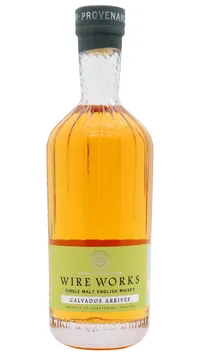
White Peak Wire Works - Calvados Arrivee English Single Malt Whisky
49.2% ABV · 70cl
from £64.95 shelf price 4 retailers
£69.90 delivered
Price gap up to £6.05
Compare prices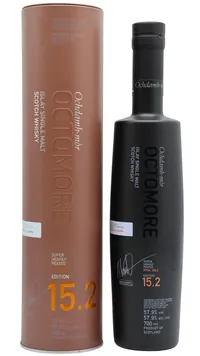
Bruichladdich Octomore 15.2 Whisky 70cl
57.9% ABV · 70cl
from £149.99 shelf price 3 retailers
£149.99 delivered
Price gap up to £24.96
Compare prices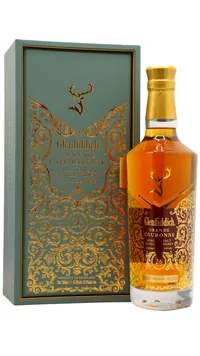
Glenfiddich Grande Couronne 26 Year Old
26 years · 43.8% ABV · 70cl
from £468.95 shelf price 3 retailers
£468.95 delivered
Price gap up to £46.00
Compare prices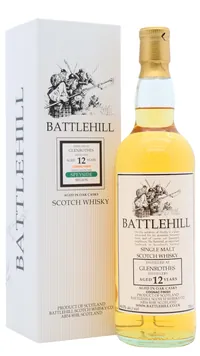
Battlehill Glenrothes 2009 12 Year Old
12 years · 46.0% ABV · 70cl
from £72.50 shelf price 2 retailers
£77.00 delivered
Price gap up to £7.45
Compare prices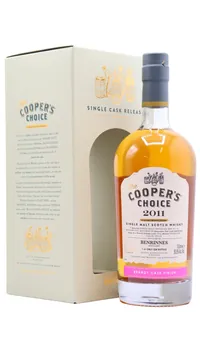
Benrinnes 11 Year Old 2011 - The Cooper's Choice Single Malt Whisky
11 years · 70cl
from £73.95 shelf price 2 retailers
£78.90 delivered
Price gap up to £16.00
Compare prices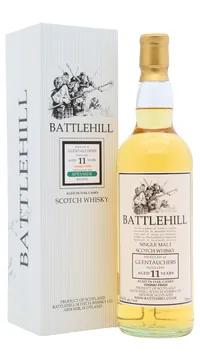
Glentauchers 2011 11 Year Old, Cognac Cask
11 years · 46.0% ABV · 70cl
from £62.00 shelf price 2 retailers
£66.50 delivered
Price gap up to £3.95
Compare pricesQuestions
What is the difference between Cognac and Armagnac?
What do VS, VSOP and XO mean on Cognac?
Is Cognac or Armagnac closer to Scotch malt whisky?
Do Cognac and Armagnac contain added sugar or caramel?
What does Fine Champagne mean on a Cognac label?
What should a whisky drinker look for in a first bottle of Armagnac or Cognac?
About the author
