On this page
Is 18 year old whisky worth it?
How much more an 18 year old costs than the 12 from the same distillery, using current UK prices, and when the step up makes sense for the drinker.
Across the 8 distilleries where we priced both the official 12 and 18 Year Old on 14 October 2026, the 18 cost between 1.8 and 4.8 times the 12, with a typical step of 2.6 times. Whether six more years in oak are worth that is your call; here is what the step looks like, distillery by distillery.
This guide links to retailers. Some links may earn us a commission; picks are based on the price data and the criteria below.
How we compared
We took official, non-limited 12 and 18 Year Old bottlings from the same distillery: full-size bottles, in stock, with a current price at one of the UK retailers we check on 14 October 2026. Names including “cask strength”, “edition”, a vintage year or similar were excluded, so each pair sits in the same range. The ratio is the lowest in-stock offer for the 18 divided by the lowest for the 12. Loch Fyne Whiskies and The Whisky Shop share an owner, so we count them as one retailer.
We compare prices, not flavour. We have not tasted these bottles for this guide, and nothing below is a verdict on which whisky is better.
The price step, distillery by distillery
The ratios below are from our 14 October 2026 check. The live prices render with their retailer and check time, so where the ratio looks stale, trust the figures.
- Jura: Jura 12 Year Old (£33.50 at Master of Malt) against Jura 18 Year Old (£60.00 at The Whisky Shop): the smallest step we found, at 1.8 times.
- Deanston: Deanston 12 Year Old (£35.95 at Master of Malt) against Deanston 18 Year Old (£79.95 at Master of Malt): 2.2 times.
- Old Pulteney: Old Pulteney 12 Year Old (£29.95 at Hard To Find Whisky) against Old Pulteney 18 Year Old (£95.00 at The Whisky Barrel): 2.4 times.
- Bunnahabhain: Bunnahabhain 12 Year Old (£41.39 at Master of Malt) against Bunnahabhain 18 Year Old (£120.00 at The Whisky Shop): 2.6 times.
- Glenfiddich: Glenfiddich 12 Year Old (£36.96 at Master of Malt) against Glenfiddich 18 Year Old (£99.50 at Loch Fyne Whiskies): 2.7 times. The 18 currently has a single offer among the shops we check.
- The Glenlivet: The Glenlivet 12 Year Old (£34.95 at Hard To Find Whisky) against The Glenlivet 18 Year Old (£100.00 at The Whisky Shop): 2.7 times.
- Bowmore: Bowmore 12 Year Old (currently unavailable) against Bowmore 18 Year Old (£124.99 at Master of Malt): 3.1 times. Both bottles currently have a single offer each, so this ratio rests on thin data.
- Yamazaki: Yamazaki 12 Year Old (£120.00 at The Whisky Shop) against Yamazaki 18 Year Old (£589.00 at Master of Malt): 4.8 times, the largest step. Age-stated Japanese whisky is its own market; see Japanese whisky in the UK.
Where a distillery’s 12 and 18 are stocked by several shops, the bottle pages also show how much the ratio moves between retailers.

Jura 12 Year Old
12 years · 40.0% ABV · 70cl
from £33.50 3 retailers
£38.45 delivered
Save up to £0.50
Compare prices
Jura 18 Year Old
18 years · 44.0% ABV · 70cl
from £60.00 2 retailers
£64.99 delivered
Save up to £16.50
Compare prices
The Glenlivet 12 Year Old
12 years · 40.0% ABV · 70cl
from £34.95 4 retailers
£40.90 delivered
Save up to £6.05
Compare prices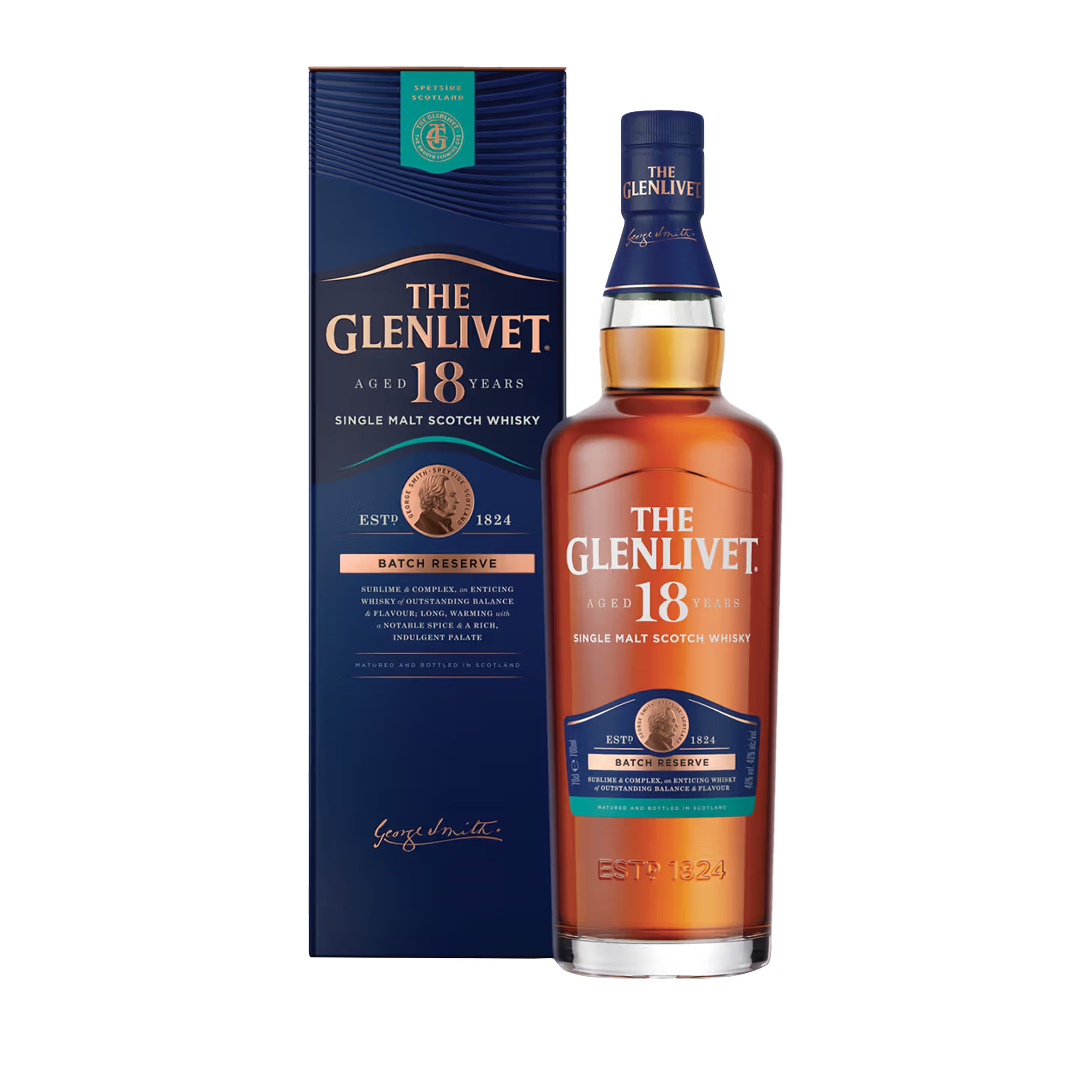
The Glenlivet 18 Year Old
18 years · 40.0% ABV · 70cl
from £100.00 2 retailers
£100.00 delivered
Compare pricesWhat the extra years change
Six more years means six more years of cask, warehouse and evaporation: some of the whisky is lost to the air each year, which is one reason older stock costs more. Whiskipedia’s guide to the angel’s share explains the loss, and its whisky maturation guide covers what the cask does over time. Older stock is also scarcer by definition. What those years do to flavour is a matter of taste, and sellers’ descriptions of older whisky as smoother are taste claims we cannot test, so we do not make them.
The middle step: 15 year olds
There is a rung between the 12 and the 18. At the same check, across 9 distilleries with an official 12 and 15 both priced, the 15 cost between 1.3 and 2.2 times the 12, typically 1.8 times. Examples: GlenAllachie 15 Year Old (£67.95 at Hard To Find Whisky), The Glenlivet 15 Year Old (£53.95 at Master of Malt), Tamdhu 15 Year Old Sherry Cask Matured (£90.95 at The Whisky Barrel) and Bowmore 15 Year Old (£73.95 at Master of Malt).

GlenAllachie 15 Year Old Single Malt Whisky
15 years · 46.0% ABV · 70cl
from £67.95 4 retailers
£73.90 delivered
Save up to £15.04
Compare prices
The Glenlivet 15 Year Old
15 years · 40.0% ABV · 70cl
from £53.95 4 retailers
£58.90 delivered
Save up to £20.05
Compare prices
Tamdhu 15 Year Old Sherry Cask Matured Single Malt Whisky
15 years · 46.0% ABV · 70cl
from £90.95 5 retailers
£95.90 delivered
Save up to £4.05
Compare prices
Bowmore 15 Year Old
15 years · 43.0% ABV · 70cl
from £73.95 2 retailers
£78.90 delivered
Save up to £10.05
Compare pricesWhen the step up makes sense
The case for the 18 is strongest when you already know and like the distillery’s 12: you are buying more time in wood from the same house, which is the most predictable upgrade there is. It also works as a gift for an adult who already drinks the 12, since the comparison is built in. One practical point from our data: most of the 18s cost enough on their own to qualify for free standard delivery at the shops we check, while most of the 12s do not, so the delivered gap runs slightly narrower than the shelf gap.
The case against is in the ratios above. Where the step is three times or more, the distillery’s 15 narrows it, and a different cask at 12 year old money, a sherry finish say, changes the glass more than it changes the bank balance. If the budget is fixed, the 12 year old, 15 year old and 18 year old selections show every bottle we track at each age.
How we chose: check date and coverage
We compared in-stock offers from Abbey Whisky, DrinkSupermarket.com, Hard To Find Whisky, Loch Fyne Whiskies, Milroy’s of Soho, The Whisky Shop, Tyndrum Whisky and Whisky Me in our October 2026 catalogue checks. Loch Fyne Whiskies and The Whisky Shop count as one owner. Prices and stock change; the live table on each bottle page is current, and the retailer’s checkout price is the one that counts. Read how we compare prices.
Questions
Why does 18 year old whisky cost more to make than 12 year old?
Does the age on the label mean every drop is that old?
What does six extra years in the cask do to whisky flavour?
Does 15-year-old whisky bridge the gap between 12 and 18?
About the author
