On this page
Supermarket whisky vs specialist prices
What supermarket-staple whiskies cost at UK specialist retailers, delivered, against the supermarket shelf price, and who makes the own labels.
We do not track supermarket prices, so this page cannot tell you which supermarket has the lowest prices this week. What it can do is show what the staple bottles on supermarket shelves cost at the UK specialist retailers we check, delivered, so you can compare that figure with the shelf price in front of you.
This guide links to retailers. Some links may earn us a commission; picks are based on the price data and the criteria below.
How we chose
We took brands commonly stocked in UK supermarkets, a judgement call rather than a measured shelf audit, and pulled the full-size bottles (70cl or 1L) in stock at the specialist retailers we check in October 2026. Prices render from live data with their retailer and check time. We never print a supermarket price, because we do not collect them.
Staple blends
Blended Scotch and Irish blends are the backbone of the supermarket fixture, and they are also where the specialists we check are most competitive.
Johnnie Walker Red Label: £21.19 at Master of Malt. A 70cl blended Scotch at 40% ABV with no age statement. Several retailers stock it.
Chivas Regal 12 Year Blended Scotch Whisky: £29.95 at Hard To Find Whisky. A 12-year-old blend at 40% ABV. Several retailers stock it, and the gap between the lowest and highest price was wide when we checked.
Famous Grouse Blended Whisky Litre: £25.50 at Master of Malt. The 1L bottle at 40% ABV, so compare it against the litre price on the shelf, not the 70cl one.
Jameson Irish Whiskey: £23.40 at Master of Malt and Tullamore DEW: £24.09 at Master of Malt. The two big Irish blends, both 40% ABV, both stocked by several of the retailers we check.

Johnnie Walker Red Label
40.0% ABV · 70cl
from £21.19 4 retailers
£26.14 delivered
Save up to £3.76
Compare prices
Chivas Regal 12 Year Blended Scotch Whisky 70cl
12 years · 40.0% ABV · 70cl
from £29.95 4 retailers
£35.90 delivered
Save up to £9.05
Compare prices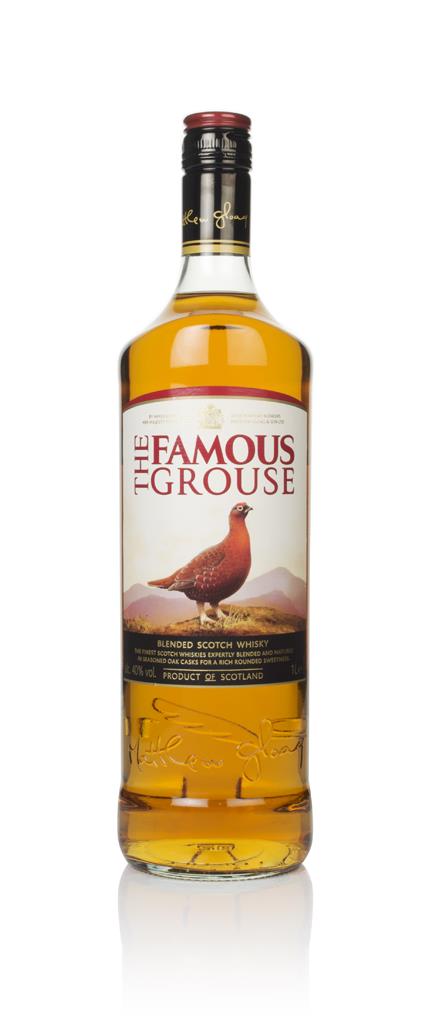
Famous Grouse Blended Whisky Litre 100cl
40.0% ABV · 100cl
from £25.50 1 retailer
£30.45 delivered
Compare prices
Jameson Irish Whiskey
40.0% ABV · 70cl
from £23.40 4 retailers
£28.35 delivered
Save up to £4.55
Compare prices
Tullamore DEW
40.0% ABV · 70cl
from £24.09 4 retailers
£29.04 delivered
Save up to £2.91
Compare prices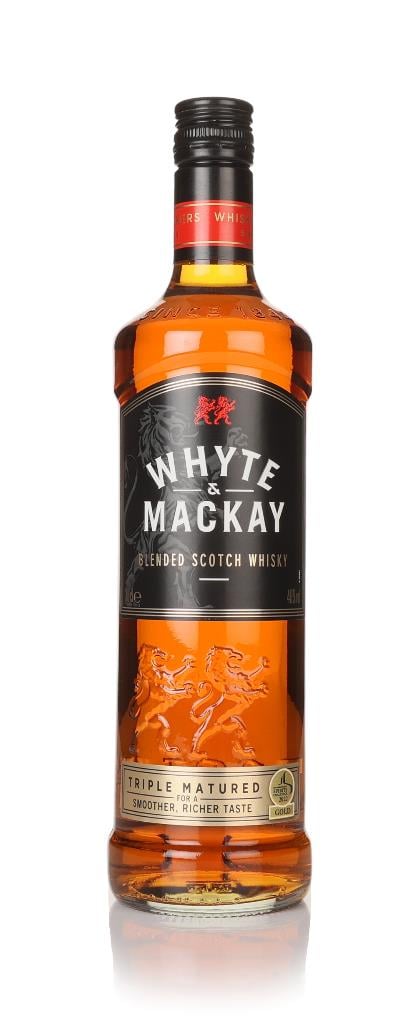
Whyte & Mackay Blended Scotch Whisky 70cl
40.0% ABV · 70cl
from £19.50 1 retailer
£24.45 delivered
Compare pricesStaple single malts
Glenfiddich 12 Year Old: £36.96 at Master of Malt. A 12-year-old Speyside single malt at 40% ABV, stocked by more of the retailers we check than any other bottle on this page.
The Glenlivet 12 Year Old: £34.95 at Hard To Find Whisky. A 12-year-old Speyside single malt at 40% ABV.
Singleton of Dufftown 12 Year Old: £47.95 at Hard To Find Whisky. A 12-year-old Speyside single malt at 40% ABV.
Talisker 10 Year Old: £39.15 at Master of Malt. A 10-year-old single malt from Skye at 45.8% ABV, peated by house style rather than a label claim.
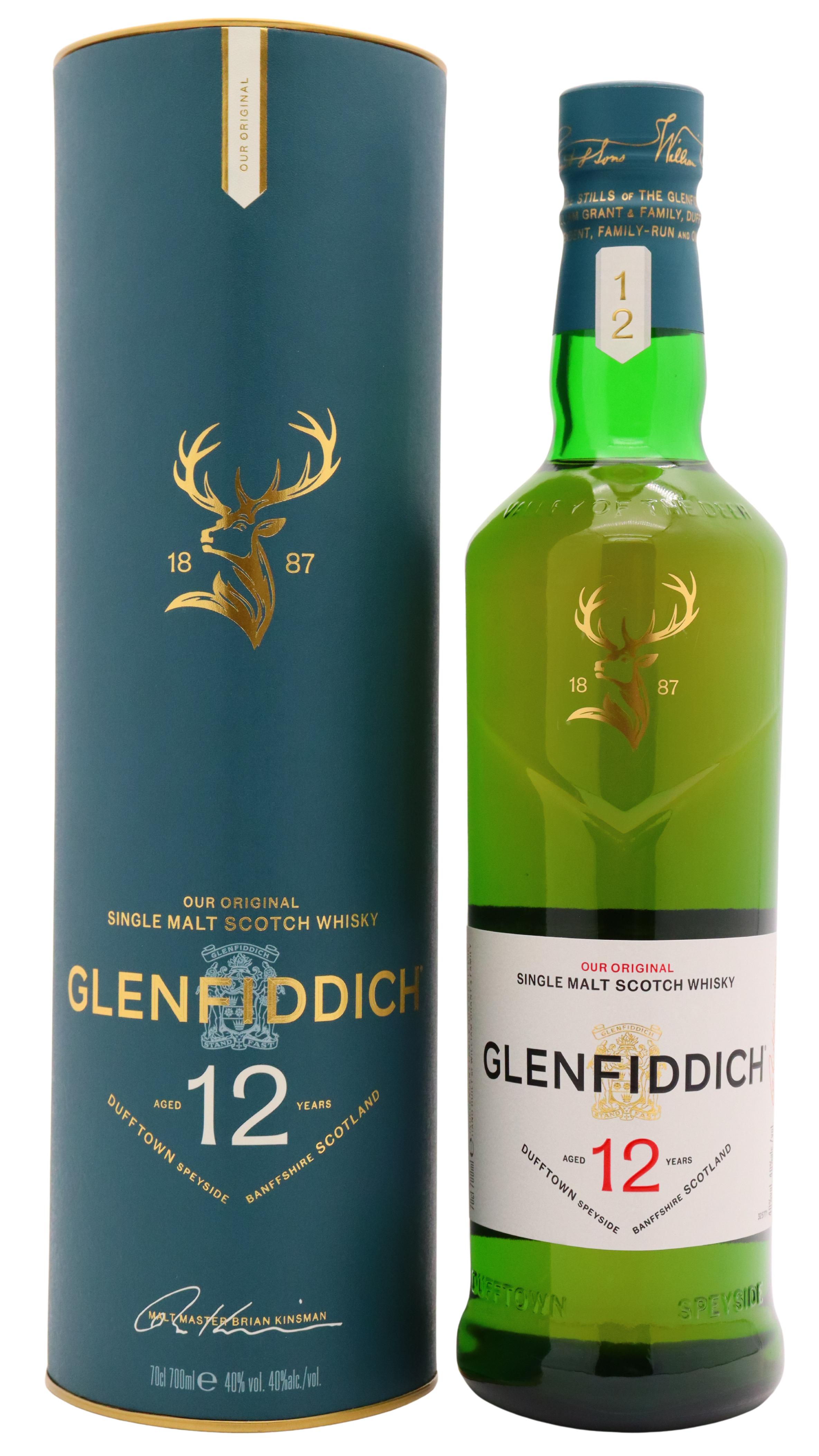
Glenfiddich 12 Year Old
12 years · 40.0% ABV · 70cl
from £36.96 4 retailers
£41.91 delivered
Save up to £9.04
Compare prices
The Glenlivet 12 Year Old
12 years · 40.0% ABV · 70cl
from £34.95 4 retailers
£40.90 delivered
Save up to £6.05
Compare prices
Singleton of Dufftown 12 Year Old
12 years · 40.0% ABV · 70cl
from £47.95 3 retailers
£53.90 delivered
Save up to £1.05
Compare prices
Talisker 10 Year Old
10 years · 45.8% ABV · 70cl
from £39.15 5 retailers
£44.10 delivered
Save up to £12.80
Compare pricesBourbon and Tennessee
Jim Beam: £19.50 at Master of Malt. A 70cl Kentucky straight bourbon at 40% ABV. Jim Beam says the White Label is aged for four years.
Jack Daniel’s Old No. 7 Tennessee Whiskey: currently unavailable. A Tennessee whiskey at 40% ABV.
Maker’s Mark Bourbon: £35.00 at The Whisky Shop. A Kentucky straight bourbon at 45% ABV, made with red winter wheat as the flavouring grain.
Four Roses Bourbon: £23.95 at Master of Malt. A Kentucky straight bourbon at 40% ABV.
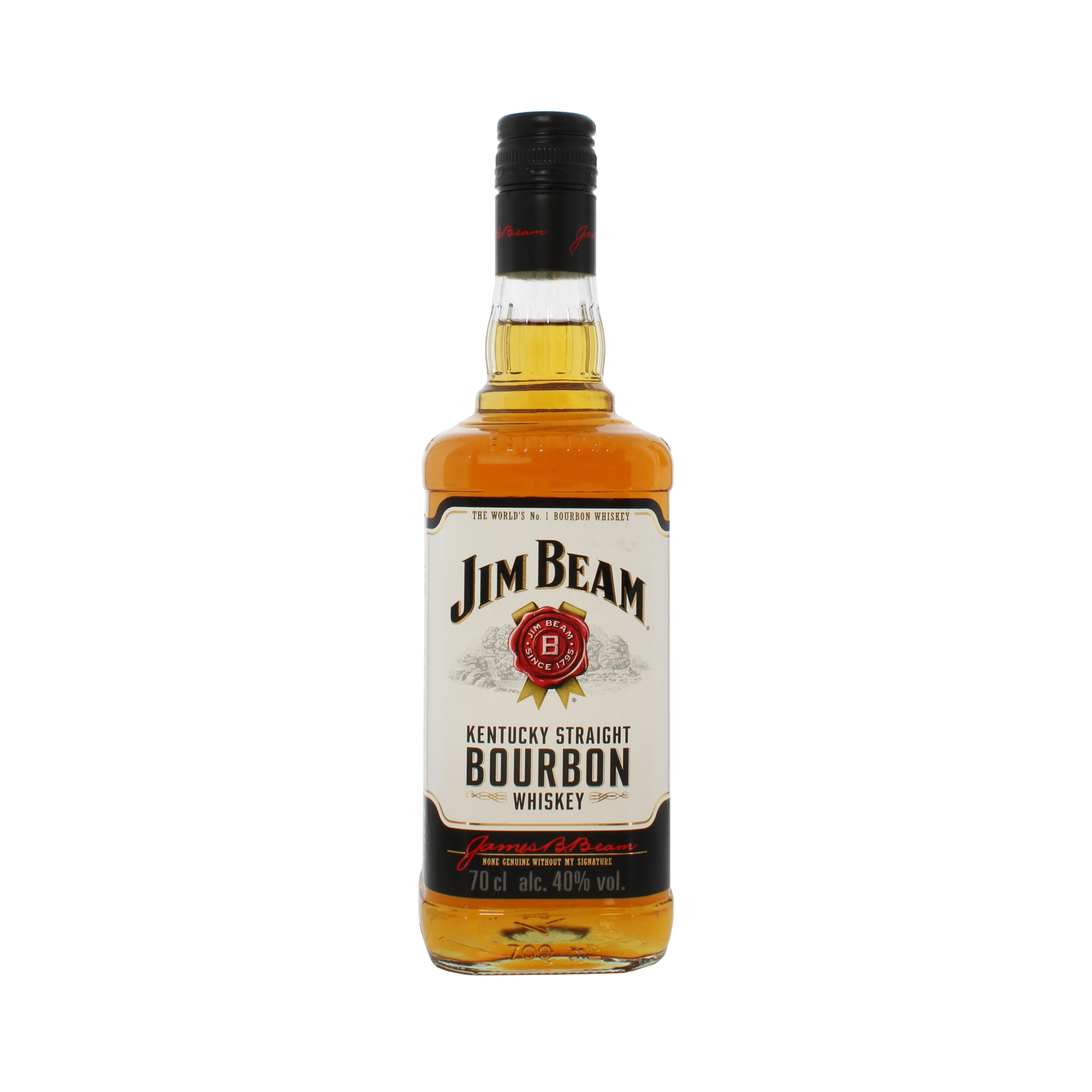
Jim Beam
40.0% ABV · 70cl
from £19.50 3 retailers
£24.45 delivered
Save up to £0.50
Compare prices
Maker's Mark Bourbon
45.0% ABV · 70cl
from £35.00 2 retailers
£39.99 delivered
Compare prices
Four Roses Bourbon
40.0% ABV · 70cl
from £23.95 4 retailers
£28.90 delivered
Save up to £13.05
Compare pricesOwn-label whiskies
Aldi’s Glen Marnoch and Highland Black and Lidl’s Ben Bracken appear in most supermarket whisky round-ups. We do not track own-label bottles, so we cannot price or compare them, and nothing on this page is a verdict on them. What we can explain is how they are made.
Supermarkets do not own distilleries or warehouses. They buy whisky from distillers, blenders and bottlers under contract, and the supplier is rarely named on the label. Companies with a known own-label business include Ian Macleod Distillers, owner of Glengoyne, Tamdhu and Rosebank, which Whiskipedia’s profile describes as a supplier of own-label spirits to some of Europe’s largest supermarket groups for over 40 years. Lidl’s Queen Margot blend was created for the chain by Whyte & Mackay, owner of Dalmore, Jura and Fettercairn, per Whiskipedia’s Queen Margot entry. Angus Dundee, owner of Tomintoul and Glencadam, runs an own-label and bulk business with a bottling plant at Coatbridge (company profile). In Ireland, the Great Northern Distillery in Dundalk, founded by John Teeling and distilling since 2015, describes its own business as bulk whiskey, private-label and retail own-brand production.
Names such as Ben Bracken and Glen Marnoch are brands registered to the retailers; there is no Ben Bracken or Glen Marnoch distillery. Two rules shape that. Regulation 9 of the Scotch Whisky Regulations 2009 stops a distillery’s name being used as a brand name unless the whisky was wholly distilled there, and distilleries that sell bulk whisky usually refuse to let their trade mark appear on a cheaper bottle. So the label gives an invented name or a plain regional description such as “Islay Single Malt Scotch Whisky”, which is allowed because the whisky was distilled in that region; “single malt” still means it all came from one distillery, just not a named one.
Because the contracts run for a few years at a time, the spirit inside an own-label bottle can change when the supplier changes, and the label does not have to say. A branded core bottling such as Glenfiddich 12 is blended from many casks to taste the same each batch; an own-label bottling depends on which parcels its supplier secured, so one year’s bottling may not match the last.
When the specialist wins and when it doesn’t
A single bottle below a retailer’s free-delivery threshold pays a delivery charge, roughly £4.50 to £5.99 on the policies we hold, checked 23 October 2026. That charge can exceed any saving over the supermarket shelf price, so compare the delivered figure, not the shelf figure. Supermarket promotions can and do undercut the specialists we check on staple blends; for bottles the supermarkets do not stock, a specialist is the only option.
Retailers and check date
We compared in-stock offers from Master of Malt, Milroy’s of Soho, The Bottle Club, VIP Bottles and Whisky-Online in our catalogue check of 23 to 28 October 2026. Prices and stock change; the live table on each bottle page is current, and the retailer’s checkout price is the one that counts. Read how we compare prices. The blended whisky selection and the under £30 and £30 to £50 price bands list every related bottle we track.
Questions
Who distils supermarket own-label whisky?
Why do supermarket whiskies often come in 1-litre bottles?
How does minimum unit pricing affect supermarket whisky?
What is the difference between supermarket blends and single malts?
About the author
