On this page
Sherry casks in whisky: seasoning, oloroso and PX
What a sherry-seasoned cask is, how Oloroso and Pedro Ximénez differ, and how to tell full sherry maturation from a sherry finish on a label.
A sherry cask is an oak cask that has held sherry before whisky goes into it. Most casks sold for whisky today are seasoned with sherry for that purpose, rather than being old shipping casks, and the label is the only place that tells you how a given bottle used them: for its whole maturation, or as a finish. Browse sherry cask whisky and Oloroso cask whisky to compare bottles that name the cask.
From transport casks to seasoned casks
Sherry was once shipped to Britain in oak casks, and whisky makers reused them once the wine had been bottled. Whiskipedia’s guide to sherry casks explains that, with the end of shipping sherry in cask, those transport casks are no longer readily available.
Their replacement is the seasoned cask: a cask filled with sherry by a bodega to season the wood, then emptied and sold for maturing spirit. Since 2015, the sherry Denomination’s governing body, the Consejo Regulador, has offered a certification for sherry casks that guarantees a cask was seasoned with genuine sherry from the Denomination, with a seal and traceability for the cask and the wine used to season it. Seasoning periods and wine types vary by cooperage and buyer, so a label or producer statement is the evidence for any particular cask.
Is this allowed in Scotch? Yes. The Scotch Whisky Association’s guidance on allowable casks includes oak casks previously used to mature still or fortified wine, and requires casks to be empty of their previous contents before they are filled.
Oak and sherry: what the label can tell you
Two separate things sit behind the words “sherry cask”: the oak the cask is made from and the wine that seasoned it. Some labels give both, such as “European oak Oloroso sherry casks”; many give only one, or neither. When a label doesn’t say, don’t assume the oak species or the sherry style.
Oloroso vs Pedro Ximénez: the two names you will see most
- Oloroso: a dry sherry. The Consejo Regulador says it is fortified early so no flor yeast forms, and it ages oxidatively in the solera.
- Pedro Ximénez (PX): a naturally sweet sherry. The Consejo Regulador says it is made from overripe Pedro Ximénez grapes dried in the sun, with fermentation stopped by adding wine alcohol, and aged oxidatively, with more than 212 grams of sugar per litre.
Whiskipedia describes Oloroso casks as giving some of the richest characteristics associated with sherry cask whisky, and PX casks as giving intense sweetness. Both are general descriptions: how a cask affects a whisky also depends on the spirit, the oak, how many times the cask has been filled and how long the whisky spends in it.
Full maturation vs finishing: what is on the label?
Not all sherry casks touch whisky in the same way:
- Matured in sherry casks: the whisky spent its maturation in sherry-seasoned wood, or in a vatting of sherry and other casks, as the label describes.
- Sherry cask finish: the whisky matured in one type of cask, then spent a further period in a sherry cask. The Scotch Whisky technical file gives the example of a single malt matured for 12 years in ex-bourbon barrels and then finished for an additional period in a cask that held sherry or port. The SWA FAQ describes finishing as an extension of maturation, for a short period at the end.
The length of a finish isn’t fixed by law and isn’t always on the label. Read the cask statement on each bottle rather than assuming.
Sherry cask bottles to compare
These bottles state their sherry casks. Each line uses the producer’s own description:
- GlenDronach 12 Year Old: £49.95 at Hard To Find Whisky. GlenDronach says it is matured for at least 12 years in a combination of Spanish Pedro Ximénez and Oloroso sherry casks, at 43% ABV with natural colour.
- Aberlour 12 Year Old: £45.00 at The Whisky Shop. A double cask matured Speyside single malt from Aberlour, made with traditional oak and sherry casks, at 40% ABV.
- Bushmills Black Bush: £29.95 at Hard To Find Whisky. An Irish blend that Bushmills says has a high proportion of malt whiskey, matured in former Oloroso sherry and bourbon casks, at 40% ABV.
- Bowmore 15 Year Old: £73.95 at Master of Malt. Bowmore describes a pairing of American oak ex-bourbon casks and European oak Oloroso sherry casks. 43% ABV.
- Redbreast Lustau Edition: £62.99 at Master of Malt. A single pot still Irish whiskey finished for a year in first-fill Oloroso-seasoned butts from Bodegas Lustau, at 46% ABV.

Glendronach 12 Year Old
12 years · 43.0% ABV · 70cl
from £49.95 5 retailers
£55.90 delivered
Save up to £11.05
Compare prices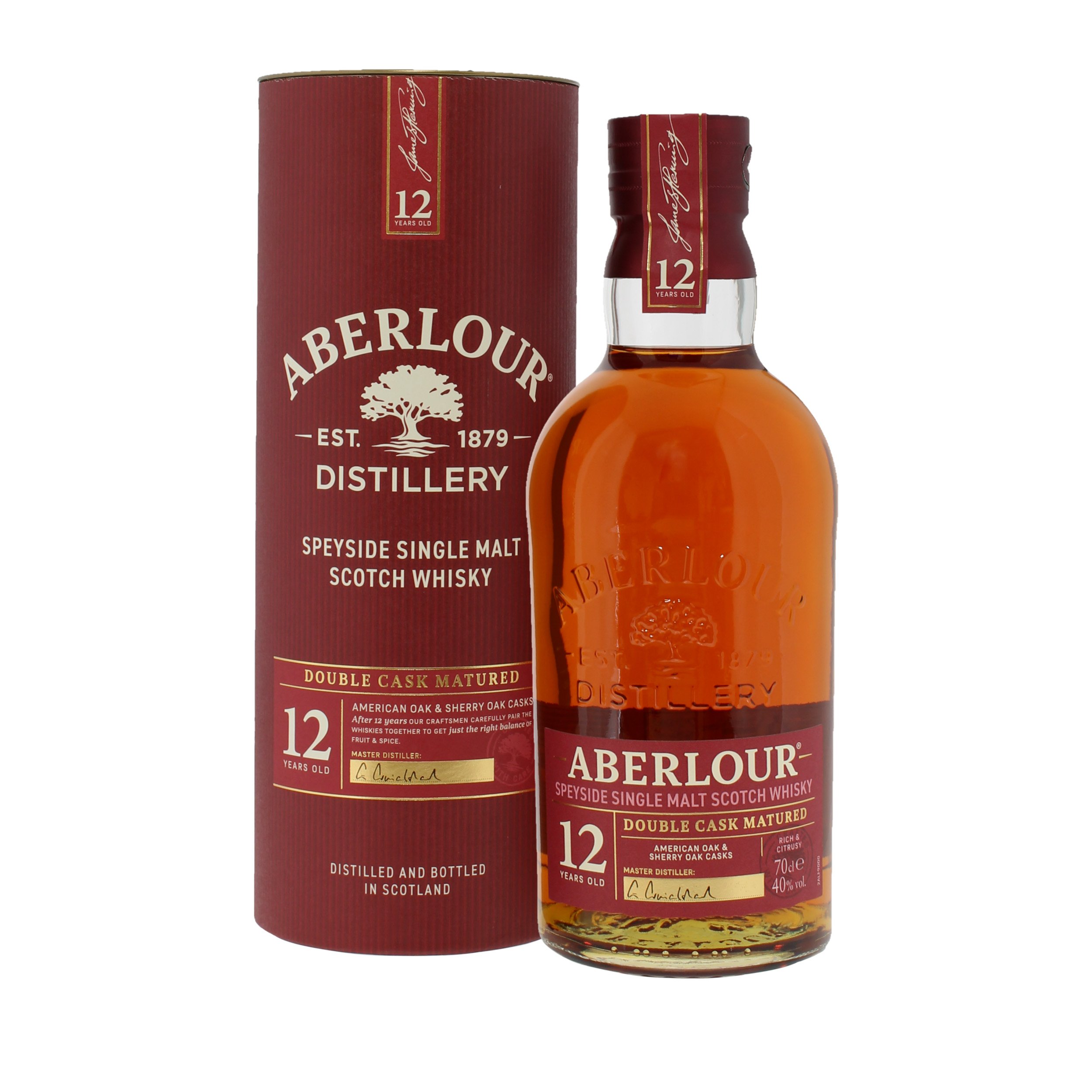
Aberlour 12 Year Old
12 years · 40.0% ABV · 70cl
from £45.00 2 retailers
£49.99 delivered
Compare prices
Bushmills Black Bush Irish Whiskey
40.0% ABV · 70cl
from £29.95 1 retailer
£35.90 delivered
Compare prices
Bowmore 15 Year Old
15 years · 43.0% ABV · 70cl
from £73.95 2 retailers
£78.90 delivered
Save up to £10.05
Compare prices
Redbreast Lustau
46.0% ABV · 70cl
from £62.99 3 retailers
£67.94 delivered
Save up to £10.01
Compare pricesWhy sherry cask whisky can cost more
Sherry casks are seasoned with sherry before they reach a distillery, but cask prices aren’t published in the sources behind this guide, so we don’t quote them or say how much of a bottle’s price they explain. Age, cask history, rarity and demand all play a part: see why old whisky is expensive. The live prices above show what each bottle costs today.
Sources and review
Questions
Does sherry cask whisky contain sherry?
What is Oloroso?
What is the difference between Oloroso and Pedro Ximénez casks?
About the author
