On this page
GuideIf you like X
Best whisky for Cognac and brandy lovers
Whiskies that share Cognac's dried fruit and French oak, from sherry-cask Speyside malts to French oak finishes and brandy-cask releases, at UK prices.
If you like Cognac, start with a sherry-cask Speyside malt such as Aberlour 12 Year Old, or a whisky matured partly in French oak such as The Glenlivet 15 Year Old. For something closer to a VSOP or XO, try an older malt such as The Glenlivet 18 Year Old or the Irish single pot still Redbreast 12 Year Old. Whisky is not brandy, but the oak, dried fruit and texture are a familiar bridge.
A VSOP most nights, an XO now and then
I should declare an interest. My brandy is nearly always a VSOP. It is old enough to have formed opinions about oak and young enough to still have some fruit to defend them with, and it does not insist that the evening be rearranged around it. A VSOP will sit politely beside a conversation.
XO is a different arrangement. I keep it for late in the evening, after the plates have gone and somebody has built the fire up to the point where it has quietly become the house’s main heating system. It is not a bottle that sits politely beside anything; it expects to be the subject.
My whisky shelf has sorted itself the same way without anybody asking it to. Sherry-cask malts of around twelve years do much of what a VSOP does: dried fruit, a little spice, and oak that knows its place. The deep sherry casks, the ones that pour the colour of a well-polished sideboard, are my whisky XO. The rest of this guide follows that split.
What Cognac and whisky share, and what they don’t
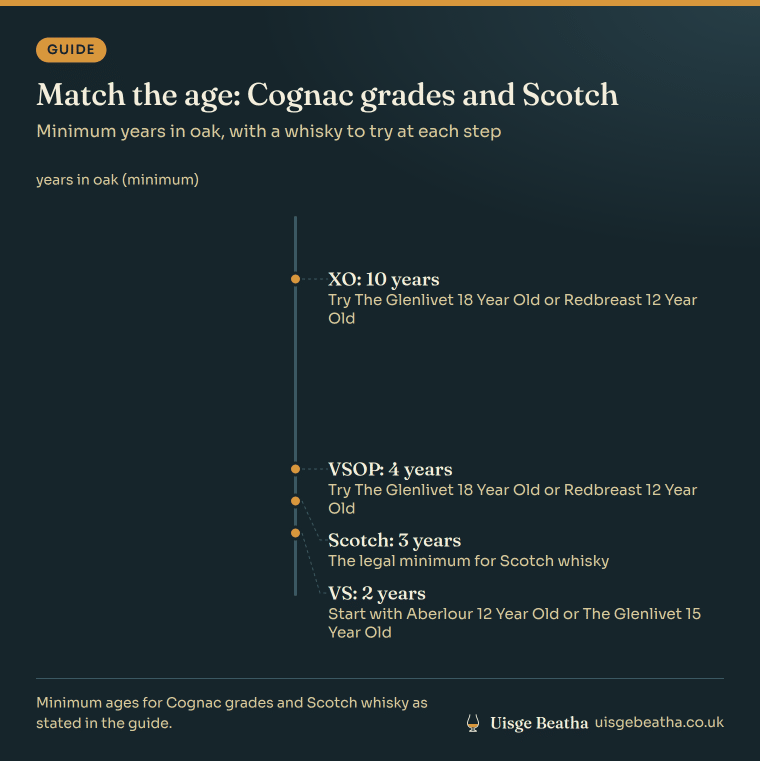
Cognac is brandy made from white grapes in the Cognac region of France. It is double distilled in copper pot stills, aged for at least two years in oak casks, usually French oak, and bottled at 40% ABV or more. VS means at least two years in oak, VSOP at least four and XO at least ten.
Malt whisky is made from malted barley, not grapes, and Scotch must spend at least three years in oak. Most Scotch matures in American oak ex-bourbon barrels, which tend to give vanilla and coconut. European oak, the kind used for sherry casks and for Cognac, tends to give more tannin, dried fruit and spice. That is why European oak and sherry casks are the best route for a Cognac drinker. If you take one thing from this page into a shop, take that: read the cask before you read the region. Whiskipedia’s guide to wood types covers the difference.
Sherry-cask malts for VSOP drinkers
This is where I would start anyone who drinks VSOP, because these are the bottles I open on an ordinary evening myself. None of them is trying to be brandy. They simply arrive at a similar place by a different road, rather like two people who have never met turning up to a party in the same coat.
Aberlour 12 Year Old: £43.00 at The Whisky Shop. A Speyside single malt at 40% ABV, matured in a mix of traditional oak and sherry casks. It is the gentlest of the three and the one I hand to brandy drinkers first, on the grounds that it is hard to object to.
GlenDronach 12 Year Old: £49.95 at Hard To Find Whisky. A Highland single malt at 43% ABV, matured in Pedro Ximénez and oloroso sherry casks. Of everything on my shelf it is the nearest thing to a VSOP in whisky form: richer than the Aberlour, with the sherry casks doing most of the talking.
Tamdhu 12 Year Old: £39.95 at Master of Malt. A Speyside single malt at 43% ABV, matured entirely in sherry casks. Tamdhu does not split the work with bourbon barrels, which makes it a useful bottle for finding out whether it is sherry casks you like or simply Speyside.
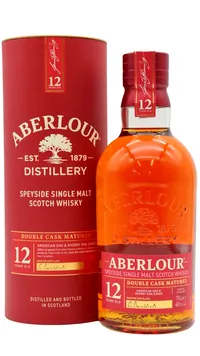
Aberlour 12 Year Old
12 years · 40.0% ABV · 70cl
from £43.00 shelf price 3 retailers
£47.99 delivered
Price gap up to £1.95
Compare prices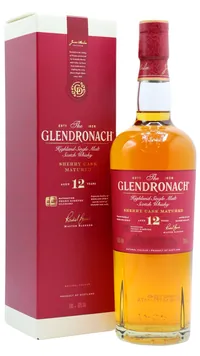
Glendronach 12 Year Old
12 years · 43.0% ABV · 70cl
from £49.95 shelf price 4 retailers
£55.90 delivered
Price gap up to £6.05
Compare prices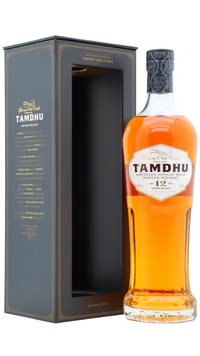
Tamdhu 12 Year Old Sherry Cask Matured Single Malt Whisky
12 years · 43.0% ABV · 70cl
from £39.95 shelf price 5 retailers
£44.90 delivered
Price gap up to £11.05
Compare pricesFrench oak and Cognac-region casks
This section is for the brandy drinker who wants a whisky with something of Cognac’s own wood, or in two cases something of Cognac’s own neighbourhood.
The Glenlivet 15 Year Old: £38.95 at Master of Malt. A Speyside single malt at 40% ABV, with part of the spirit matured in French Limousin oak, the same oak many Cognac houses use.
Balvenie 16 Year Old French Oak: £133.50 at Master of Malt. Finished in French oak casks that held Pineau des Charentes, a fortified wine made in the Cognac region from grape must and young Cognac. Pineau is, as far as I can tell, what happens when somebody in the Charente looks at a vat of fresh grape juice, then at a cask of young Cognac, and declines to choose. The whisky benefits from the indecision.
Old Pulteney Coastal Series Pineau des Charentes: £99.95 at Hard To Find Whisky. A Highland single malt at 46% ABV, also finished in Pineau des Charentes casks. Old Pulteney is a coastal distillery in Wick, so the cask has travelled from one of France’s gentler wine regions to the far north of Caithness. It seems to have coped.
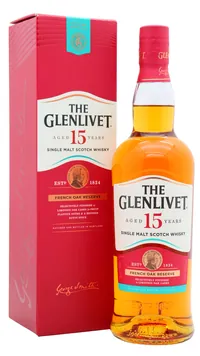
The Glenlivet 15 Year Old
15 years · 40.0% ABV · 70cl
from £38.95 shelf price 4 retailers
£43.90 delivered
Price gap up to £35.05
Compare prices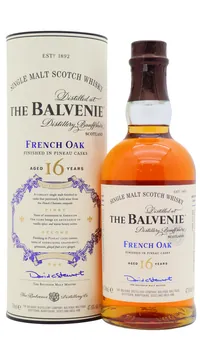
The Balvenie 16 Year French Oak Whisky 70cl
16 years · 70cl
from £133.50 shelf price 2 retailers
£133.50 delivered
Price gap up to £16.45
Compare prices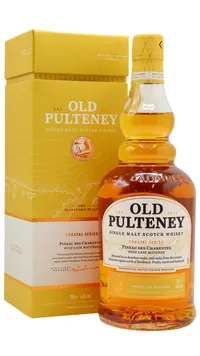
Old Pulteney Coastal Series Pineau Des Charentes
46.0% ABV · 70cl
from £99.95 shelf price 1 retailer
£105.90 delivered
Compare pricesOlder and deeper sherry casks for XO drinkers
These are older whiskies, and in most cases the European oak has had long enough to make its point thoroughly. An XO drinker will find the territory familiar.
The Glenlivet 18 Year Old: £100.00 at Loch Fyne Whiskies. A Speyside single malt at 40% ABV, matured in American oak and European oak ex-sherry casks. The most restrained of the four.
GlenDronach 18 Year Old: £179.95 at Hard To Find Whisky. A Highland single malt at 46% ABV, matured in oloroso sherry casks. This is the deep sherry cask I mean: the sideboard-coloured one, and the nearest thing to an XO on my whisky shelf.
Redbreast 12 Year Old: £56.00 at Master of Malt. An Irish single pot still whiskey at 40% ABV. Like Cognac it comes from copper pot stills, though Redbreast is triple distilled from a mash of malted and unmalted barley, and matured in bourbon and oloroso sherry casks.
Redbreast 15 Year Old: £97.00 at Master of Malt. The older version at 46% ABV, from bourbon and sherry casks.
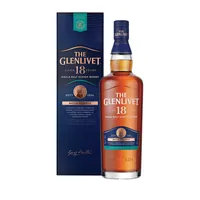
The Glenlivet 18 Year Old
18 years · 40.0% ABV · 70cl
from £100.00 shelf price 2 retailers
£100.00 delivered
Compare prices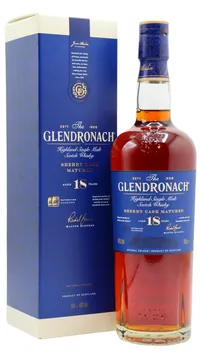
Glendronach 18 Year Old 2024 Highland Single Malt Scotch Whisky 70cl
18 years · 46.0% ABV · 70cl
from £179.95 shelf price 5 retailers
£179.95 delivered
Price gap up to £17.05
Compare prices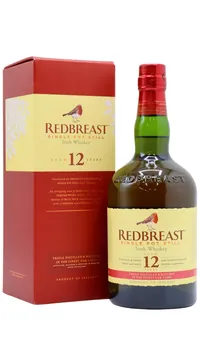
Redbreast 12 Year Old
12 years · 40.0% ABV · 70cl
from £56.00 shelf price 4 retailers
£60.95 delivered
Price gap up to £3.95
Compare prices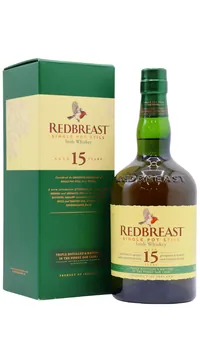
Redbreast 15 Year Irish Whiskey 70cl
15 years · 46.0% ABV · 70cl
from £97.00 shelf price 4 retailers
£101.95 delivered
Price gap up to £2.95
Compare pricesWhisky finished in brandy casks
A few releases use casks that held Cognac, Armagnac or Calvados, the apple brandy of Normandy. Most are limited bottlings from a distillery or an independent bottler, so they come and go. They are, to be candid, less reliable as a bridge than the sherry casks above: the brandy cask is usually a finish lasting months, laid over years of something else, and “Cognac cask” on a label can mean anything from a long conversation to a brief handshake. Read the label: it should name the brandy and say whether the cask was a finish or the whole maturation.
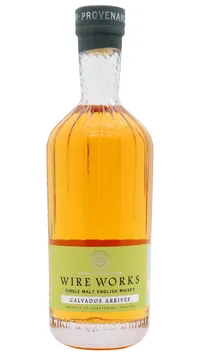
White Peak Wire Works - Calvados Arrivee English Single Malt Whisky
49.2% ABV · 70cl
from £64.95 shelf price 4 retailers
£69.90 delivered
Price gap up to £6.05
Compare prices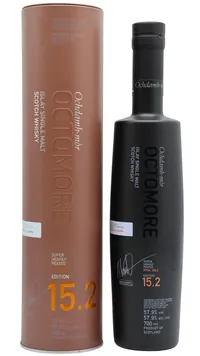
Bruichladdich Octomore 15.2 Whisky 70cl
57.9% ABV · 70cl
from £149.99 shelf price 3 retailers
£149.99 delivered
Price gap up to £24.96
Compare prices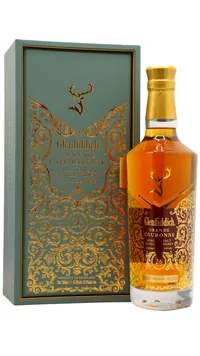
Glenfiddich Grande Couronne 26 Year Old
26 years · 43.8% ABV · 70cl
from £468.95 shelf price 3 retailers
£468.95 delivered
Price gap up to £46.00
Compare prices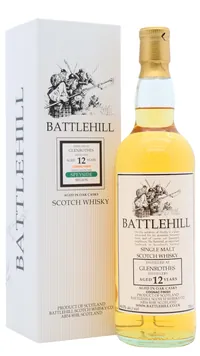
Battlehill Glenrothes 2009 12 Year Old
12 years · 46.0% ABV · 70cl
from £72.50 shelf price 2 retailers
£77.00 delivered
Price gap up to £7.45
Compare prices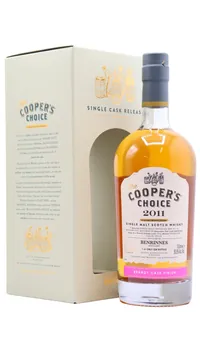
Benrinnes 11 Year Old 2011 - The Cooper's Choice Single Malt Whisky
11 years · 70cl
from £73.95 shelf price 2 retailers
£78.90 delivered
Price gap up to £16.00
Compare prices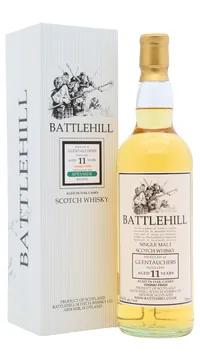
Glentauchers 2011 11 Year Old, Cognac Cask
11 years · 46.0% ABV · 70cl
from £62.00 shelf price 2 retailers
£66.50 delivered
Price gap up to £3.95
Compare pricesSources and review
Related guides
Questions
Which whisky is most like Cognac?
What is a Cognac-cask whisky?
What whisky suits a VSOP or XO drinker?
Should Cognac drinkers add water to whisky?
About the author
