On this page
Whisky tasting flights: ten themes for a home tasting
Ten themed whisky flights for a home tasting, each built on one comparison: regions, peat levels, cask types, oak species, climate and national styles.
A whisky flight works best when every glass is there to answer the same question. Pour five unrelated bottles because they happened to sit within arm’s reach and the differences blur into oak and good intentions. Pour five that differ in one way only, such as region, smoke, cask or climate, and you can actually tell what changed.
Below are ten flights, each built around a single argument, followed by a short guide to cask sizes and previous fills. Most run to five whiskies; the single-distillery cask flight and the European flight stop at four, before the comparison starts repeating itself. Each table lists the whiskies in tasting order, and the cards under it show each bottle’s current price at the shops we check.
How to run a flight
Arran suggests four or five whiskies at 15 to 25 ml each for a home tasting (Arran Distillery), leaving room to go back for a second sip and still remember the first. Whisky Advocate puts the ceiling at six, with at least ten minutes for each (Whisky Advocate). Past that point, even diligent tasters tend to lose the thread.
Pour from lighter to heavier and from lower to higher strength. Peated and cask-strength whiskies go last, because they can flatten anything polite poured after them. Use a tulip-shaped glass such as a Glencairn or a copita rather than a tumbler; a heavy tumbler looks purposeful on a sideboard, while its wide rim sends much of the aroma straight to the ceiling. Taste each whisky neat first, then add a few drops of water (anything near 60% ABV is easier to judge once diluted a little).
Plain crackers, oatcakes and still water reset the palate between glasses. Arran advises against a big meal or strongly flavoured food just before, so eat earlier or serve food afterwards. If you want to match food to whisky instead, our whisky and food pairing guide collects published suggestions.
You don’t need five full bottles. Many shops sell 3cl or 5cl samples and ready-made tasting sets, and our miniatures and samples pages list the ones we track. A UK unit is 10 ml of pure alcohol, so a 20 ml pour at 40% ABV is 0.8 of a unit, and smaller pours keep a five-glass flight light.
Flight 1: A tour of Scotland’s regions
Does where a whisky is made still shape how it tastes, or is regional style mostly a tidy story for gift-box maps? This is the classic starter flight, running from the Lowlands to Islay.
The law protects five names, divided with great bureaucratic care. The Scotch Whisky Regulations 2009 recognise Highland, Lowland and Speyside as protected regions, and Campbeltown and Islay as protected localities. “Islands” is not one of them, so Talisker and Highland Park are legally Highland whiskies, whatever the atlas suggests. Treat region as a loose guide: as the Scotch Malt Whisky Society points out, pinning down one distillery’s style is hard enough without expecting a whole postcode to behave uniformly. Our guide to Scotland’s whisky regions goes further.
On smaller screens, scroll sideways to see every column.
| # | Region | Whisky | ABV | What the comparison shows |
|---|---|---|---|---|
| 1 | Lowland | Glenkinchie 12 Year Old | 43% | The lightest starting point, unpeated |
| 2 | Speyside | The Glenlivet 12 Year Old | 40% | Speyside’s fruity, unpeated house style |
| 3 | Highland | Glenmorangie The Original 12 Year Old | 40% | A Highland malt matured in ex-bourbon casks |
| 4 | Campbeltown | Glen Scotia 15 Year Old | 46% | Campbeltown’s oilier, coastal style |
| 5 | Islay | Lagavulin 16 Year Old | 43% | Heavy peat, the style most people associate with Islay |
Campbeltown goes before Islay so the peat comes last. Glen Scotia 15 stands in for Springbank 10, the Campbeltown bottle older guides usually suggest; keep the substitute at a similar strength if you swap it. Glenmorangie replaced its long-running 10 year old with a 12 year old in 2024, so older guides that mention Glenmorangie 10 are describing a bottle that has since retired. To add an island whisky, put Talisker 10 between Campbeltown and Islay and inform the table, with quiet satisfaction, that it is legally a Highland whisky.
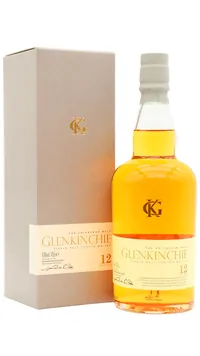
Glenkinchie 12 Year Old
12 years · 43.0% ABV · 70cl
from £47.00 shelf price 4 retailers
£51.99 delivered
Price gap up to £3.52
Compare prices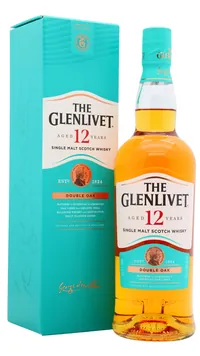
The Glenlivet 12 Year Old
12 years · 40.0% ABV · 70cl
from £34.95 shelf price 4 retailers
£40.90 delivered
Price gap up to £1.75
Compare prices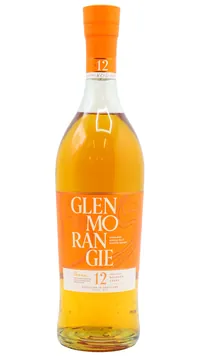
Glenmorangie Original 12 Year Old
12 years · 40.0% ABV · 70cl
from £39.95 shelf price 3 retailers
£44.99 delivered
Price gap up to £0.05
Compare prices
Glen Scotia 15 Year Old
15 years · 46.0% ABV · 70cl
from £49.65 shelf price 4 retailers
£54.60 delivered
Price gap up to £24.34
Compare prices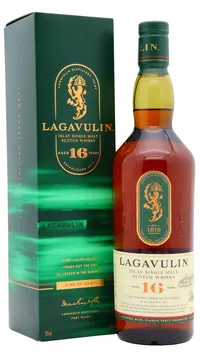
Lagavulin 16 Year Old
16 years · 43.0% ABV · 70cl
from £72.95 shelf price 5 retailers
£77.90 delivered
Price gap up to £21.00
Compare prices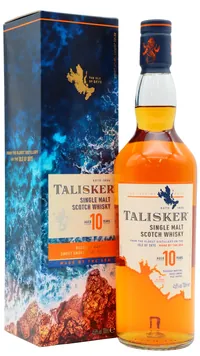
Talisker 10 Year Old
10 years · 45.8% ABV · 70cl
from £42.45 shelf price 5 retailers
£48.40 delivered
Price gap up to £9.50
Compare pricesFlight 2: The peat ladder
How much smoke is too much? Each rung adds peat, starting with an unpeated Islay malt (to remind everyone that Islay is an island, not a chimney) and climbing to one of the most heavily peated whiskies made.
Peat is measured in phenol parts per million (ppm), a number whisky marketing loves to print in bold even though it describes the malted barley, not what ends up in the glass. Distillation and maturation shed plenty of it along the way. Treat ppm as a rough way to order the flight rather than a promise of what you will smell, and see our peat and ppm guide for why the measurements and the sources rarely agree.
On smaller screens, scroll sideways to see every column.
| # | Whisky | Malt peat level | ABV | What the comparison shows |
|---|---|---|---|---|
| 1 | Bunnahabhain 12 Year Old | Unpeated | 46.3% | Islay without smoke, from sherry and bourbon casks |
| 2 | Highland Park 12 Year Old | Partly peated; figures disagree | 40% | Heathery Orkney peat in a small share of the malt |
| 3 | Talisker 10 Year Old | About 20 to 25 ppm | 45.8% | Peppery, coastal smoke |
| 4 | Ardbeg 10 Year Old | At least 55 ppm (Ardbeg) | 46% | Heavily peated Islay malt |
| 5 | Octomore 17.1 | 81 ppm (Whisky Advocate) | 59.7% | Bruichladdich’s very heavily peated range, at cask strength |
Rungs 2 and 3 sit at broadly similar peat levels, so they compare kinds of smoke rather than volume. Even Highland Park’s number cannot sit still: our reference data gives 30 to 40 ppm for the share malted on its own floors, about a fifth of the total, while Whiskipedia gives about 20 ppm. Octomore 17.1 is a five year old matured in first-fill bourbon barrels; pour a smaller measure, add water, and put it firmly at the end. If Ardbeg feels too forceful for the room, Caol Ila 12 is a gentler peated Islay malt for rung 4.
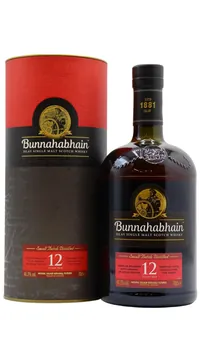
Bunnahabhain 12 Year Old
12 years · 46.3% ABV · 70cl
from £36.39 shelf price 5 retailers
£41.34 delivered
Price gap up to £13.11
Compare prices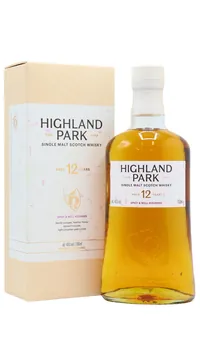
Highland Park 12 Year Old (Old Packaging) Island Single Malt Scotch Whisky 70cl
12 years · 40.0% ABV · 70cl
from £39.90 shelf price 4 retailers
£44.85 delivered
Price gap up to £8.05
Compare pricesTalisker 10 Year Old
10 years · 45.8% ABV · 70cl
from £42.45 shelf price 5 retailers
£48.40 delivered
Price gap up to £9.50
Compare prices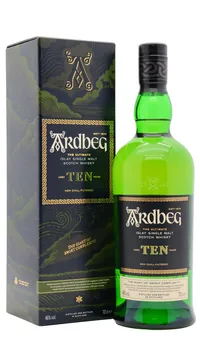
Ardbeg 10 Year Old
10 years · 46.0% ABV · 70cl
from £39.95 shelf price 5 retailers
£45.47 delivered
Price gap up to £7.55
Compare prices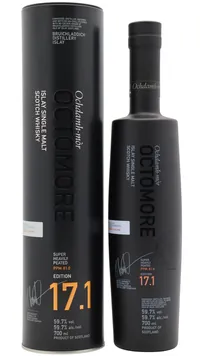
Octomore 17.1
59.7% ABV · 70cl
from £122.00 shelf price 5 retailers
£122.00 delivered
Price gap up to £21.00
Compare pricesFlight 3: Same spirit, different cask
How much of a whisky’s flavour comes from the wood? Here you taste one distillery’s spirit in four outfits. Everything starts in ex-bourbon casks, and three of the four are then “finished”, which in whisky means moved into a second cask that once held port or sherry to pick up a different wardrobe (The Whisky Exchange). Glenmorangie helped popularise the trick in the 1990s, so it makes a natural test bench.
Chivas Brothers’ master blender Sandy Hyslop estimates that about half the flavour of a 15 year old whisky comes from the cask. That is a sensible corrective to labels that talk as if the still barely turned up, and this flight lets you test the claim.
On smaller screens, scroll sideways to see every column.
| # | Whisky | Cask regime | ABV |
|---|---|---|---|
| 1 | Glenmorangie The Original 12 Year Old | Ex-bourbon casks only | 40% |
| 2 | Glenmorangie The Quinta Ruban 14 Year Old | Ex-bourbon, then ruby port casks | 46% |
| 3 | Glenmorangie The Lasanta 12 Year Old | Ex-bourbon, then oloroso and Pedro Ximénez sherry casks | 43% |
| 4 | Glenmorangie 12 Year Old Palo Cortado | Eight years in ex-bourbon, then four in palo cortado sherry casks (Glenmorangie) | 46% |
Taste The Original first and return to it between the others, using it as a control sample so every shift you notice comes from the second cask. Glasses 3 and 4 show two different styles of sherry cask; our guide to sherry casks explains how they differ. Quinta Ruban is now a 14 year old, though older guides still list it as a 12. For a two-glass add-on, Balvenie 12 Year Old DoubleWood and Balvenie 14 Year Old Caribbean Cask show the same idea at another distillery.
Glenmorangie Original 12 Year Old
12 years · 40.0% ABV · 70cl
from £39.95 shelf price 3 retailers
£44.99 delivered
Price gap up to £0.05
Compare prices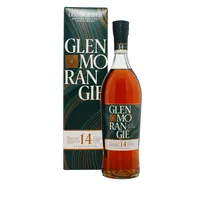
Glenmorangie 14 Year Old, The Quinta Ruban
14 years · 46.0% ABV · 70cl
from £51.00 shelf price 3 retailers
£55.99 delivered
Price gap up to £8.90
Compare prices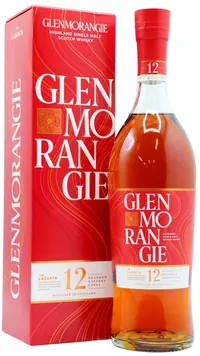
Glenmorangie Lasanta Single Malt Highland Whisky
12 years · 43.0% ABV · 70cl
from £54.95 shelf price 1 retailer
£60.90 delivered
Compare prices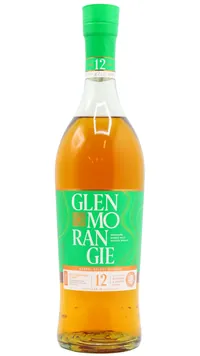
Glenmorangie 12 Year Palo Cortado Cask Whisky 70cl
12 years · 46.0% ABV · 70cl
from £70.50 shelf price 4 retailers
£75.45 delivered
Price gap up to £4.50
Compare pricesFlight 4: Around the world in five styles
What difference do grain, stills and a committee of lawyers make? Each whisky is a national style governed by its own rulebook, so the contrasts are written into the rules before anyone lights a still. Our guide to whisky legal definitions sets the rules side by side.
On smaller screens, scroll sideways to see every column.
| # | Style | Whisky | What the rules require | ABV |
|---|---|---|---|---|
| 1 | Scotch single malt | Glenmorangie The Original 12 Year Old | Malted barley only, pot stills, one distillery, at least three years in oak in Scotland (regulations) | 40% |
| 2 | Irish single pot still | Redbreast 12 Year Old | At least 30% malted and 30% unmalted barley, pot stills (UK guidance) | 40% |
| 3 | Japanese single malt | Hakushu Distiller’s Reserve | Distilled, aged at least three years and bottled in Japan (JSLMA standard) | 43% |
| 4 | Kentucky bourbon | Buffalo Trace | At least 51% corn, new charred oak containers (27 CFR 5.143) | 40% |
| 5 | American rye | Rittenhouse Bottled-in-Bond | At least 51% rye, new charred oak containers | 50% |
The malts and pot still go first. Bourbon and rye follow because new charred oak tends to announce itself loudly with vanilla and caramel. Compare 1 and 2 for barley: unmalted barley is what gives Irish pot still whiskey its distinctive texture. Compare 4 and 5 for grain: the same kind of barrel, with corn pitted against rye.
The Japan Spirits and Liqueurs Makers Association standard has applied to whisky bottled from 1 April 2024. It is an industry standard rather than law, and some well-known Japanese bottles, Nikka From the Barrel among them, do not meet it. Check that the Japanese bottle in your flight is actually distilled in Japan; our Japanese whisky rules guide covers it in detail. Most mash bills are unpublished, treated like state secrets; Rittenhouse is usually quoted as about 51% rye, though sources differ on the rest.
Glenmorangie Original 12 Year Old
12 years · 40.0% ABV · 70cl
from £39.95 shelf price 3 retailers
£44.99 delivered
Price gap up to £0.05
Compare prices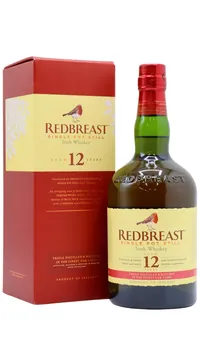
Redbreast 12 Year Old
12 years · 40.0% ABV · 70cl
from £56.00 shelf price 4 retailers
£60.95 delivered
Price gap up to £3.95
Compare prices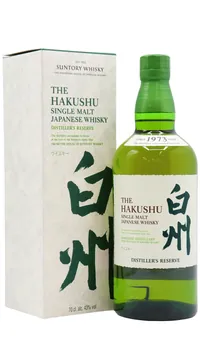
Hakushu Distiller's Reserve
43.0% ABV · 70cl
from £69.00 shelf price 5 retailers
£73.99 delivered
Price gap up to £2.95
Compare prices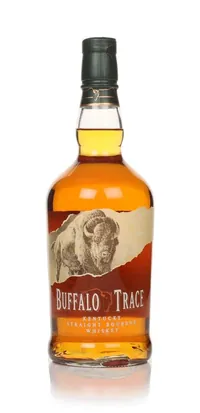
Buffalo Trace Bourbon 70cl
70cl
from £23.99 shelf price 1 retailer
£28.94 delivered
Compare prices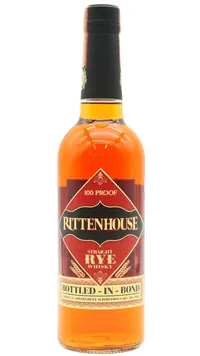
Rittenhouse Rye 'Bottled in Bond' 100 Proof
50.0% ABV · 70cl
from £35.90 shelf price 2 retailers
£40.85 delivered
Price gap up to £9.05
Compare pricesFlight 5: Hot climate and cool climate
What does heat do to maturation? A Scotch cask is usually said to lose about 2% of its contents a year to evaporation, the angel’s share. In hot climates the angels take a much bigger cut, and the spirit draws flavour from the wood at speed. This flight sets a Speyside benchmark against four young whiskies that grew up in a hurry.
On smaller screens, scroll sideways to see every column.
| # | Whisky | Where | Reported annual evaporation | ABV |
|---|---|---|---|---|
| 1 | Glenfiddich 12 Year Old | Speyside, Scotland | About 2% | 40% |
| 2 | Kavalan Classic | Yilan, Taiwan | Two to three times Scotland’s (Whisky Magazine) | 40% |
| 3 | Starward Nova | Melbourne, Australia | Not published | 41% |
| 4 | Paul John Brilliance | Goa, India | About 8% (Paul John) | 46% |
| 5 | Amrut Fusion | Bangalore, India | About 10% to 12% (The Whiskey Wash) | 50% |
None of the four warm-climate whiskies carries an age statement. Starward matures Nova for about two years in uncharred barrels that held Australian red wine, so it also brings a cask comparison; Amrut Fusion uses some peated Scottish barley, so it goes last. The evaporation figures come from different sources measured in different ways, so treat them as reported comparisons rather than a uniform experiment. Our guides to Indian whisky and world whiskies list more bottles from warm climates.
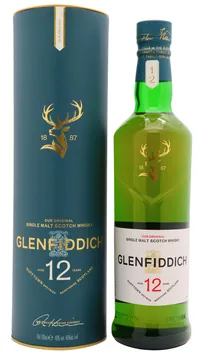
Glenfiddich 12 Year Old
12 years · 40.0% ABV · 70cl
from £37.50 shelf price 5 retailers
£42.45 delivered
Price gap up to £8.50
Compare prices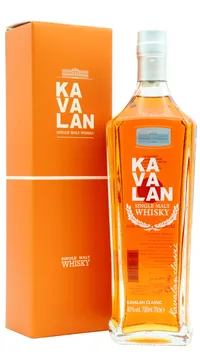
Kavalan Classic Single Malt Taiwanese Whisky
40.0% ABV · 70cl
from £67.95 shelf price 2 retailers
£72.90 delivered
Price gap up to £9.00
Compare prices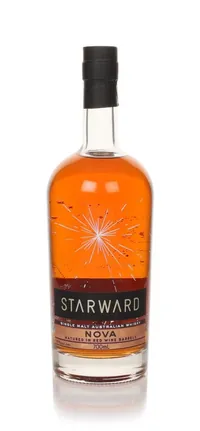
Starward Nova
41.0% ABV · 70cl
from £47.50 shelf price 1 retailer
£52.45 delivered
Compare prices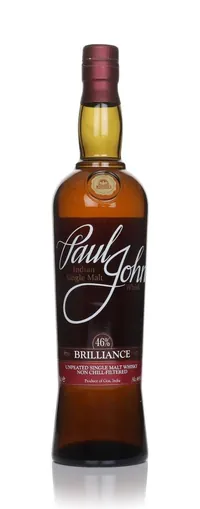
Paul John Brilliance
46.0% ABV · 70cl
from £36.50 shelf price 1 retailer
£41.45 delivered
Compare prices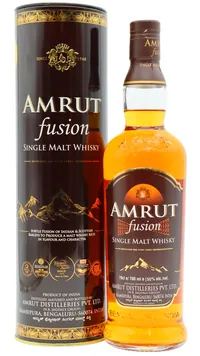
Amrut Fusion Whisky 70cl
70cl
from £49.95 shelf price 2 retailers
£55.90 delivered
Price gap up to £2.61
Compare pricesFlight 6: The cask menu
What was in the barrel before? Flight 3 kept the distillery fixed and changed the cask. This one picks five distilleries, each using one particular previous fill, so you learn to recognise a cask type. The cask guide at the end lists what each fill typically gives.
On smaller screens, scroll sideways to see every column.
| # | Previous fill | Whisky | Cask regime | ABV |
|---|---|---|---|---|
| 1 | American oak | Glen Moray 12 Year Old Elgin Heritage | American oak casks, no finish | 40% |
| 2 | Rum | Balvenie 14 Year Old Caribbean Cask | Oak casks, then a finish in casks that held Caribbean rum | 43% |
| 3 | Sherry | Macallan 12 Year Old Sherry Oak | Matured in sherry-seasoned oak casks from Jerez | 40% |
| 4 | Red wine | Arran Amarone Cask Finish | Oak casks, then a finish in Amarone casks from the Veneto | 50% |
| 5 | Pedro Ximénez sherry | Glencadam Reserva PX | Ex-bourbon, then a finish in PX sherry butts | 46% |
PX goes last because it is the sweetest fill. Add a drop of water to the Arran, which is bottled at 50%. Compare 3 and 5 for sherry style: oloroso-seasoned casks usually give drier, nuttier notes, while PX gives syrupy dried fruit. Notice how coy labels can be even on famous bottles: Glen Moray describes its cask as American oak rather than ex-bourbon specifically, and Macallan describes its casks as sherry-seasoned without naming a sherry style, offering atmosphere where a buyer might prefer specifics. GlenDronach 12 is a possible substitute for the Macallan, though it mixes oloroso and PX casks and blurs the comparison with the last glass.
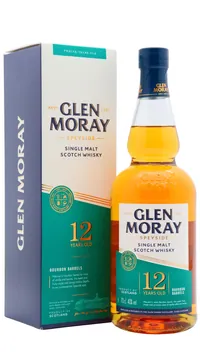
Glen Moray 12 Year Old Elgin Heritage
12 years · 40.0% ABV · 70cl
from £38.00 shelf price 4 retailers
£42.95 delivered
Price gap up to £15.00
Compare prices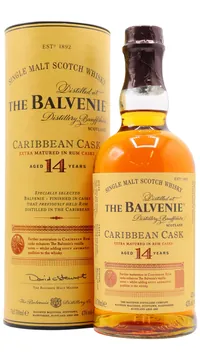
The Balvenie 14 Year Caribbean Cask Whisky 70cl
14 years · 43.0% ABV · 70cl
from £54.95 shelf price 4 retailers
£59.90 delivered
Price gap up to £16.05
Compare prices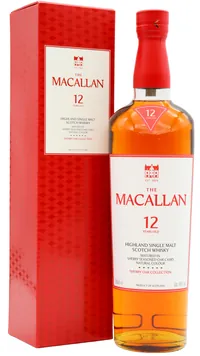
Macallan 12 Year Old Sherry Oak Cask 2025 Release Speyside Single Malt Scotch Whisky 70cl
12 years · 40.0% ABV · 70cl
sherry cask
from £79.95 shelf price 5 retailers
£84.99 delivered
Price gap up to £2.05
Compare prices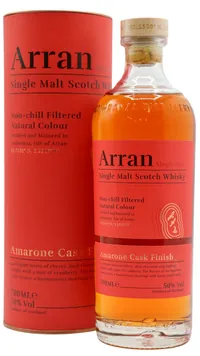
Arran Amarone Cask Finish
50.0% ABV · 70cl
from £53.99 shelf price 5 retailers
£58.49 delivered
Price gap up to £8.10
Compare prices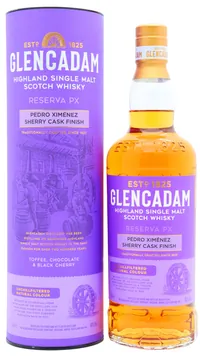
Glencadam Reserva Pedro Ximenez Cask Finish Highland Single Whisky
46.0% ABV · 70cl
cask finish, pedro ximenez, sherry cask · Cask finish · Pedro Ximénez · Sherry cask
from £42.95 shelf price 3 retailers
£47.49 delivered
Price gap up to £0.04
Compare pricesFlight 7: Which tree?
Does the species of oak matter, as well as whatever soaked into it beforehand? American white oak is usually described as lower in tannin and richer in the lactones that give vanilla and coconut; European oak as higher in tannin, giving drier spice and grip. This flight moves from the familiar oaks to less common ones, and ends with two finishes from the same distillery in two different new oaks.
On smaller screens, scroll sideways to see every column.
| # | Wood | Whisky | ABV |
|---|---|---|---|
| 1 | American white oak (Quercus alba), ex-bourbon | Glenmorangie The Original 12 Year Old | 40% |
| 2 | Japanese Mizunara oak, as part of the blend | Chivas Regal 12 Year Old Mizunara | 40% |
| 3 | Virgin American oak | Deanston Virgin Oak | 46.3% |
| 4 | Virgin Spanish oak (Quercus robur) | GlenAllachie 10 Year Old Spanish Oak Finish | 48% |
| 5 | Virgin chinquapin oak (Quercus muehlenbergii) | GlenAllachie 10 Year Old Chinquapin Virgin Oak Finish | 48% |
Mizunara is prized and scarce. Decanter notes that the trees take about 200 years to grow and the wood is porous and prone to leaks, making it a cooper’s headache and a marketing department’s delight. Only part of the Chivas blend saw Mizunara, so its contribution is subtle rather than headline-grabbing.
Glasses 4 and 5 give the clearest species comparison. Both are GlenAllachie spirit first matured in ex-bourbon barrels, then finished for around 18 months in new casks: Spanish oak from the Cantabrian mountains in one, and chinquapin oak from the Ozarks in Missouri in the other (GlenAllachie). Age, strength and distillery match, leaving the tree to explain itself.
You will not find a non-oak Scotch in a flight like this. The Scotch Whisky Regulations insist on oak, and the SWA’s guidance on allowable casks sets out what that covers. Irish rules allow wooden casks more generally (technical file), which is why some Irish distillers have tried chestnut, cherry and acacia without breaking the law.
Glenmorangie Original 12 Year Old
12 years · 40.0% ABV · 70cl
from £39.95 shelf price 3 retailers
£44.99 delivered
Price gap up to £0.05
Compare prices
Chivas Regal 12 Year Mizunara Whisky 70cl (Mizunara Cask)
12 years · 70cl
from £54.95 shelf price 1 retailer
£60.90 delivered
Compare prices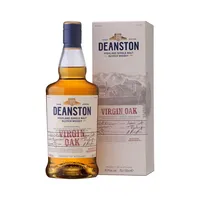
Deanston Virgin Oak Casks - 46.3%
46.3% ABV · 70cl
from £31.30 shelf price 4 retailers
£36.25 delivered
Price gap up to £17.70
Compare prices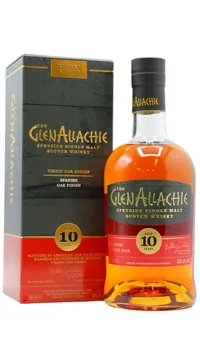
Glenallachie 10 Year Old Spanish Oak Finish Limited Edition Speyside Single Malt Scotch Whisky 70cl
10 years · 48.0% ABV · 70cl
cask finish, virgin oak · Limited edition
from £63.95 shelf price 3 retailers
£69.41 delivered
Price gap up to £3.55
Compare prices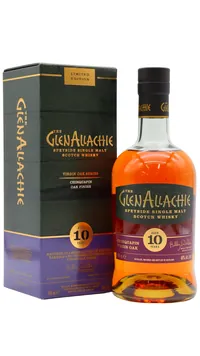
GlenAllachie Chinquapin Virgin Oak Finished Single Malt Scotch 10 Year Old Whisky
10 years · 48.0% ABV · 70cl
from £79.95 shelf price 1 retailer
£85.90 delivered
Compare pricesFlight 8: The new wave of the British Isles
Can the rest of the British Isles sit alongside Scotch? This flight runs from an old Irish benchmark through three newer distilleries in Dublin, the Cotswolds and Wales.
The legal paperwork, at least, has caught up. Single Malt Welsh Whisky became a protected UK geographical indication on 24 July 2023. The English Whisky GI application was accepted on 11 September 2026. Its product specification requires UK-grown cereal, distillation in England and at least three years’ maturation in casks in England, with producers verified under HMRC’s Spirit Drink Verification Scheme (whisky may feel romantic, but it still needs the tax office’s stamp). Our guide to English whisky has more.
On smaller screens, scroll sideways to see every column.
| # | Country | Whisky | ABV |
|---|---|---|---|
| 1 | Northern Ireland | Bushmills 10 Year Old | 40% |
| 2 | Ireland (Dublin) | Teeling Single Malt | 46% |
| 3 | England | Cotswolds Single Malt | 46% |
| 4 | Wales | Penderyn Madeira Finish | 46% |
Start with Bushmills, a single malt from a distillery that dates its licence to 1608, then see how the newcomers hold their own beside that head start. Teeling, Cotswolds and Penderyn all bottle at 46%. For a fifth glass, Filey Bay Flagship, from the Spirit of Yorkshire distillery, adds a second English malt.
Bushmills 10 Year Old 70cl
10 years · 40.0% ABV · 70cl
from £35.95 shelf price 3 retailers
£40.90 delivered
Price gap up to £3.05
Compare prices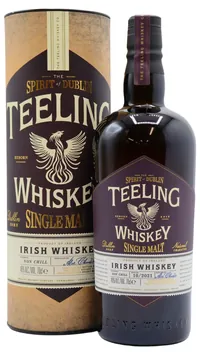
Teeling Single Malt Whiskey Gift Tube
46.0% ABV · 70cl
from £42.95 shelf price 4 retailers
£48.90 delivered
Price gap up to £5.05
Compare prices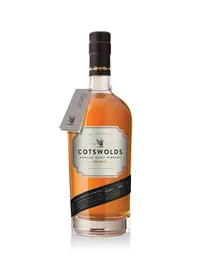
Cotswolds Single Malt Whisky
46.0% ABV · 70cl
from £45.50 shelf price 3 retailers
£50.45 delivered
Price gap up to £11.50
Compare prices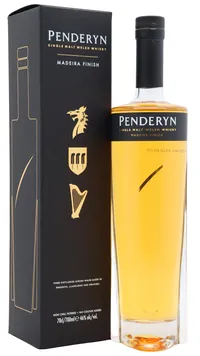
Penderyn Madeira Finish Single Malt Welsh Whisky
70cl
from £37.95 shelf price 2 retailers
£43.90 delivered
Price gap up to £3.00
Compare prices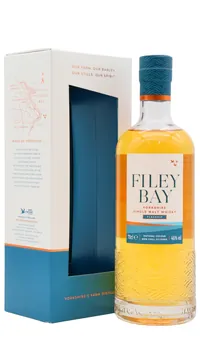
Filey Bay Flagship Single Malt Whisky
46.0% ABV · 70cl
from £54.95 shelf price 3 retailers
£60.90 delivered
Price gap up to £7.05
Compare pricesFlight 9: Europe’s whisky makers
What happens when distillers outside the British Isles use local grain and local wood instead of borrowing Scotland’s habits? Each of these four does something Scotch can’t or rarely bothers with: French oak and Cognac casks, Finnish rye, Danish rye in a blend, and tiny Swedish 40-litre casks. Our guide to European whisky covers more distilleries.
On smaller screens, scroll sideways to see every column.
| # | Country | Whisky | What’s distinctive | ABV |
|---|---|---|---|---|
| 1 | France | Brenne Estate Cask | Single malt from Cognac country, matured in new Limousin oak and former Cognac casks | 40% |
| 2 | Finland | Kyrö Malt Rye | 100% malted wholegrain Finnish rye, matured in new American oak (Kyrö) | 47.2% |
| 3 | Denmark | Stauning KAOS | Stauning’s rye, single malt and peated malt, matured separately then blended (Stauning) | 46% |
| 4 | Sweden | High Coast Hav | Peated and unpeated spirit, started in 40-litre casks then moved to bourbon barrels | 48% |
Compare Kyrö with the Rittenhouse in Flight 4: both are rye whiskies, but Kyrö is made entirely from malted rye. The two whiskies with peated spirit go last. Stauning’s smoke sits in a rye-rich blend, while High Coast’s is closer to the Scotch style. European bottles are listed less consistently than core-range Scotch, so check the cards below before planning the flight around one.
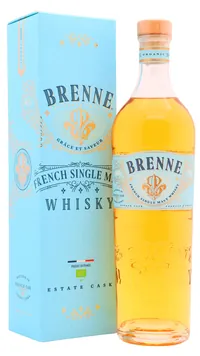
Brenne Estate Cask French Single Malt Whisky
70cl
from £53.90 shelf price 2 retailers
£58.85 delivered
Price gap up to £1.05
Compare prices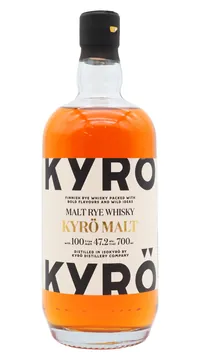
Kyro Malt Rye Whisky
70cl
from £40.95 shelf price 2 retailers
£45.90 delivered
Price gap up to £10.00
Compare prices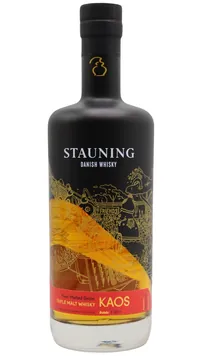
Stauning Kaos Triple Malt
46.0% ABV · 70cl
from £66.40 shelf price 4 retailers
£70.90 delivered
Price gap up to £15.60
Compare prices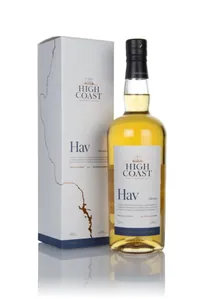
High Coast Hav - Oak Spice Single Malt Whisky
48.0% ABV · 70cl
from £57.29 shelf price 1 retailer
£62.24 delivered
Compare pricesFlight 10: The Americas beyond standard bourbon
How much range is there in North American whiskey? Flight 4 set corn-led bourbon against rye. This flight shows what happens when you filter through charcoal, change the secondary grain, switch to all barley, or cross the border into Canada, where the blending rules turn unusually permissive. Our guide to what bourbon is covers the American rules.
On smaller screens, scroll sideways to see every column.
| # | Style | Whisky | Recipe and rules | ABV |
|---|---|---|---|---|
| 1 | Tennessee whiskey | Gentleman Jack | 80% corn, 12% malted barley, 8% rye; maple charcoal filtered before and after ageing (Jack Daniel’s) | 40% |
| 2 | Wheated bourbon | Maker’s Mark | Widely reported as 70% corn, 16% red winter wheat, 14% malted barley | 45% |
| 3 | American single malt | Westland American Single Malt | 100% malted barley, one distillery (TTB standard) | 46% |
| 4 | Canadian rye | Crown Royal Northern Harvest Rye (1 litre) | Blended from a 90% rye mash | 45% |
| 5 | High-rye bourbon | Four Roses Single Barrel | Recipe OBSV: 60% corn, 35% rye, 5% malted barley (Four Roses) | 50% |
Compare 2 and 5 for the second grain. Both are bourbons, yet one uses wheat and the other 35% rye. Tennessee law insists its whiskey pass through maple charcoal before it goes into the barrel, the Lincoln County Process, and Gentleman Jack goes through a second time after ageing for good measure. American single malt has had a legal definition only since 19 January 2025, and unlike bourbon it may use used or uncharred casks. Canada, meanwhile, allows small amounts of other spirits or wine under its wonderfully exact 9.09% rule. Maker’s Mark declines to publish its mash bill, leaving everyone to repeat the same long-standing reported figures, whereas Four Roses publishes all ten of its recipes without being asked twice.
Gentleman Jack 70cl
40.0% ABV · 70cl
from £48.00 shelf price 2 retailers
£52.99 delivered
Compare prices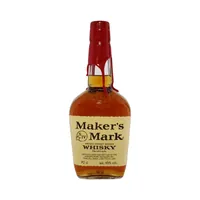
Maker's Mark Bourbon
45.0% ABV · 70cl
from £35.00 shelf price 2 retailers
£39.99 delivered
Compare prices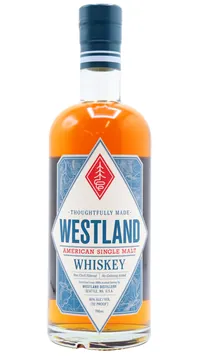
Westland Distillery American Single Malt Whiskey
46.0% ABV · 70cl
from £54.95 shelf price 1 retailer
£60.90 delivered
Compare prices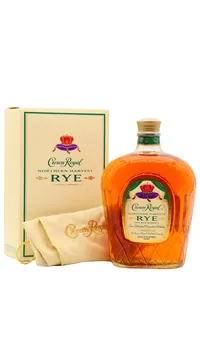
Crown Royal Northern Harvest Rye Blended Canadian Whisky 100cl
100cl
from £59.95 shelf price 1 retailer
£65.90 delivered
Compare prices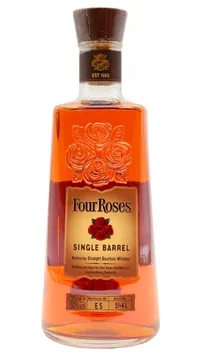
Four Roses Single Barrel Bourbon 70cl
50.0% ABV · 70cl
from £44.95 shelf price 4 retailers
£49.90 delivered
Price gap up to £10.05
Compare pricesCask types at a glance
Scotch must mature for at least three years in oak casks of no more than 700 litres. Within that ceiling, two choices do most of the work: the size of the cask and what used to live in it.
The smaller the cask, the more wood surface the spirit meets, so flavour and colour arrive faster and more is lost to evaporation. Sources differ slightly on volumes, so these are typical ranges; our guide to the hogshead covers the most common size, the workhorse of the warehouse.
On smaller screens, scroll sideways to see every column.
| Cask | Approximate volume | Typical use |
|---|---|---|
| Quarter cask | 50 to 80 litres | Fast maturation or finishing |
| American standard barrel | About 200 litres | Bourbon’s barrel, then the most common cask in Scotch |
| Hogshead | About 225 to 250 litres | Usually rebuilt from barrel staves |
| Butt | About 475 to 500 litres | The classic sherry cask |
| Port pipe | About 550 to 650 litres | Port finishes |
| Puncheon | About 500 to 700 litres | Sherry or rum; slower maturation |
The spirit draws flavour from the oak and from whatever soaked into it (Cotswolds Distillery). These are the flavours each fill is usually associated with:
| Previous fill | Usually associated with |
|---|---|
| Ex-bourbon | Vanilla, coconut, caramel; a pale colour |
| Oloroso sherry | Dried fruit, nuts, spice |
| Pedro Ximénez sherry | Syrupy sweetness, raisins |
| Fino or manzanilla sherry | Drier, saline notes |
| Port | Red fruit, plum |
| Red wine | Red berries and more tannin |
| Rum | Molasses, brown sugar, tropical fruit |
| Virgin oak | Heavy wood, vanilla and caramel |
A first-fill cask is taking whisky for the first time since its original contents left, so it speaks loudest. Refill casks are quieter, which is why they suit long ageing; an old whisky from a first-fill cask can end up tasting mostly of furniture.
About these examples
The flights are built from producers’ published cask, grain and strength details, the laws and standards linked in each section, and our catalogue. We have not tasted them on the reader’s behalf, so the tables describe what each comparison isolates rather than how each whisky tastes. Bottles were chosen from those with a published page and current offers when we wrote the guide on 22 November 2026; the cards under each flight show only bottles with a current price, so a gap in a grid means that bottle needs a substitute.
Questions
How many whiskies should be in a tasting flight?
What order should you taste whisky in?
What is a good first whisky flight?
Can a Scotch whisky be matured in chestnut or cherry wood?
About the author
