
Port Charlotte 10 Year Old
10 years · 50.0% ABV · 70cl
from £54.95 5 retailers
£59.90 delivered
Save up to £14.05
Compare prices“Heavily peated” is a convention, not a legal term: it usually means malt dried to around 40 ppm phenols or more, a figure measured in the barley rather than the glass. This page lists the heavily peated whiskies we track, with the best current UK price for each.
Most of the list comes from Bruichladdich’s Octomore and Port Charlotte ranges and from Ardbeg, but bottles from Westland and Ben Nevis show it is not only an Islay style. For most bottles the tag reflects the distillery’s usual style rather than a printed ppm, so treat it as a guide and check the label where a figure is given. The wider list is on peated whisky.
For what phenols do between still and cask, see Whiskipedia on phenols. Prices are the best current in-stock offer from the UK retailers we check (how we compare prices).
124 bottles in stock, with the best current price from the UK retailers we check.
10 years · 50.0% ABV · 70cl
from £54.95 5 retailers
£59.90 delivered
Save up to £14.05
Compare prices
50.0% ABV · 70cl
from £73.50 5 retailers
£78.45 delivered
Save up to £13.50
Compare prices
46.0% ABV · 70cl
from £45.24 4 retailers
£50.19 delivered
Save up to £11.76
Compare prices
46.6% ABV · 70cl
from £45.70 4 retailers
£50.65 delivered
Save up to £11.30
Compare prices
57.1% ABV · 70cl
from £74.95 4 retailers
£79.95 delivered
Save up to £8.05
Compare prices
59.1% ABV · 70cl
from £138.50 4 retailers
£138.50 delivered
Save up to £61.45
Compare prices
59.7% ABV · 70cl
from £142.95 4 retailers
£142.95 delivered
Save up to £2.00
Compare prices
59.5% ABV · 70cl
from £157.50 4 retailers
£157.50 delivered
Save up to £0.50
Compare prices
5 years · 61.6% ABV · 70cl
from £189.50 4 retailers
£189.50 delivered
Save up to £5.50
Compare prices
60.9% ABV · 70cl
from £199.00 4 retailers
£199.00 delivered
Save up to £0.95
Compare prices
7 years · 57.1% ABV · 70cl
from £49.00 3 retailers
£53.99 delivered
Save up to £0.95
Compare prices
12 years · 46.0% ABV · 70cl
from £52.90 3 retailers
£57.85 delivered
Save up to £7.10
Compare prices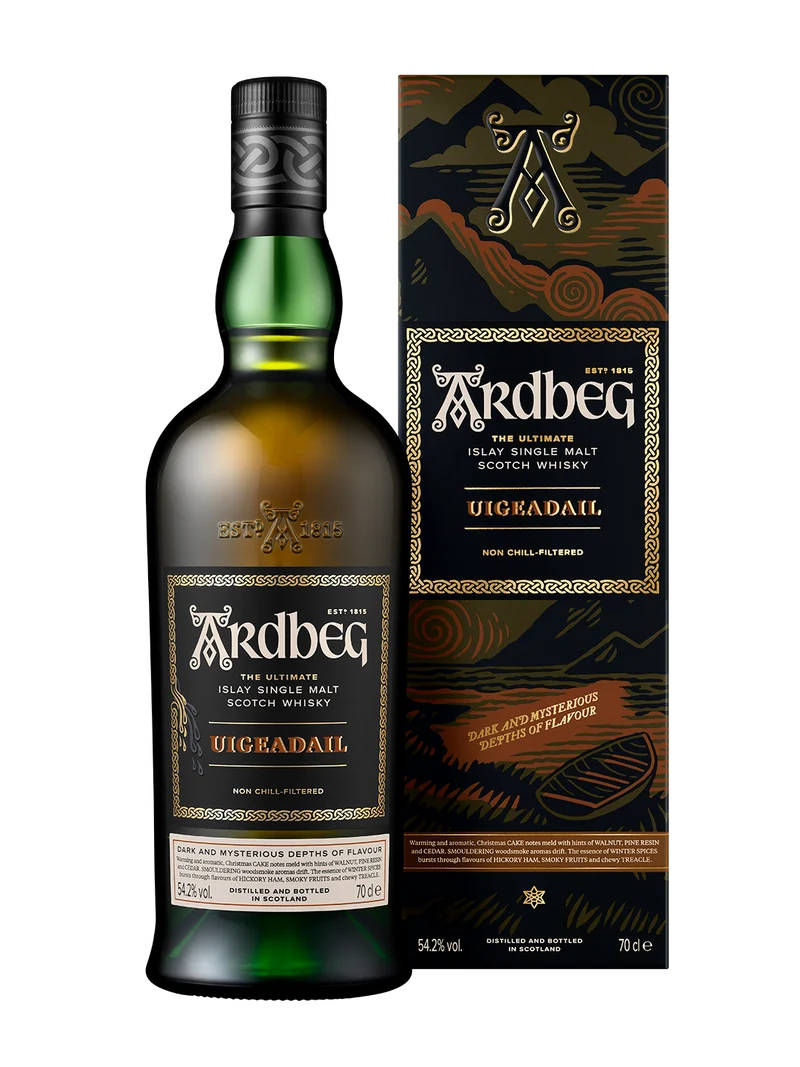
54.2% ABV · 70cl
from £62.50 3 retailers
£67.45 delivered
Save up to £12.50
Compare prices
15 years · 48.8% ABV · 70cl
from £74.95 3 retailers
£80.90 delivered
Save up to £5.05
Compare prices
47.8% ABV · 70cl
from £83.50 3 retailers
£88.45 delivered
Save up to £1.50
Compare prices
48.3% ABV · 70cl
from £89.95 3 retailers
£95.90 delivered
Save up to £5.05
Compare prices
50.1% ABV · 70cl
from £120.00 3 retailers
£120.00 delivered
Save up to £30.00
Compare prices
57.9% ABV · 70cl
from £149.99 3 retailers
£149.99 delivered
Save up to £24.96
Compare prices
23 years · 46.0% ABV · 70cl
from £625.00 3 retailers
£625.00 delivered
Save up to £44.95
Compare prices
24 years · 46.0% ABV · 70cl
from £999.00 3 retailers
£999.00 delivered
Save up to £800.95
Compare prices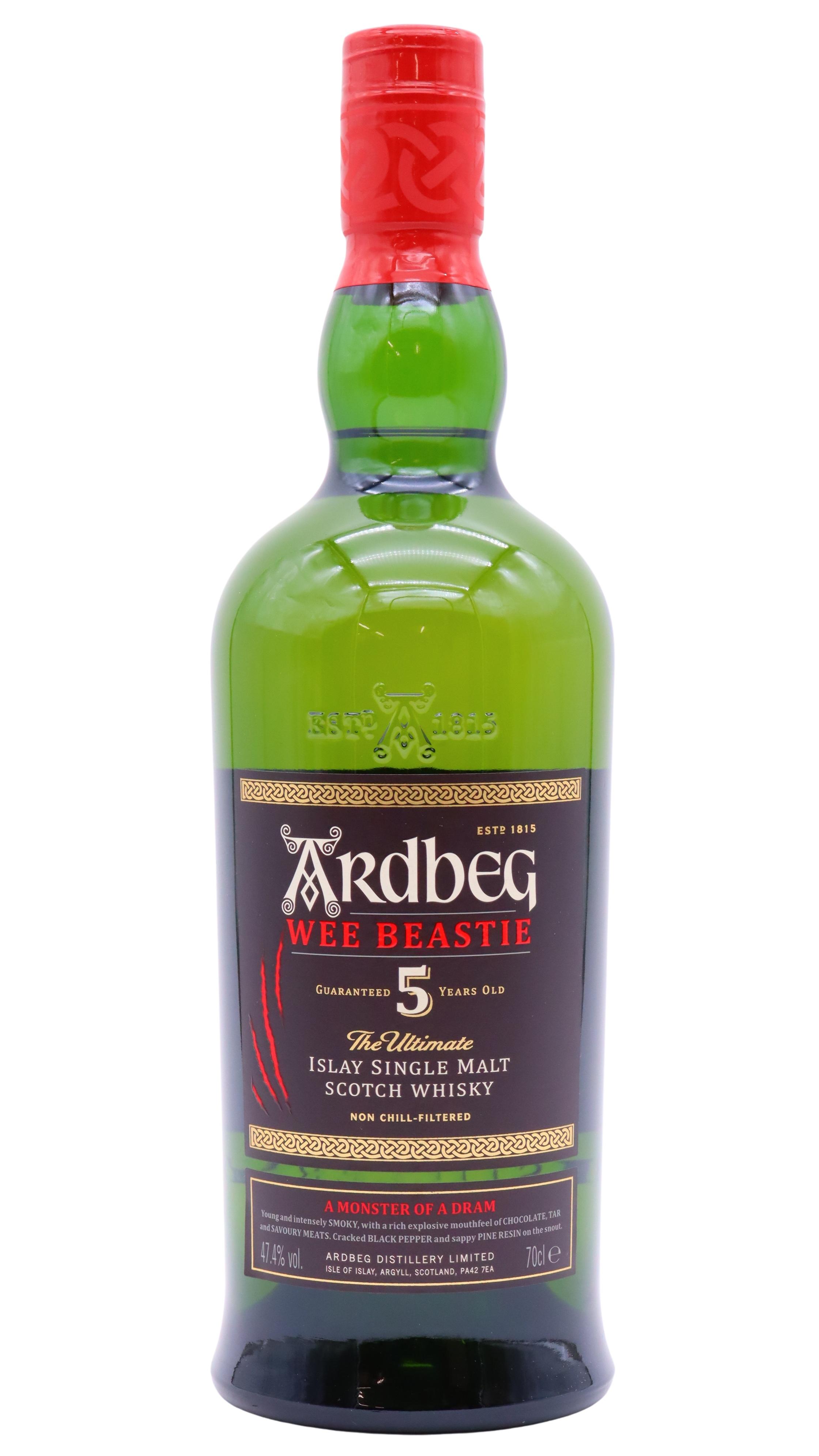
5 years · 47.4% ABV · 70cl
from £32.95 2 retailers
£37.90 delivered
Save up to £2.00
Compare prices
9 years · 70cl
from £61.95 2 retailers
£66.90 delivered
Save up to £22.00
Compare prices
9 years · 54.3% ABV · 70cl
from £64.95 2 retailers
£70.90 delivered
Save up to £3.05
Compare prices
14 years · 70cl
from £95.50 2 retailers
£100.45 delivered
Save up to £3.45
Compare prices
70cl
from £99.00 2 retailers
£103.95 delivered
Save up to £50.95
Compare prices
70cl
from £99.99 2 retailers
£99.99 delivered
Save up to £49.96
Compare prices
70cl
from £108.99 2 retailers
£108.99 delivered
Save up to £40.96
Compare prices
46.0% ABV · 100cl
from £116.95 2 retailers
£116.95 delivered
Save up to £2.00
Compare prices
59.3% ABV · 70cl
from £140.00 2 retailers
£140.00 delivered
Compare prices
46.0% ABV · 70cl
from £149.95 2 retailers
£149.95 delivered
Save up to £0.05
Compare prices
50.9% ABV · 70cl
from £150.00 2 retailers
£150.00 delivered
Save up to £19.95
Compare prices
51.7% ABV · 70cl
from £169.00 2 retailers
£169.00 delivered
Save up to £120.95
Compare prices
18 years · 70cl
from £169.90 2 retailers
£169.90 delivered
Save up to £10.05
Compare prices
48.2% ABV · 70cl
from £175.00 2 retailers
£175.00 delivered
Save up to £14.95
Compare prices
51.6% ABV · 70cl
from £199.00 2 retailers
£199.00 delivered
Save up to £50.95
Compare prices
50.2% ABV · 70cl
from £199.95 2 retailers
£199.95 delivered
Save up to £40.05
Compare prices
19 years · 46.2% ABV · 70cl
from £228.95 2 retailers
£228.95 delivered
Save up to £0.95
Compare prices
19 years · 46.2% ABV · 70cl
from £238.95 2 retailers
£238.95 delivered
Save up to £11.00
Compare prices
46.0% ABV · 70cl
from £239.95 2 retailers
£239.95 delivered
Save up to £10.05
Compare prices
13 years · 49.4% ABV · 70cl
from £240.00 2 retailers
£240.00 delivered
Save up to £109.95
Compare prices
49.2% ABV · 70cl
from £250.00 2 retailers
£250.00 delivered
Save up to £249.95
Compare prices
5 years · 59.8% ABV · 70cl
from £250.00 2 retailers
£250.00 delivered
Save up to £99.95
Compare prices
19 years · 46.2% ABV · 70cl
from £259.95 2 retailers
£259.95 delivered
Save up to £39.05
Compare prices
12 years · 40.0% ABV · 70cl
from £270.00 2 retailers
£270.00 delivered
Save up to £29.00
Compare prices
50.7% ABV · 70cl
from £299.00 2 retailers
£299.00 delivered
Save up to £50.95
Compare prices
53.8% ABV · 70cl
from £299.00 2 retailers
£299.00 delivered
Save up to £200.95
Compare prices
19 years · 70cl
from £299.95 2 retailers
£299.95 delivered
Save up to £50.05
Compare prices
19 years · 70cl
from £512.50 2 retailers
£512.50 delivered
Save up to £37.45
Compare pricesLearn more about Heavily peated on Whiskipedia