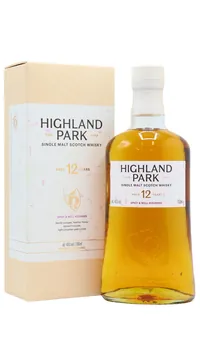
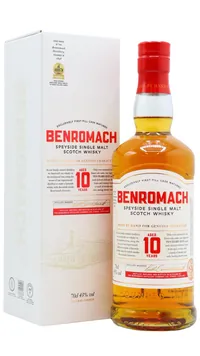
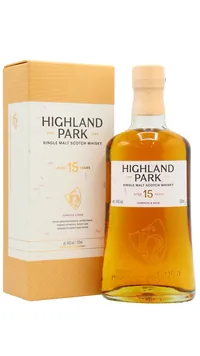
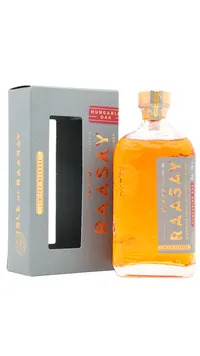
Lightly peated whisky

“Lightly peated” is a convention, not a legal term: the smoke stays behind the malt rather than leading it, and the figure, where one is given, is measured in the barley before distillation. This page lists the lightly peated whiskies we track, with the best current UK price for each.

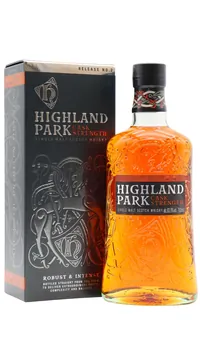
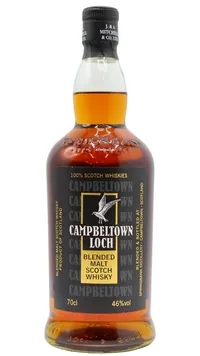
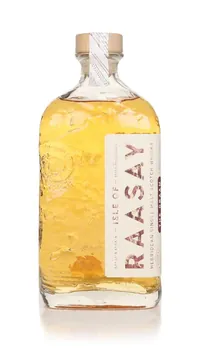
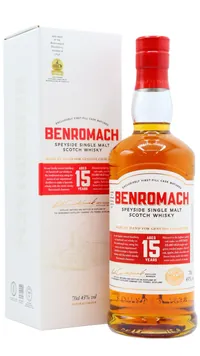
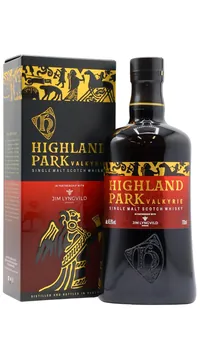
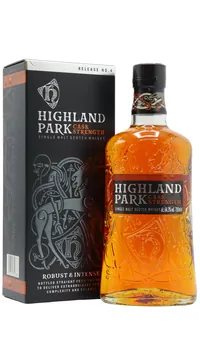
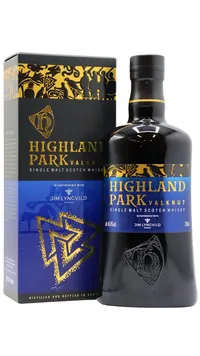
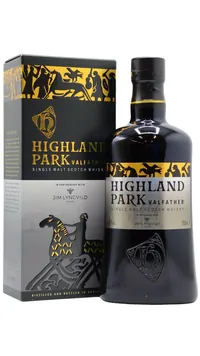
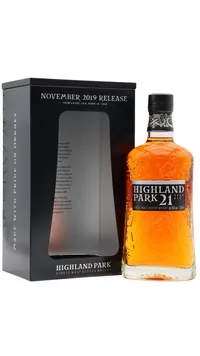
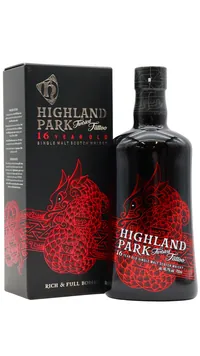
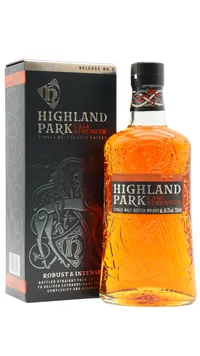
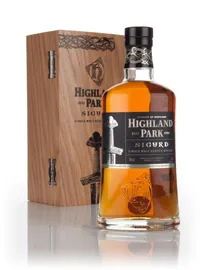
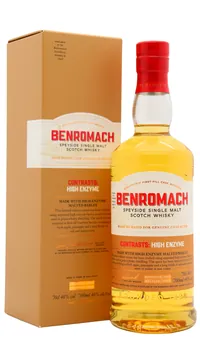
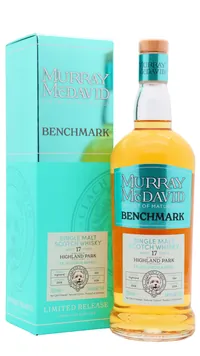
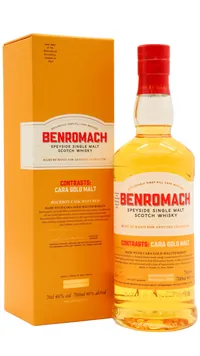
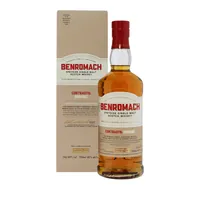
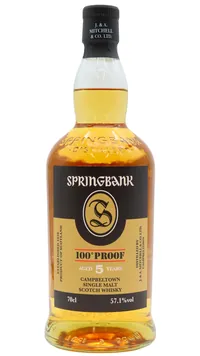
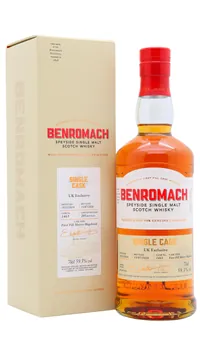
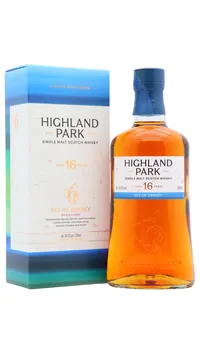
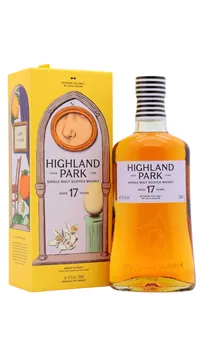
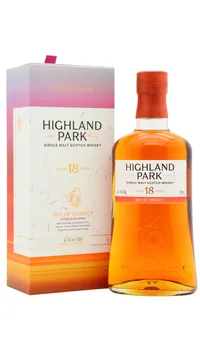
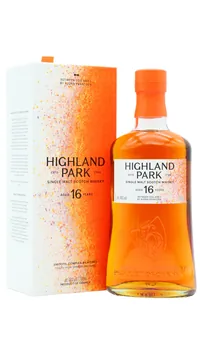
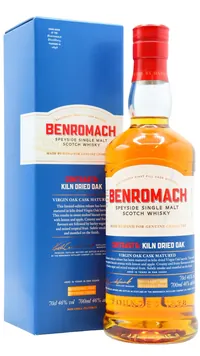
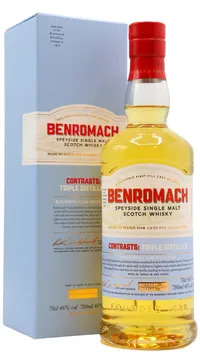
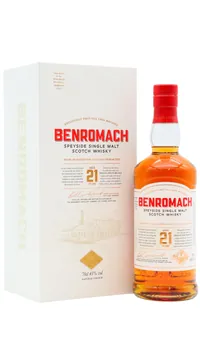
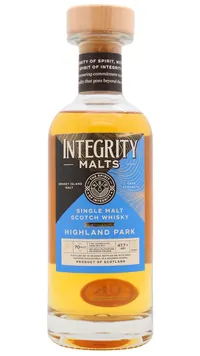
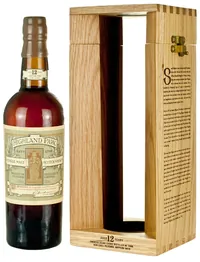
The list is dominated by Highland Park, whose gentle smoke comes from Orkney’s heather peat, with Springbank from Campbeltown, Benromach from Speyside and newer names such as Isle of Raasay. For most bottles the tag reflects the distillery’s usual style rather than a printed ppm, so treat it as a guide and check the label where a figure is given. Heavier smoke is on heavily peated, and the wider list on peated whisky.

For what phenols do between still and glass, see our guide to peat, phenols and ppm. Prices are the best current in-stock offer from the UK retailers we check (how we compare prices).
66 bottles in stock. How we count

Questions

What is the cheapest lightly peated whisky?

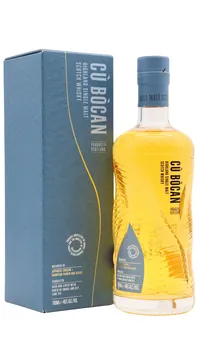
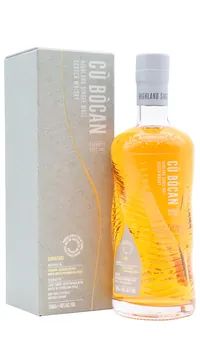
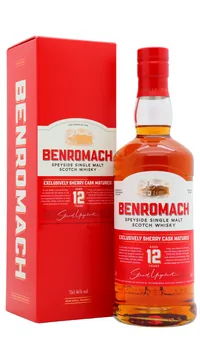
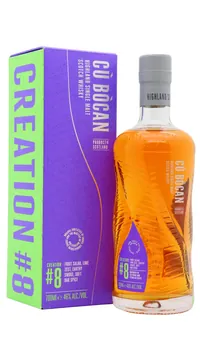
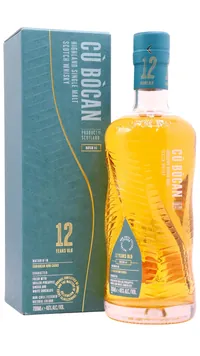
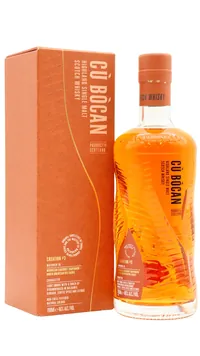
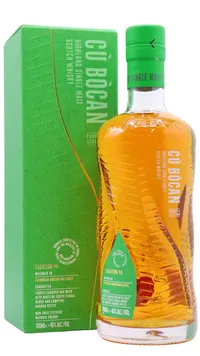
The cheapest lightly peated whisky is Cu Bocan Signature, Oloroso & Virgin Oak Casks (46% ABV, 70cl), at £34.95 from Hard To Find Whisky. That is £40.90 delivered to the UK mainland for one bottle. Next cheapest: Benromach 10 Year Old (£37.87) and Highland Park 12 Year Old (Old Packaging) Island Single Malt Scotch Whisky 70cl (£39.90).
How much does lightly peated whisky cost?

Lightly peated whisky costs from £34.95 to £9,912.00, with a median of £99.95 for a full-size bottle (50cl to 1 litre). The dearest is Springbank 1965 Local Barley 36 Year Old #7.
What is the oldest lightly peated whisky you can buy?

What is ppm in peated whisky?

Phenol parts per million: a measure of the smoky phenols, measured by liquid chromatography. The figure on a label is usually taken from the malted barley, not the whisky, so it says little about how smoky the bottle will be.

How are peat levels classified?

There is no legal scale, but whiskies are generally called lightly peated at 10 ppm or less and medium peated at around 20 to 30 ppm. Sources put the heavily peated line at 40 ppm or at 50 ppm. Among peated Scotch malts, 35 to 55 ppm is a common range.

Does peat smoke fade as whisky ages?

Yes. Phenols keep breaking down in the cask, so the same spirit is smokier at 10 years than at 18 or 25. Laphroaig 25 Year Old is still smoky, but much less medicinal than the 10 Year Old.

Can a whisky taste smoky without being peated?

Yes. Charring an oak barrel creates phenolic compounds similar to peat smoke, so smoky or medicinal notes can appear in unpeated whisky. A finish in a cask that previously held peated whisky can also add smoke.

What ppm is lightly peated?

There is no legal definition. We use lightly peated for malt below about 20 ppm phenols in the barley, measured before distillation rather than in the glass, and we tag a bottle lightly peated from its label or the distillery’s usual style, because many labels give no figure at all. For Springbank’s malt, for example, Whiskipedia gives 12 to 15 ppm. Highland Park’s gentle smoke comes from Orkney’s heather peat, from the fifth of its malt it makes on its own floors, and Springbank and Benromach describe their core malts as lightly peated. See our guide to peat, phenols and ppm.