
Talisker Skye
45.8% ABV · 70cl
from £33.95 5 retailers
£38.90 delivered
Save up to £21.00
Compare pricesPeated whisky gets its smoke from malted barley dried over peat. This page lists bottles labelled peated, from peated sub-brands, or from distilleries whose usual style is peated. Most peat tags here are inferred from house style, so check the bottle page rather than treating the tag as a label statement.
Islay names include Ardbeg, Laphroaig, Lagavulin and Octomore, but the list also includes Highland, Island, Irish and Indian whisky. A ppm figure measures phenols in the malt before distillation, not smoke in the glass. For how peat smoke is infused, still cut points and why barley PPM differs from smoke in the glass, see our guide to peat, phenols, and PPM. For a narrower list, see heavily peated whisky; for stated ppm figures against price, see peat level vs price.
Prices are the best current in-stock offer from the UK retailers we check (how we compare prices).
350 bottles in stock, with the best current price from the UK retailers we check.
45.8% ABV · 70cl
from £33.95 5 retailers
£38.90 delivered
Save up to £21.00
Compare prices
10 years · 45.8% ABV · 70cl
from £39.15 5 retailers
£44.10 delivered
Save up to £12.80
Compare prices
45.8% ABV · 70cl
from £45.95 5 retailers
£50.90 delivered
Save up to £15.00
Compare prices
45.8% ABV · 70cl
from £50.36 5 retailers
£55.31 delivered
Save up to £19.59
Compare prices
16 years · 43.0% ABV · 70cl
from £72.95 5 retailers
£77.90 delivered
Save up to £21.00
Compare prices
46.0% ABV · 70cl
from £33.00 4 retailers
£37.95 delivered
Save up to £1.95
Compare prices
46.3% ABV · 70cl
from £33.92 4 retailers
£38.87 delivered
Save up to £12.08
Compare prices
46.0% ABV · 70cl
from £36.95 4 retailers
£41.90 delivered
Save up to £14.05
Compare prices
12 years · 40.0% ABV · 70cl
from £38.50 4 retailers
£43.45 delivered
Save up to £3.45
Compare prices
10 years · 46.3% ABV · 70cl
from £39.50 4 retailers
£44.45 delivered
Save up to £8.45
Compare prices
10 years · 46.0% ABV · 70cl
from £40.52 4 retailers
£45.47 delivered
Save up to £4.48
Compare prices
12 years · 46.0% ABV · 70cl
from £42.00 4 retailers
£46.95 delivered
Save up to £2.95
Compare prices
46.0% ABV · 70cl
from £42.63 4 retailers
£47.58 delivered
Save up to £4.37
Compare prices
10 years · 40.0% ABV · 70cl
from £44.00 4 retailers
£48.95 delivered
Save up to £9.95
Compare prices
46.0% ABV · 70cl
from £44.25 4 retailers
£49.20 delivered
Save up to £9.75
Compare prices
43.5% ABV · 70cl
from £49.50 4 retailers
£54.45 delivered
Save up to £0.50
Compare prices
10 years · 48.0% ABV · 70cl
from £49.95 4 retailers
£55.90 delivered
Save up to £5.05
Compare prices
46.0% ABV · 70cl
from £51.95 4 retailers
£56.90 delivered
Save up to £6.00
Compare prices
13 years · 43.0% ABV · 70cl
from £52.50 4 retailers
£57.45 delivered
Save up to £14.50
Compare prices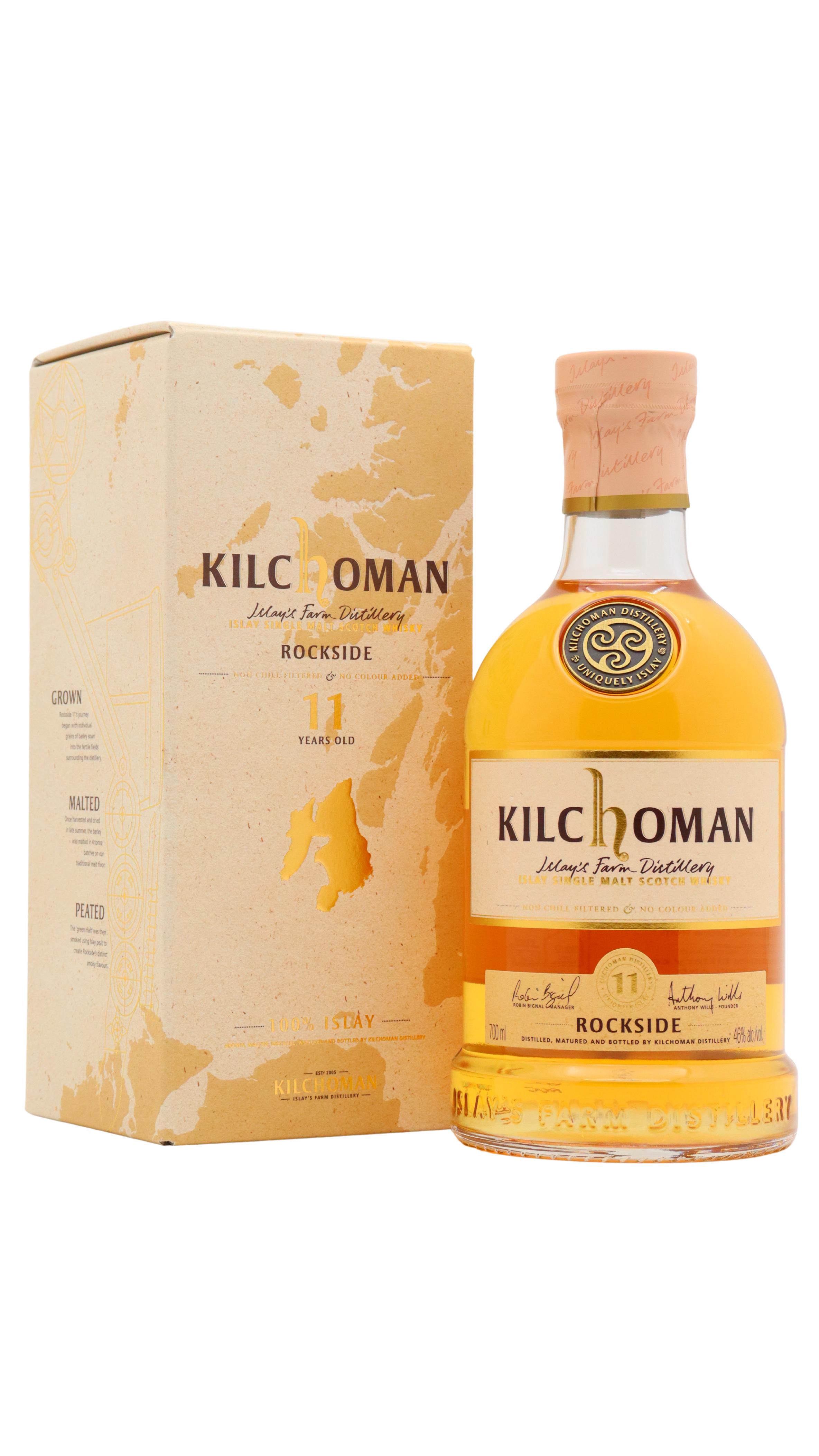
11 years · 46.0% ABV · 70cl
from £52.95 4 retailers
£57.90 delivered
Save up to £12.00
Compare prices
50.0% ABV · 70cl
from £54.95 4 retailers
£59.90 delivered
Save up to £4.55
Compare prices
46.0% ABV · 70cl
from £56.60 4 retailers
£61.55 delivered
Save up to £10.40
Compare prices
46.0% ABV · 70cl
from £56.60 4 retailers
£61.55 delivered
Save up to £17.40
Compare prices
61.1% ABV · 70cl
from £59.95 4 retailers
£65.90 delivered
Save up to £7.00
Compare prices
50.0% ABV · 70cl
from £69.95 4 retailers
£74.99 delivered
Save up to £4.55
Compare prices
60.2% ABV · 70cl
from £75.00 4 retailers
£79.99 delivered
Save up to £4.95
Compare prices
14 years · 48.3% ABV · 70cl
from £80.50 4 retailers
£85.45 delivered
Save up to £11.50
Compare prices
18 years · 46.3% ABV · 70cl
from £89.90 4 retailers
£94.85 delivered
Save up to £10.05
Compare prices
43.0% ABV · 70cl
from £89.96 4 retailers
£94.91 delivered
Save up to £29.99
Compare prices
48.0% ABV · 70cl
from £121.95 4 retailers
£121.95 delivered
Save up to £8.00
Compare prices
18 years · 48.0% ABV · 70cl
from £174.00 4 retailers
£174.00 delivered
Save up to £4.95
Compare prices
29 years · 53.7% ABV · 70cl
from £1,500.00 4 retailers
£1,500.00 delivered
Save up to £350.00
Compare prices
40.0% ABV · 70cl
from £28.50 3 retailers
£33.45 delivered
Save up to £17.50
Compare prices
5 years · 48.0% ABV · 70cl
from £43.00 3 retailers
£47.95 delivered
Compare prices
5 years · 50.0% ABV · 70cl
from £43.00 3 retailers
£47.95 delivered
Compare prices
48.0% ABV · 70cl
from £44.00 3 retailers
£48.99 delivered
Save up to £0.95
Compare prices
46.3% ABV · 70cl
from £44.95 3 retailers
£50.90 delivered
Save up to £1.05
Compare prices
50.0% ABV · 70cl
from £44.95 3 retailers
£50.90 delivered
Save up to £14.05
Compare prices
52.8% ABV · 70cl
from £47.90 3 retailers
£52.40 delivered
Save up to £12.05
Compare prices
46.0% ABV · 70cl
from £48.90 3 retailers
£53.85 delivered
Save up to £4.10
Compare prices
12 years · 43.0% ABV · 70cl
from £49.95 3 retailers
£54.94 delivered
Compare prices
46.0% ABV · 70cl
from £51.12 3 retailers
£56.07 delivered
Save up to £12.88
Compare prices
43.6% ABV · 70cl
from £56.90 3 retailers
£61.85 delivered
Save up to £10.05
Compare prices
55.0% ABV · 70cl
from £62.95 3 retailers
£68.90 delivered
Save up to £6.05
Compare prices
50.0% ABV · 70cl
from £63.95 3 retailers
£68.90 delivered
Save up to £0.05
Compare prices
43.0% ABV · 70cl
from £63.95 3 retailers
£69.90 delivered
Save up to £10.05
Compare prices
15 years · 43.0% ABV · 70cl
from £64.95 3 retailers
£70.90 delivered
Save up to £7.05
Compare prices
61.0% ABV · 70cl
from £67.50 3 retailers
£72.49 delivered
Save up to £5.00
Compare pricesLearn more about Peated on Whiskipedia