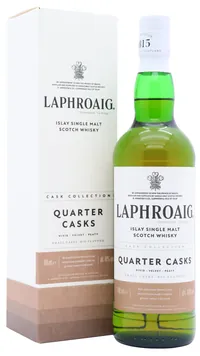
Laphroaig Quarter Casks Islay Single Malt Scotch Whisky
70cl
from £43.50 shelf price from £48.45 delivered to a UK mainland address 2 retailers
£48.45 delivered
£43.50 shelf price
Price gap up to £6.45
Delivered price gap up to £7.45
Compare pricesThis is the live list of peated whisky whose best current UK price is under £50, from Islay, Skye, Mull, the Highlands and Ireland, and bottles near the boundary come and go. For picks, see best peated whisky under £50. Some bottles are tagged peated from the distillery’s house style, not the label. Also see peated whisky, heavily peated whisky and whisky £30 to £50. Prices are the best current in-stock offer from the UK retailers we check (how we compare prices).
62 bottles in stock. How we count
70cl
from £43.50 shelf price from £48.45 delivered to a UK mainland address 2 retailers
£48.45 delivered
£43.50 shelf price
Price gap up to £6.45
Delivered price gap up to £7.45
Compare prices
46.0% ABV · 70cl
from £43.95 shelf price from £48.90 delivered to a UK mainland address 5 retailers
£48.90 delivered
£43.95 shelf price
Price gap up to £14.95
Delivered price gap up to £14.50
Compare prices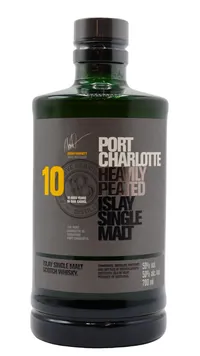
10 years · 50.0% ABV · 70cl
from £38.95 shelf price from £43.90 delivered to a UK mainland address 6 retailers
£43.90 delivered
£38.95 shelf price
Price gap up to £30.05
Delivered price gap up to £30.09
Compare prices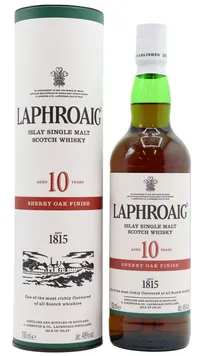
10 years · 48.0% ABV · 70cl
from £37.00 shelf price from £41.95 delivered to a UK mainland address 4 retailers
£41.95 delivered
£37.00 shelf price
Price gap up to £18.00
Delivered price gap up to £18.04
Compare prices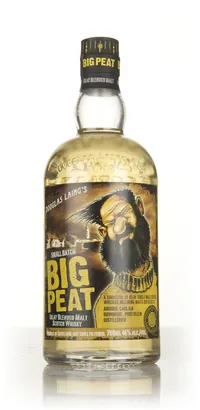
46.0% ABV · 70cl
from £34.99 shelf price from £39.94 delivered to a UK mainland address 1 retailer
£39.94 delivered
£34.99 shelf price
Compare prices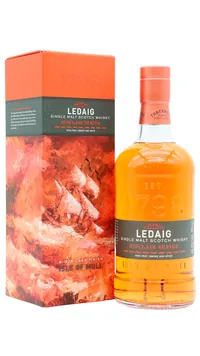
46.3% ABV · 70cl
from £26.92 shelf price from £31.87 delivered to a UK mainland address 4 retailers
£31.87 delivered
£26.92 shelf price
Price gap up to £19.08
Delivered price gap up to £19.12
Compare prices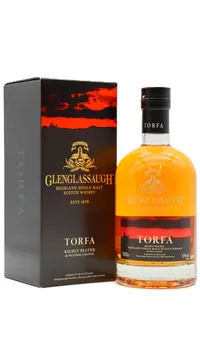
50.0% ABV · 70cl
from £44.95 shelf price from £50.90 delivered to a UK mainland address 3 retailers
£50.90 delivered
£44.95 shelf price
Price gap up to £14.05
Delivered price gap up to £13.09
Compare prices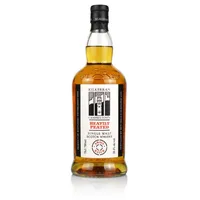
58.3% ABV · 70cl
from £49.99 shelf price from £54.49 delivered to a UK mainland address 1 retailer
£54.49 delivered
£49.99 shelf price
Compare prices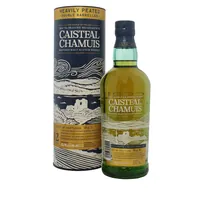
12 years · 46.0% ABV · 70cl
from £48.95 shelf price from £53.45 delivered to a UK mainland address 4 retailers
£53.45 delivered
£48.95 shelf price
Price gap up to £11.05
Delivered price gap up to £11.54
Compare prices
52.8% ABV · 70cl
from £47.90 shelf price from £52.40 delivered to a UK mainland address 3 retailers
£52.40 delivered
£47.90 shelf price
Price gap up to £12.05
Delivered price gap up to £13.50
Compare prices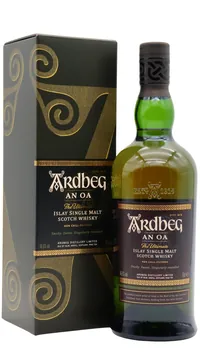
46.6% ABV · 70cl
from £44.91 shelf price from £49.86 delivered to a UK mainland address 4 retailers
£49.86 delivered
£44.91 shelf price
Price gap up to £12.09
Delivered price gap up to £12.13
Compare prices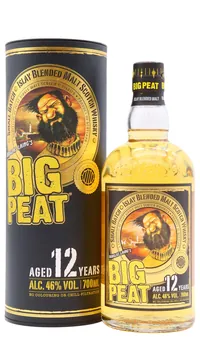
12 years · 46.0% ABV · 70cl
from £48.00 shelf price from £52.95 delivered to a UK mainland address 2 retailers
£52.95 delivered
£48.00 shelf price
Price gap up to £6.95
Delivered price gap up to £7.95
Compare prices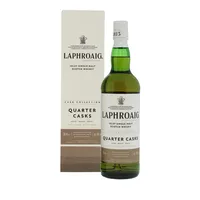
48.0% ABV · 70cl
from £47.00 shelf price from £51.99 delivered to a UK mainland address 2 retailers
£51.99 delivered
£47.00 shelf price
Compare prices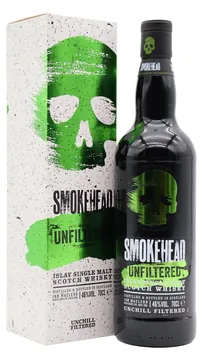
46.0% ABV · 70cl
from £35.90 shelf price from £40.85 delivered to a UK mainland address 4 retailers
£40.85 delivered
£35.90 shelf price
Price gap up to £15.10
Delivered price gap up to £15.14
Compare prices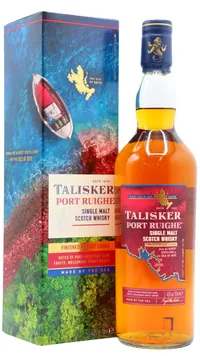
45.8% ABV · 70cl
from £45.70 shelf price from £50.65 delivered to a UK mainland address 5 retailers
£50.65 delivered
£45.70 shelf price
Price gap up to £24.25
Delivered price gap up to £25.25
Compare prices
46.0% ABV · 70cl
from £48.90 shelf price from £53.85 delivered to a UK mainland address 4 retailers
£53.85 delivered
£48.90 shelf price
Price gap up to £4.10
Delivered price gap up to £4.14
Compare prices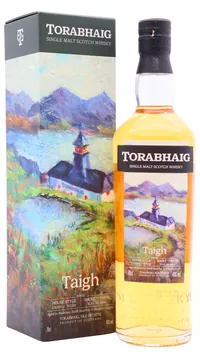
46.0% ABV · 70cl
from £37.63 shelf price from £42.58 delivered to a UK mainland address 4 retailers
£42.58 delivered
£37.63 shelf price
Price gap up to £9.37
Delivered price gap up to £10.32
Compare prices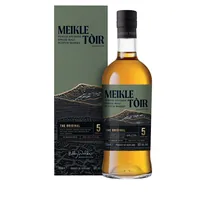
5 years · 50.0% ABV · 70cl
from £43.00 shelf price from £47.95 delivered to a UK mainland address 3 retailers
£47.95 delivered
£43.00 shelf price
Delivered price gap up to £0.04
Compare prices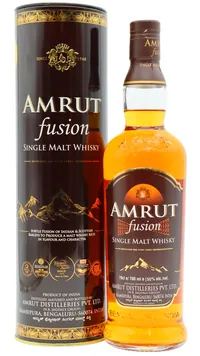
70cl
from £49.95 shelf price from £55.90 delivered to a UK mainland address 2 retailers
£55.90 delivered
£49.95 shelf price
Price gap up to £2.61
Delivered price gap up to £1.61
Compare prices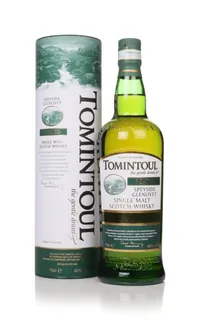
40.0% ABV · 70cl
from £34.90 shelf price from £39.85 delivered to a UK mainland address 1 retailer
£39.85 delivered
£34.90 shelf price
Compare prices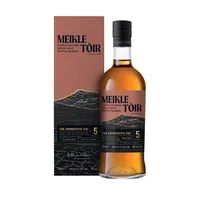
5 years · 48.0% ABV · 70cl
bourbon cask, multi cask, virgin oak · Bourbon cask · Multiple cask types · Virgin oak
from £43.00 shelf price from £47.95 delivered to a UK mainland address 3 retailers
£47.95 delivered
£43.00 shelf price
Delivered price gap up to £0.04
Compare prices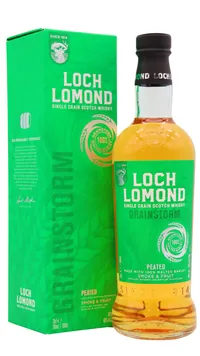
46.0% ABV · 70cl
from £33.00 shelf price from £37.95 delivered to a UK mainland address 4 retailers
£37.95 delivered
£33.00 shelf price
Price gap up to £1.95
Delivered price gap up to £2.95
Compare prices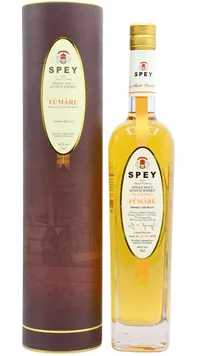
46.0% ABV · 70cl
from £49.95 shelf price from £55.90 delivered to a UK mainland address 2 retailers
£55.90 delivered
£49.95 shelf price
Price gap up to £4.95
Delivered price gap up to £3.95
Compare prices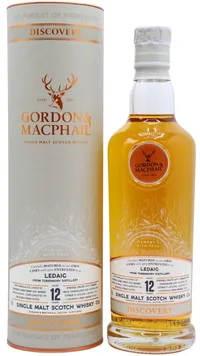
12 years · 43.0% ABV · 70cl
from £49.95 shelf price from £54.94 delivered to a UK mainland address 3 retailers
£54.94 delivered
£49.95 shelf price
Delivered price gap up to £0.96
Compare prices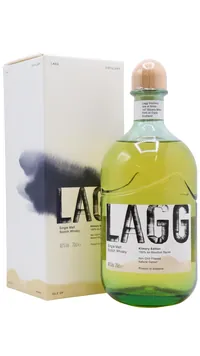
46.0% ABV · 70cl
from £48.90 shelf price from £53.40 delivered to a UK mainland address 4 retailers
£53.40 delivered
£48.90 shelf price
Price gap up to £8.10
Delivered price gap up to £8.59
Compare prices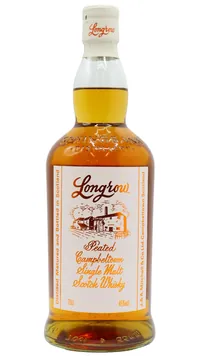
46.0% ABV · 70cl
from £49.95 shelf price from £55.90 delivered to a UK mainland address 3 retailers
£55.90 delivered
£49.95 shelf price
Price gap up to £3.05
Delivered price gap up to £2.09
Compare prices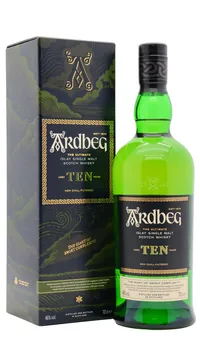
10 years · 46.0% ABV · 70cl
from £39.95 shelf price from £45.47 delivered to a UK mainland address 5 retailers
£45.47 delivered
£39.95 shelf price
Price gap up to £7.55
Delivered price gap up to £6.53
Compare prices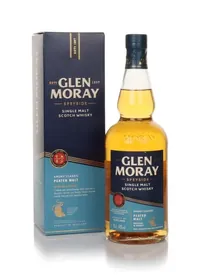
40.0% ABV · 70cl
from £26.04 shelf price from £30.99 delivered to a UK mainland address 1 retailer
£30.99 delivered
£26.04 shelf price
Compare prices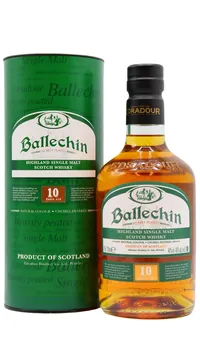
10 years · 46.0% ABV · 70cl
from £44.95 shelf price from £50.90 delivered to a UK mainland address 1 retailer
£50.90 delivered
£44.95 shelf price
Compare prices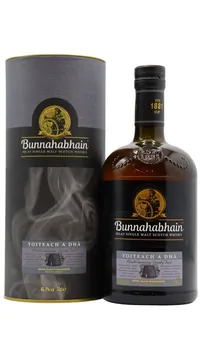
46.3% ABV · 70cl
from £44.95 shelf price from £50.90 delivered to a UK mainland address 3 retailers
£50.90 delivered
£44.95 shelf price
Price gap up to £1.05
Delivered price gap up to £0.09
Compare prices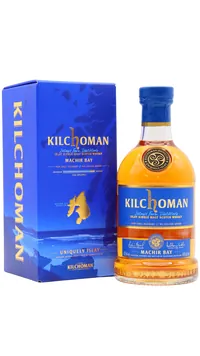
46.0% ABV · 70cl
from £44.25 shelf price from £49.20 delivered to a UK mainland address 4 retailers
£49.20 delivered
£44.25 shelf price
Price gap up to £9.75
Delivered price gap up to £9.79
Compare prices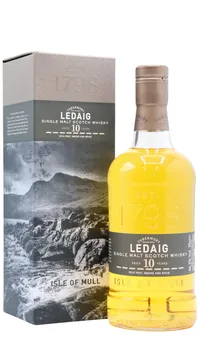
10 years · 46.3% ABV · 70cl
from £32.50 shelf price from £37.45 delivered to a UK mainland address 5 retailers
£37.45 delivered
£32.50 shelf price
Price gap up to £15.45
Delivered price gap up to £16.45
Compare prices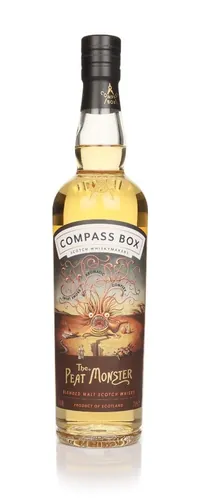
46.0% ABV · 70cl
Blended malt · Peated
from £46.12 shelf price from £51.07 delivered to a UK mainland address 1 retailer
£51.07 delivered
£46.12 shelf price
Compare prices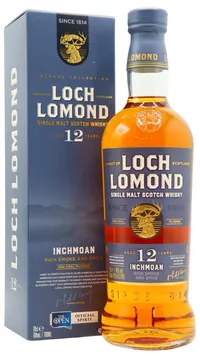
12 years · 46.0% ABV · 70cl
Inchmoan · Peated
from £39.50 shelf price from £44.45 delivered to a UK mainland address 4 retailers
£44.45 delivered
£39.50 shelf price
Price gap up to £5.45
Delivered price gap up to £6.45
Compare prices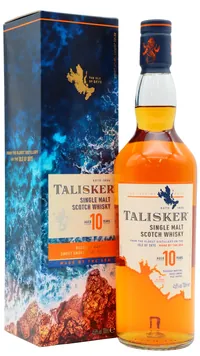
10 years · 45.8% ABV · 70cl
from £42.45 shelf price from £48.40 delivered to a UK mainland address 5 retailers
£48.40 delivered
£42.45 shelf price
Price gap up to £9.50
Delivered price gap up to £8.50
Compare prices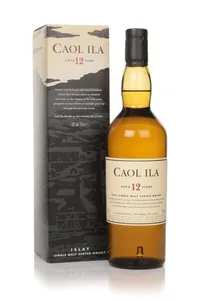
12 years · 43.0% ABV · 70cl
from £48.50 shelf price from £53.45 delivered to a UK mainland address 1 retailer
£53.45 delivered
£48.50 shelf price
Compare prices
12 years · 40.0% ABV · 70cl
from £38.50 shelf price from £43.45 delivered to a UK mainland address 3 retailers
£43.45 delivered
£38.50 shelf price
Price gap up to £2.50
Delivered price gap up to £2.54
Compare prices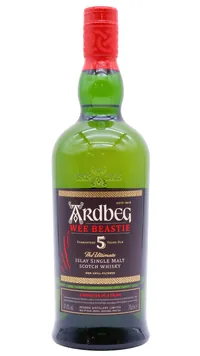
5 years · 47.4% ABV · 70cl
from £32.95 shelf price from £37.90 delivered to a UK mainland address 4 retailers
£37.90 delivered
£32.95 shelf price
Price gap up to £2.00
Delivered price gap up to £3.00
Compare prices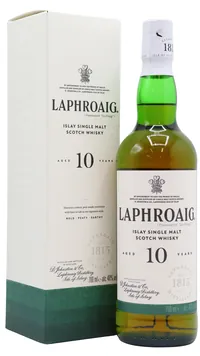
10 years · 40.0% ABV · 70cl
from £32.00 shelf price from £36.95 delivered to a UK mainland address 3 retailers
£36.95 delivered
£32.00 shelf price
Price gap up to £10.90
Delivered price gap up to £10.95
Compare prices
46.0% ABV · 70cl
from £36.00 shelf price from £40.99 delivered to a UK mainland address 2 retailers
£40.99 delivered
£36.00 shelf price
Compare prices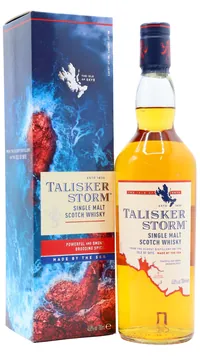
45.8% ABV · 70cl
from £45.95 shelf price from £50.90 delivered to a UK mainland address 5 retailers
£50.90 delivered
£45.95 shelf price
Price gap up to £15.00
Delivered price gap up to £15.00
Compare prices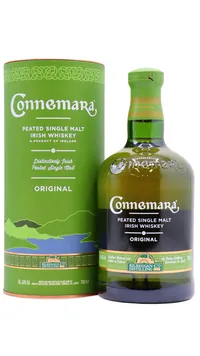
40.0% ABV · 70cl
from £33.45 shelf price from £38.40 delivered to a UK mainland address 2 retailers
£38.40 delivered
£33.45 shelf price
Price gap up to £6.50
Delivered price gap up to £7.50
Compare prices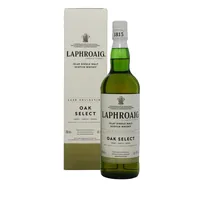
40.0% ABV · 70cl
from £28.50 shelf price from £33.45 delivered to a UK mainland address 3 retailers
£33.45 delivered
£28.50 shelf price
Price gap up to £9.68
Delivered price gap up to £10.72
Compare prices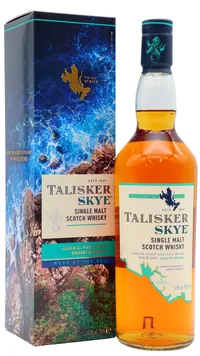
45.8% ABV · 70cl
from £33.95 shelf price from £38.90 delivered to a UK mainland address 5 retailers
£38.90 delivered
£33.95 shelf price
Price gap up to £21.00
Delivered price gap up to £21.00
Compare prices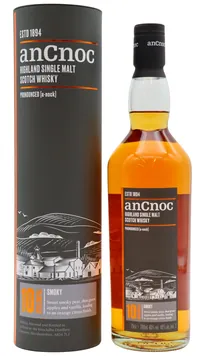
10 years · 40.0% ABV · 70cl
from £44.00 shelf price from £48.95 delivered to a UK mainland address 4 retailers
£48.95 delivered
£44.00 shelf price
Price gap up to £9.95
Delivered price gap up to £10.95
Compare prices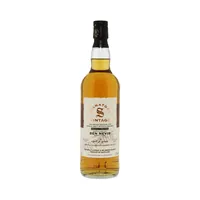
7 years · 57.1% ABV · 70cl
from £48.95 shelf price from £53.45 delivered to a UK mainland address 4 retailers
£53.45 delivered
£48.95 shelf price
Price gap up to £0.05
Delivered price gap up to £0.54
Compare prices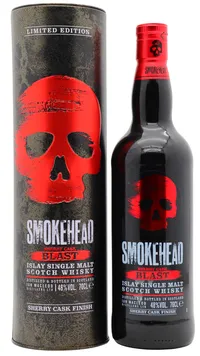
48.0% ABV · 70cl
from £44.00 shelf price from £48.99 delivered to a UK mainland address 3 retailers
£48.99 delivered
£44.00 shelf price
Price gap up to £0.95
Delivered price gap up to £1.91
Compare prices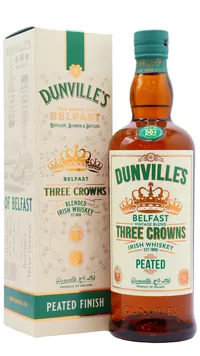
43.5% ABV · 70cl
cask finish · Peated
from £49.95 shelf price from £54.99 delivered to a UK mainland address 3 retailers
£54.99 delivered
£49.95 shelf price
Price gap up to £0.05
Delivered price gap up to £0.91
Compare prices