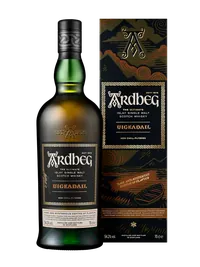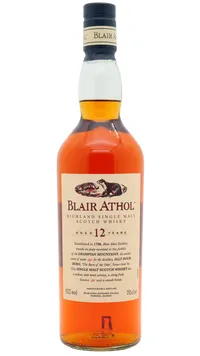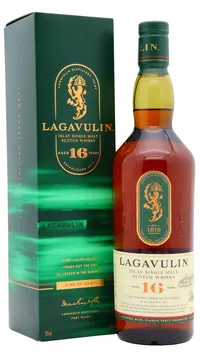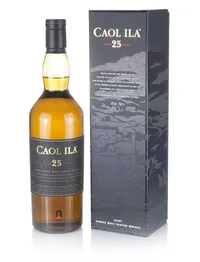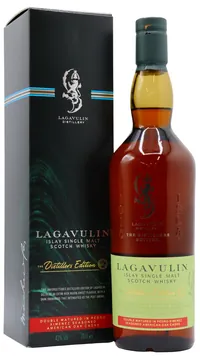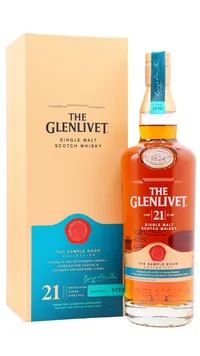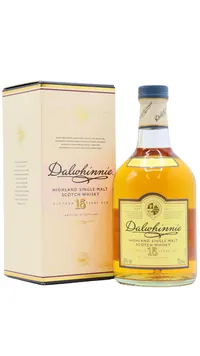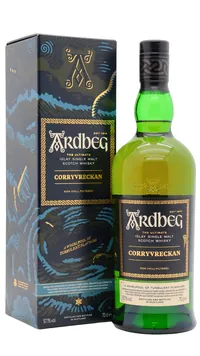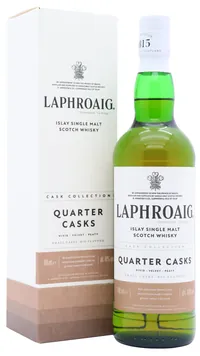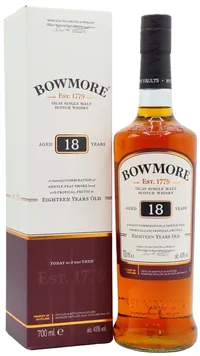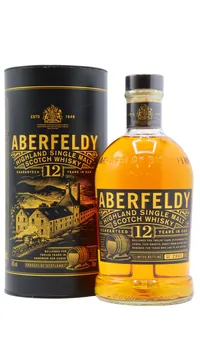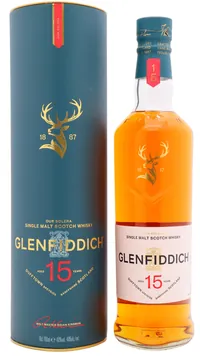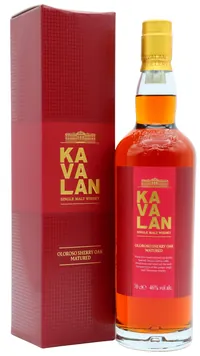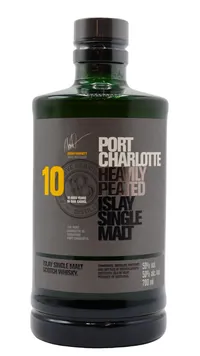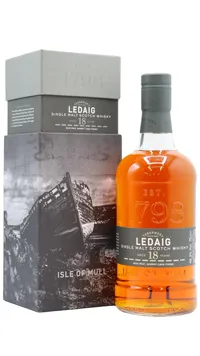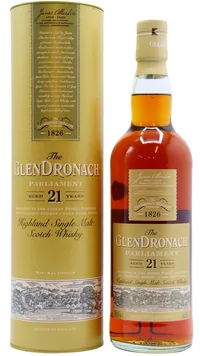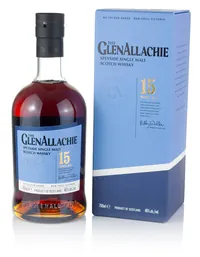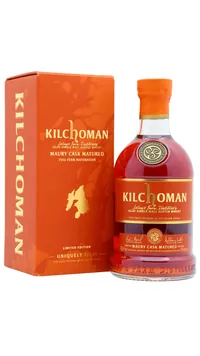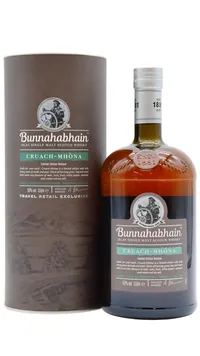
Single malt whisky

Single malt whisky is made at one distillery from malted barley alone. For single malt Scotch, the law also requires pot stills and at least three years in oak casks in Scotland. “Single” refers to the distillery, not the cask: most single malts are a mix of many casks from the same place. For bottles drawn from just one, see single cask whisky. For pot still science, legal rules and the five types of Scotch, see our guide to single malt Scotch.

Read moreShow less

Most of the single malts here are Scotch, but the list also includes single malts from Ireland, Japan, England, Wales, India, Taiwan and the USA. To narrow it down, start with a region, a cask type or peated whisky, or see best single malt whisky for picks grouped by cask.

Prices are the best current in-stock offer from the UK retailers we check.
2093 bottles in stock, plus 44 under 50cl.
Questions

What is the cheapest single malt whisky?

The cheapest single malt whisky is Old Pulteney Harbour (40% ABV, 70cl), at £22.87 from Master of Malt. That is £27.82 delivered to the UK mainland for one bottle. Next cheapest: Glen Moray Elgin Classic Single Malt Whisky (£23.99) and Glenmorangie X (£24.95).

How much does single malt whisky cost?

Single malt whisky costs from £22.87 to £24,500.00, with a median of £99.99 for a full-size bottle (50cl to 1 litre). The dearest is Glen Grant 1948 (cask 1365) King Charles III Coronation Release Single Malt Whisky.

What is the oldest single malt whisky you can buy?

What makes a whisky a single malt Scotch?

Under the Scotch Whisky Regulations 2009, a Single Malt Scotch Whisky must be distilled at a single distillery, from only water and malted barley, in pot stills. Like all Scotch, it must then be matured in Scotland in oak casks of no more than 700 litres for at least three years, and bottled at 40% ABV or more.

Does the 'single' in single malt mean the whisky comes from one cask?

No. “Single” means one distillery, not one cask. A standard single malt is usually a vatting of many casks from that distillery, mixed to give a consistent house style; whisky from just one cask is sold as a single cask bottling.

Is American single malt whisky made to the same rules as single malt Scotch?

Not quite. The US standard requires 100% malted barley, distilled at one US distillery at no more than 160 proof (80% ABV) and stored in the US in oak barrels of up to 700 litres, but it sets no pot still requirement and no minimum age unless the label says “straight” (at least 2 years). Caramel colouring is allowed only if it is disclosed on the label.

What does the age on a whisky label mean?

It is the age of the youngest whisky in the bottle. Labelling regulations tie an age statement strictly to the youngest component, so a 12-year-old can contain older whisky but nothing younger than 12 years.

How is single malt whisky made?

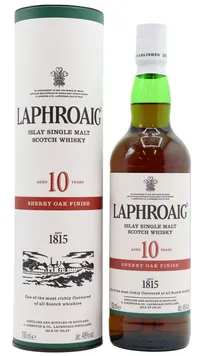
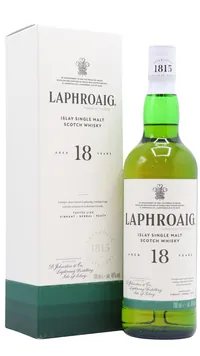
In five stages at one distillery: malting, mashing, fermentation, distillation and maturation. At Laphroaig the barley is soaked for two days, turned on malting floors while it germinates, then smoked and dried over a peat fire in the kiln. The malt is milled into grist and mashed with hot water to draw off a sugary liquid called wort, which yeast ferments. Single malt Scotch must be made from malted barley alone and distilled in pot stills. Laphroaig distils twice: its wash stills make low wines of about 35% ABV, and only the middle cut of the spirit still’s run is kept. Auchentoshan distils three times, taking its wash from about 8% to 81% ABV. The spirit is reduced with water, filled into oak casks of no more than 700 litres and matured in Scotland for at least three years. The whisky production course covers each stage.

What is the difference between malt whisky and single malt whisky?

Malt whisky is any whisky made only from malted barley; single malt is malt whisky from one distillery. Under the Scotch Whisky Regulations 2009, malt Scotch is sold in two categories. Single Malt Scotch Whisky is distilled at a single distillery in pot stills. Blended Malt Scotch Whisky is a mix of single malts from two or more distilleries, such as Monkey Shoulder or Douglas Laing’s Big Peat. The same regulations require the category name on the label and ban the phrase “pure malt” on Scotch, which is why older names such as Cardhu Pure Malt have gone. A blended Scotch, by contrast, adds grain whisky to the malt. So a bottle that says “single malt” names one distillery’s whisky, while “malt” on its own tells you the grain but not how many distilleries made it.